Collins Dictionary Names 'Mogging' as 2026 Word of the Year
Collins Dictionary announced on Friday that internet slang sensation "mogging"—the viral social media term describing the act of completely outshining or dominating others in physical appearance, status, or confidence—has been officially crowned the 2026 Word of the Year.
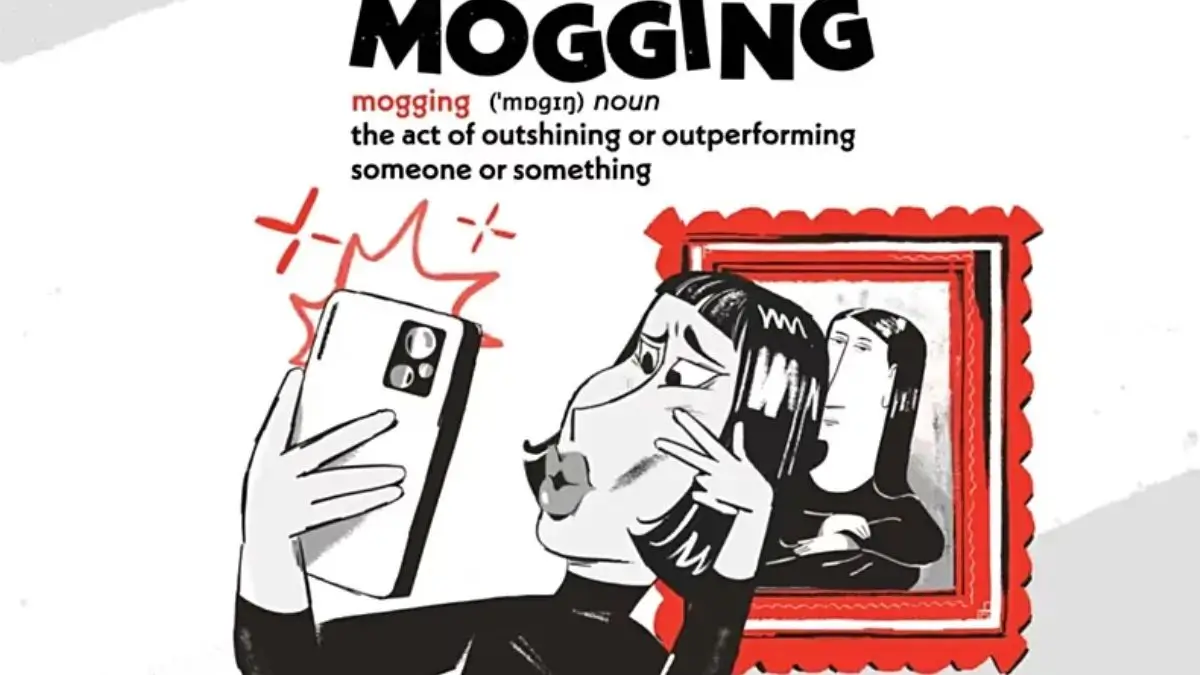
- Collins Dictionary selects "mogging" as official 2026 Word of the Year following a 450% surge in global usage.
- Term defines dominating or outshining others in appearance, confidence, or social media status.
- Shortlist features "agentic", "brainrot", and "delulu", highlighting the profound cultural influence of digital media.
LONDON & GLASGOW — In a cultural milestone that highlights the relentless velocity with which digital youth slang migrates from niche online gaming subcultures into mainstream global vernacular, Collins Dictionary officially declared Friday morning that "mogging" has been selected as its Word of the Year for 2026. The term, which originated within online aesthetic fitness and social comparison forums before exploding across TikTok, Instagram, and college campuses worldwide, experienced an astonishing 450 percent surge in tracked usage over the past twelve months.
Lexicographers at Collins define "mogging" as the act of being significantly more physically attractive, confident, fashionable, or commanding in presence than someone else, to such an extent that the other individual appears completely overshadowed in comparison. Derived from the internet acronym AMOG ("Alpha Male of the Group"), the word evolved into a versatile verb, noun, and adjective ("mogger," "mogged") used both earnestly by wellness and fashion influencers and ironically by digital satirists chronicling workplace dynamics, celebrity red-carpet appearances, and geopolitical press conferences.
Alex Beecroft, managing director of Collins Learning, explained that the selection reflects how hyper-visual social algorithms and short-form video formats have intensified digital culture's fascination with physical presentation, personal branding, and micro-status hierarchies. "Language is a mirror of cultural obsession," Beecroft remarked during the announcement from Glasgow. "'Mogging' encapsulates a hyper-connected, image-conscious generation navigating digital competition with a blend of hyper-earnest self-improvement and self-aware ironic detachment."
The selection ignited lively debates across cultural commentators, sociologists, and linguistic scholars on Friday. While critics argued that the proliferation of aesthetic dominance slang reflects unhealthy social media vanity and visual superficiality among teenagers, cultural theorists noted that the term has largely been embraced with humor and playful hyperbole. The 2026 Collins shortlist also highlighted other major linguistic trends of the year, including "agentic" (referring to autonomous AI software), "brainrot" (the cognitive exhaustion caused by relentless low-quality algorithmic content), and "delulu" (embracing unrealistic optimism as a psychological coping mechanism).
Congressional testimony scheduled for later this month is expected to address cross-agency coordination, focusing specifically on supply chain resiliency, sovereign compute clusters, and long-term capital allocation strategies designed to safeguard domestic competitiveness.