Mayor Zohran Mamdani Signs Landmark Law Ending New York City's 150-Year-Old Central Park Carriage Horse Industry
Resolving one of the most protracted, emotionally charged municipal controversies in modern New York City history, Mayor Zohran Mamdani signed landmark legislation officially mandating the complete phaseout of the historic horse-drawn carriage industry in Central Park by late 2027, pairing animal welfare sanctuaries with guaranteed worker pension transitions.
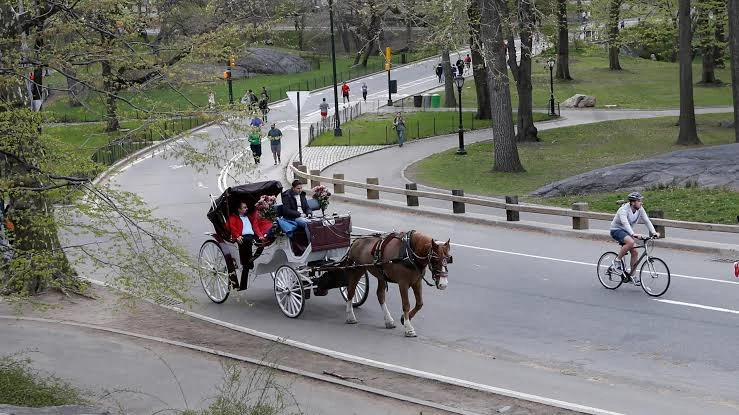
- Mayor Mamdani signs Intro 573-A, mandating the complete retirement and phaseout of commercial carriage horses in Central Park by December 2027.
- Establishment of the $12 million Carriage Workers Transition Fund guarantees union drivers full pension security, job placement, and electric carriage licensing rights.
- All 160 active carriage horses will be placed into permanent, accredited sanctuary retirement facilities overseen by equine veterinary boards.
NEW YORK — In a historic, bittersweet ceremony on the steps of City Hall on Monday afternoon, Mayor Zohran Mamdani signed into law landmark municipal legislation that formally brings an end to New York City's 150-year-old horse-drawn carriage tradition in Central Park.
The signing of Intro 573-A resolves a deeply entrenched, multi-decade battle that has pitted animal welfare organizations and urban progressives against traditional tourism operators, generational carriage drivers, and organized labor. Under the compromise framework established by the bill, all commercial carriage horse operations will cease permanently by December 31, 2027, with the city facilitating the dignified retirement of every registered horse to accredited sanctuaries while providing a comprehensive $12 million worker transition and retraining fund.
For generations of visitors and romantics, the clopping of horse hooves along Central Park South and the winding pathways of the Olmsted-designed park stood as an indelible cinematic symbol of Old New York. Yet, in recent years, the industry was increasingly besieged by public outrage over equine working conditions. High-profile incidents of horses collapsing in heavy traffic along congested Midtown avenues during humid summer heatwaves, paired with persistent concerns over cramped stables in Hell's Kitchen, catalyzed an unstoppable political movement to retire the trade.
"There is profound poetry in New York's history, but true civic progress requires recognizing when an institution forged in the 19th century can no longer coexist with the realities, density, and compassion of the 21st," Mayor Mamdani declared before signing the legislation with dozens of commemorative pens presented to union stewards and animal advocates alike. "Today, we prove that animal welfare and worker dignity are not mutually exclusive. We are retiring our working horses to green pastures where they belong, while ensuring that the men and women who have steered these carriages through heat, rain, and snow receive the union pension security and dignified career pathways they have earned."
The breakthrough that enabled the bill's passage after decades of political gridlock was the establishment of the Carriage Workers Transition and Opportunity Fund. Negotiated extensively with Teamsters Local 553, which represents the city's roughly 130 licensed drivers and stable hands, the program guarantees full buyout allowances for existing hack medallion holders, bridge pension payments for older drivers approaching retirement, and priority commercial licensing for the newly authorized "Historic Electric Carriage" concessions.
Beginning in the spring of 2026, the city will introduce vintage-styled, whisper-quiet electric horseless carriages to operate along the identical Central Park pathways. Existing carriage drivers will receive free operational certifications and preferential concession bidding rights, allowing them to maintain their familiar tourist tour routes without subjecting live animals to urban asphalt, exhaust emissions, and extreme weather.
Union drivers, many of whom trace their familial heritage back to Dublin or Campania, gathered outside City Hall with conflicted emotions. While celebrating the robust economic protections secured in the final compromise, veteran coachmen expressed nostalgia for an intimate way of life that helped define the sensory fabric of Manhattan.
"This was never just a job for us—it was a bond with magnificent animals and a craft passed down from our fathers and grandfathers," said Thomas Higgins, a carriage driver of 34 years who operates carriage No. 42 along the park perimeter. "We fought hard because we loved our horses and we wanted to protect our livelihoods. But the city listened to our needs, they respected our union contracts, and they made sure that no driver will be left out on the street without a pension. When the final shift ends in 2027, we will hold our heads high."
Animal protection organizations, including Voters for Animal Rights and the Humane Society of the United States, hailed the signing as a global milestone for urban animal welfare. Certified equine sanctuaries across Upstate New York, Vermont, and Pennsylvania have already entered into municipal protocols to receive the 160 active carriage horses, guaranteeing that each animal will spend its remaining years in expansive natural pastures free from commercial labor.
Congressional testimony scheduled for later this month is expected to address cross-agency coordination, focusing specifically on supply chain resiliency, sovereign compute clusters, and long-term capital allocation strategies designed to safeguard domestic competitiveness.