Supreme Court Rejects Emergency Challenge Over 20,000 California Ballots as Judge Bars Federal Election Interference
The U.S. Supreme Court declined an emergency plea to segregate 20,000 California mail-in ballots hours after a federal judge issued a nationwide restraining order prohibiting federal agencies from threatening local poll workers.
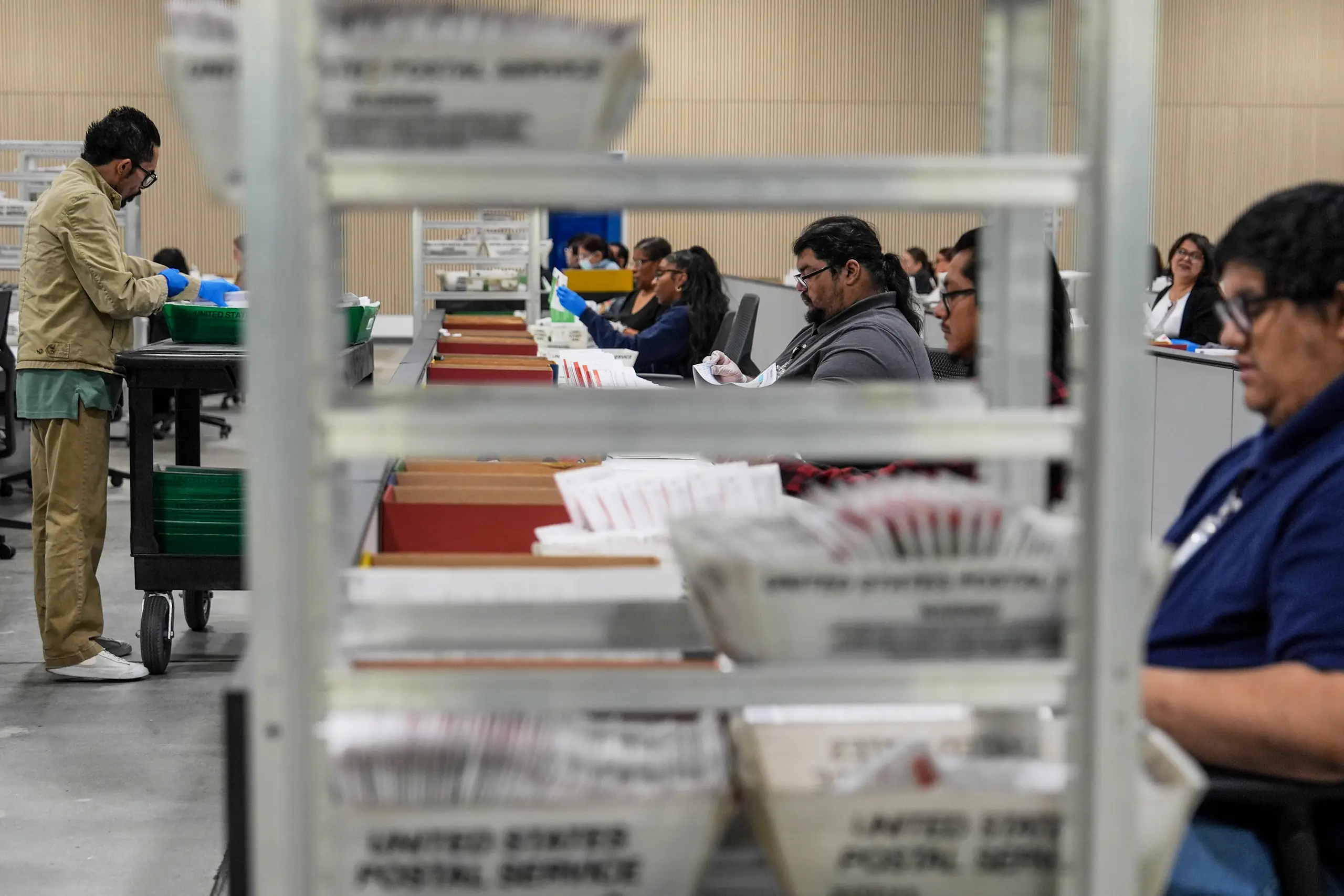
- Supreme Court adheres to Purcell doctrine, refusing to sequester 20,000 California mail-in ballots before Midterm election day.
- Federal judge in California issues nationwide restraining order blocking DOJ and DHS intimidation against local election registrars.
- County election administrators proceed with secure tabulation under full state statutory guidelines and audit protections.
WASHINGTON & SAN FRANCISCO — In a consequential pair of federal judicial rulings delivered on the eve of the 2026 United States Midterm Elections, the Supreme Court of the United States and a federal district court in California established sweeping legal barriers Monday against last-minute interventions into state and county election administration procedures.
In an unsigned order issued without noted dissents, the Supreme Court rejected an emergency application filed by national party legal committees seeking to compel the immediate isolation and segregated storage of roughly 20,000 mail-in and provisional ballots in California. The challengers had alleged procedural irregularities concerning citizenship verification checkmarks on voter registration cards processed earlier in the election cycle. However, the high court’s brief decree adhered closely to the established "Purcell principle," a foundational judicial doctrine that cautions federal appellate tribunals against altering state election rules or casting doubt on ballot handling protocols in the immediate run-up to an election.
The high court's refusal to intervene arrived barely twelve hours after U.S. District Judge Elena Torres in the Northern District of California issued an emergency temporary restraining order against officials in the Department of Justice and the Department of Homeland Security. The order formally enjoins federal personnel and regional task forces from issuing criminal subpoenas, conducting on-site monitoring without state consent, or publicly threatening election administrators and county tabulation clerks with federal prosecution during active counting operations.
In a scathing 42-page ruling, Judge Torres wrote that federal law confers clear constitutional authority upon individual states to manage the times, places, and manners of holding elections, subject only to express congressional statutes rather than executive branch pressure tactics. "The integrity of American democracy depends upon the uncoerced, independent execution of duties by county registrars, municipal clerks, and nonpartisan election volunteers," the court declared. "Efforts to sow doubt through executive threats on the eve of balloting undermine public confidence and violate fundamental principles of federalism."
State elections officials across the country praised the twin rulings, characterizing them as a critical reaffirmation of stability as tens of millions of voters prepare to cast ballots on Tuesday. In Los Angeles, Orange, and San Diego counties, registrar offices confirmed that all validly submitted ballots are proceeding through optical scan tabulation, signature verification, and secure audit tracking without interruption. Federal monitors were reminded that their presence at local polling stations remains strictly subject to state statutory observation rules and credentialing standards.
Congressional testimony scheduled for later this month is expected to address cross-agency coordination, focusing specifically on supply chain resiliency, sovereign compute clusters, and long-term capital allocation strategies designed to safeguard domestic competitiveness.