





Trump Iran Threat Sparks Legal Debate
Broad Threats Against Iran’s Infrastructure
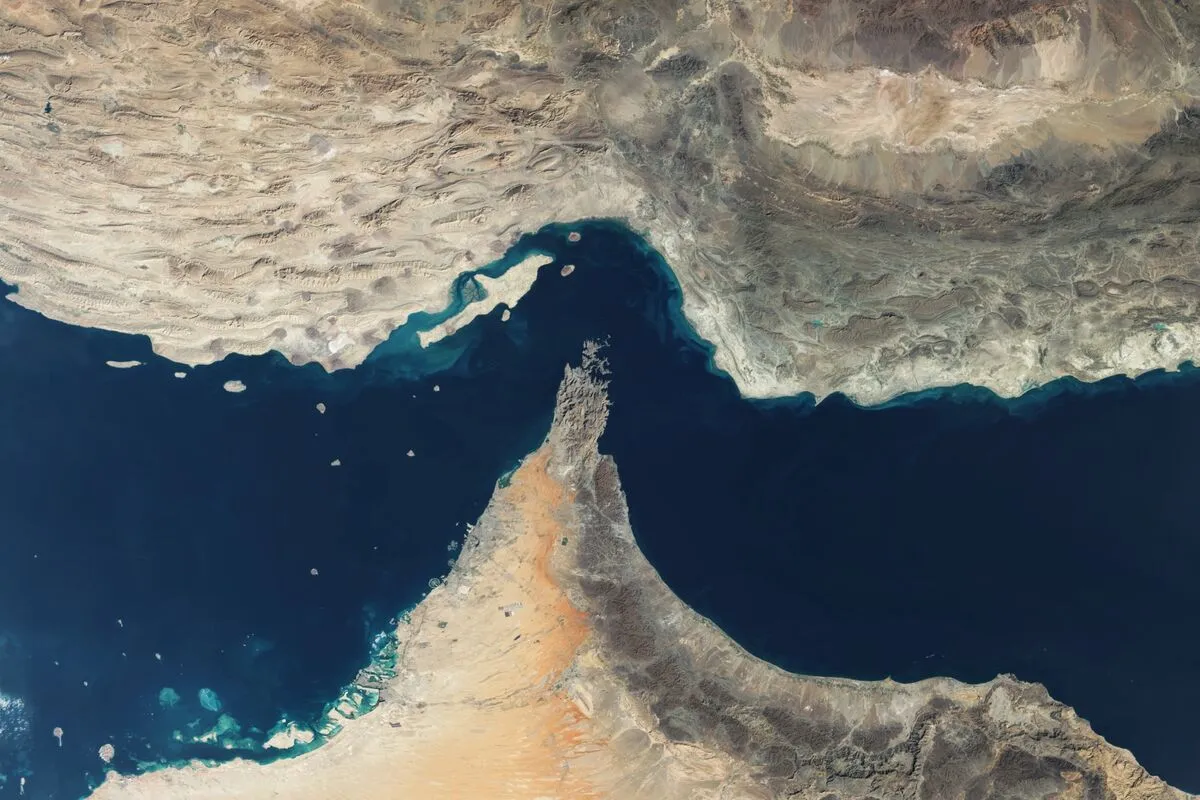
WASHINGTON (AP) — President Donald Trump’s recent warnings about destroying Iran’s bridges and power plants have raised serious concerns among experts in military and international law. The scale of the proposed action has led some to suggest it could amount to a war crime, depending on how such strikes are carried out and whether they meet legal standards regarding military necessity and civilian protection.
Concerns Over Civilian Impact
Critics argue that the sweeping nature of the threat fails to consider the potential harm to civilians. International law requires that even when targeting infrastructure, attacks must avoid excessive civilian casualties. United Nations officials warned that such actions could violate established rules of armed conflict. Experts emphasized that disrupting power supplies could have devastating consequences, particularly for hospitals, water systems, and other essential services.
Rising Geopolitical Tensions
The situation unfolds amid heightened tensions in the region, with disruptions in the Strait of Hormuz affecting global oil markets. Trump reiterated his stance, stating he was unconcerned about accusations of war crimes and warning that Iran’s power infrastructure could be completely destroyed. His remarks have intensified global attention on the potential consequences of further escalation.
Divided Political and Legal Opinions
U.S. political leaders remain divided on the issue. Some Republicans argue the infrastructure could serve military purposes and therefore be legitimate targets, while Democrats contend that deliberately targeting civilian systems would clearly violate international law. Legal analysts note that accountability for such actions is complex and often depends on both domestic political processes and international legal frameworks. Experts also warn that even lawful military actions can have damaging long-term effects, including increased hostility and prolonged conflict.
Related News

Puerto Rico Bribery Case Shakes Government
 Ethan Calloway
March 13, 2026
Ethan Calloway
March 13, 2026
Puerto Rico Bribery Scandal Sparks Crisis
Ethan Calloway
March 11, 2026
Puerto Rico Bribery Probe Intensifies
Ethan Calloway
March 11, 2026
González Nominates Martínez as Housing Chief
Ethan Calloway
April 7, 2026