






Puerto Rico Chamber Urges Legislature to Reform Inventory Tax
Chamber of Commerce Calls for Inventory Tax Elimination
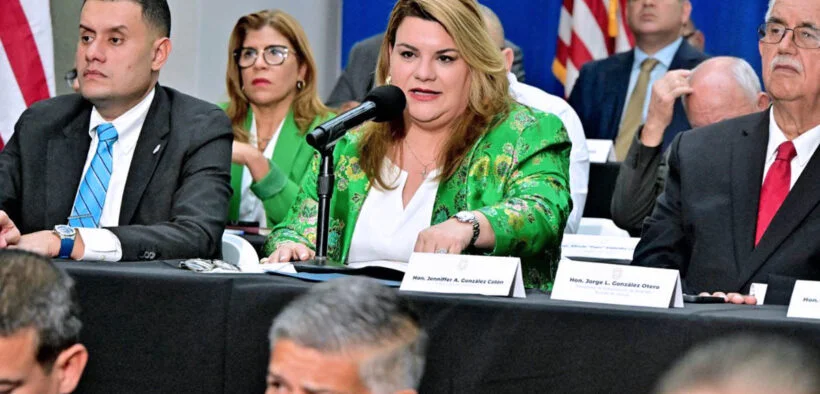
The Puerto Rico Chamber of Commerce has intensified its legislative push to eliminate the island's inventory tax, which business leaders argue unfairly penalises local merchants, forces artificial reductions in product inventory levels, and pushes consumers toward online retailers that do not face the same tax burden. The organisation is calling on the Legislative Assembly to pass meaningful reform during the current session, arguing that the tax creates a structural competitive disadvantage for Puerto Rican businesses that is incompatible with the island's economic development goals.
The Economic Case Against the Inventory Tax
The inventory tax is levied by municipalities on the value of goods that businesses hold in stock. Critics argue that this structure creates multiple perverse incentives: it punishes businesses for maintaining adequate inventory to meet consumer demand; it creates emergency supply vulnerabilities, as was demonstrated during Hurricane Maria in 2017, when businesses with artificially lean inventories struggled to maintain supply of essential goods; and it drives consumers to major online retailers that can offer goods without the tax-embedded cost disadvantage faced by local stores. Chamber President Margaret Ramírez-Báez has warned that "constant increases in basic services have directly affected both businesses and families in Puerto Rico," and that the inventory tax is a structural impediment to the island's economic competitiveness.
Revenue Alternatives and Legislative Path
The inventory tax generates approximately $250 million in annual municipal revenue, making outright elimination politically challenging without credible alternative revenue streams. The Chamber has proposed two primary alternatives: reallocation of funds from the Sales and Use Tax (IVU) collected on online sales, which now generates over $200 million annually and is growing, and restructuring of municipal administrative functions to improve efficiency. Studies commissioned by the Puerto Rico Society of Certified Public Accountants suggest these alternatives could make elimination fiscally viable without imposing revenue shortfalls on municipal governments.
Related News
Puerto Rico Senate Moves to Bolster Debtor Protections
 Isabella Romero
June 4, 2026
Isabella Romero
June 4, 2026
Puerto Rico Transportation Agency Faces Engineer Shortage
Isabella Romero
June 1, 2026

Puerto Rico Housing Crisis Deepens as Home Prices Outpace Incomes
Isabella Romero
May 29, 2026

LUMA to Close Offices in Aibonito, Isabela
Isabella Romero
May 25, 2026