






Puerto Rico Housing Crisis Deepens as Home Prices Outpace Incomes
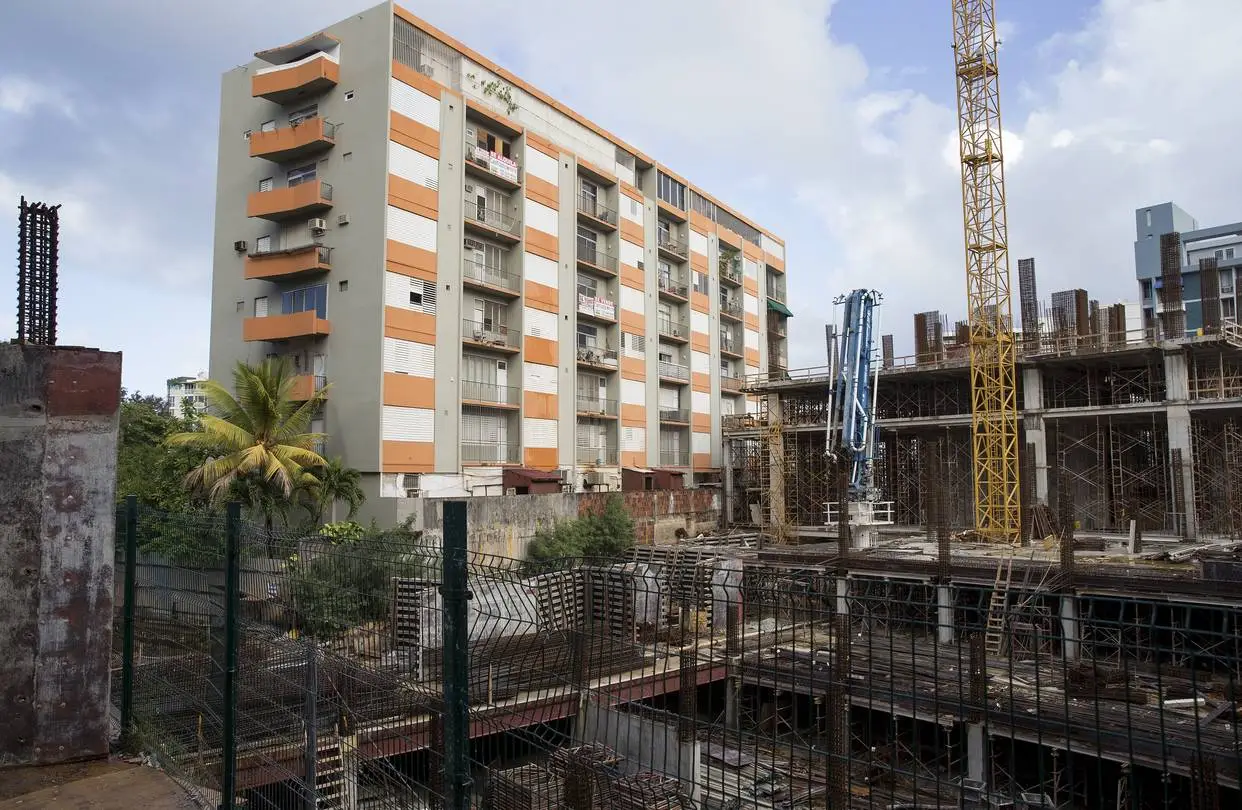
San Juan: Puerto Rico’s housing affordability crisis is worsening as home prices continue to rise faster than household incomes, making homeownership increasingly difficult for many residents.
A recent study found a widening gap between median household income and the earnings required to purchase a home, deepening financial pressures on families seeking to enter the housing market.
According to data cited by local media, the median sale price of homes across Puerto Rico has climbed steadily in recent years while wage growth has failed to keep pace.
Housing experts warned that affordability remains one of the island’s most significant economic challenges, particularly for younger families and first-time homebuyers.
The study found that a substantial portion of the population can no longer qualify for mortgages on newly available homes because property prices have increased beyond what average salaries can support.
Limited housing inventory, rising construction costs, inflation and strong demand in certain areas continue to drive affordability concerns.
Real estate professionals noted that homes are spending less time on the market as buyers compete for limited inventory.
Researchers emphasized that housing affordability is not only an economic issue but also a social challenge that affects community stability and long-term development.
As purchasing a home becomes more difficult, more families are being pushed into the rental market, increasing demand and placing additional pressure on rental prices throughout Puerto Rico.
The report concluded that affordability challenges are affecting a growing segment of the population and require sustained policy attention.
Buying a Home Requires Income Far Above the Median
One of the most significant findings from recent housing studies is the growing mismatch between household earnings and home prices.
Research indicates that purchasing a new home in Puerto Rico now requires income levels nearly three times higher than the island’s median household income.
Analysts noted that mortgage qualification standards, interest rates and rising property values have all contributed to creating barriers for average-income families.
Even households with stable employment are increasingly finding themselves priced out of the housing market.
The affordability gap has widened considerably in recent years as housing costs have increased much faster than wages.
Many prospective buyers are delaying home purchases and remaining in rental properties longer while others rely on financial assistance from relatives to meet down-payment requirements.
Industry representatives also pointed to the shortage of affordable new housing developments.
Much of the current construction activity targets higher-income buyers, while fewer projects focus on middle-income households.
This imbalance has reduced opportunities for families seeking affordable homeownership.
The studies further found that rising insurance costs, property taxes and financing expenses have increased the overall cost of owning a home.
Housing advocates warned that unless affordable housing production increases, the income-to-home price gap is likely to widen further in the coming years.
Limited Supply Continues Driving Prices Higher
Puerto Rico’s housing market remains characterized by strong demand and limited supply.
Industry experts identified inventory shortages as one of the primary factors contributing to rising home prices across the island.
Available housing stock has not kept pace with demand from local buyers, investors and returning residents.
The shortage of homes for sale has intensified competition among buyers, pushing prices higher and reducing affordability.
In several municipalities, prospective homeowners face bidding competition and fewer affordable options than in previous years.
Although construction activity has increased in some areas, developers continue facing challenges associated with labor shortages, higher material costs and regulatory requirements.
These factors increase development expenses and are often passed on to buyers through higher home prices.
The housing shortage has also contributed to rising land values and increased demand for existing homes.
Properties in desirable locations often attract significant interest shortly after being listed, creating additional challenges for first-time buyers.
Researchers stressed that expanding housing supply remains one of the most effective long-term solutions to affordability issues.
Increasing the construction of affordable and workforce housing could help ease market pressures while expanding ownership opportunities.
However, experts cautioned that meaningful progress will likely require coordinated efforts among government agencies, developers and financial institutions.
Economic and Social Consequences Continue Growing
The housing affordability crisis is generating broader economic and social consequences across Puerto Rico.
Researchers warned that limited access to homeownership affects wealth creation, financial stability and long-term economic mobility.
Homeownership has traditionally been one of the primary ways families build wealth across generations.
As purchasing a home becomes increasingly difficult, many households are losing access to a key pathway toward financial security.
Economists warned that prolonged affordability challenges could contribute to widening economic inequality.
Housing conditions also influence migration patterns, with some residents seeking more affordable options elsewhere while others delay forming independent households due to financial constraints.
These trends can affect local communities, labor markets and population growth.
Housing advocates noted that affordability issues disproportionately affect younger adults, middle-income families and first-time homebuyers.
As more households remain in rental properties, demand for rentals continues to rise, pushing rents higher and increasing financial strain.
Researchers concluded that addressing Puerto Rico’s housing affordability crisis will require a combination of increased housing production, expanded financing opportunities and policies designed to improve access to homeownership.
While market demand remains strong, current studies indicate that affordability continues to deteriorate for many residents.
Without significant intervention, the gap between housing costs and household incomes may continue widening, making homeownership increasingly difficult for future generations.
Related News

LUMA to Close Offices in Aibonito, Isabela
 Isabella Romero
May 25, 2026
Isabella Romero
May 25, 2026
Puerto Rico Secures $94M for Road Repairs Across 44 Towns
Isabella Romero
April 20, 2026
Puerto Rico Nears Deal on Gasoline Discount for Consumers
Isabella Romero
April 18, 2026
Food Bank of Puerto Rico Gets $20,000 Grant for Operations
 Claire Hudson
April 15, 2026
Claire Hudson
April 15, 2026