





Bad Bunny Super Bowl Show Spotlights Puerto Rico Power Crisis
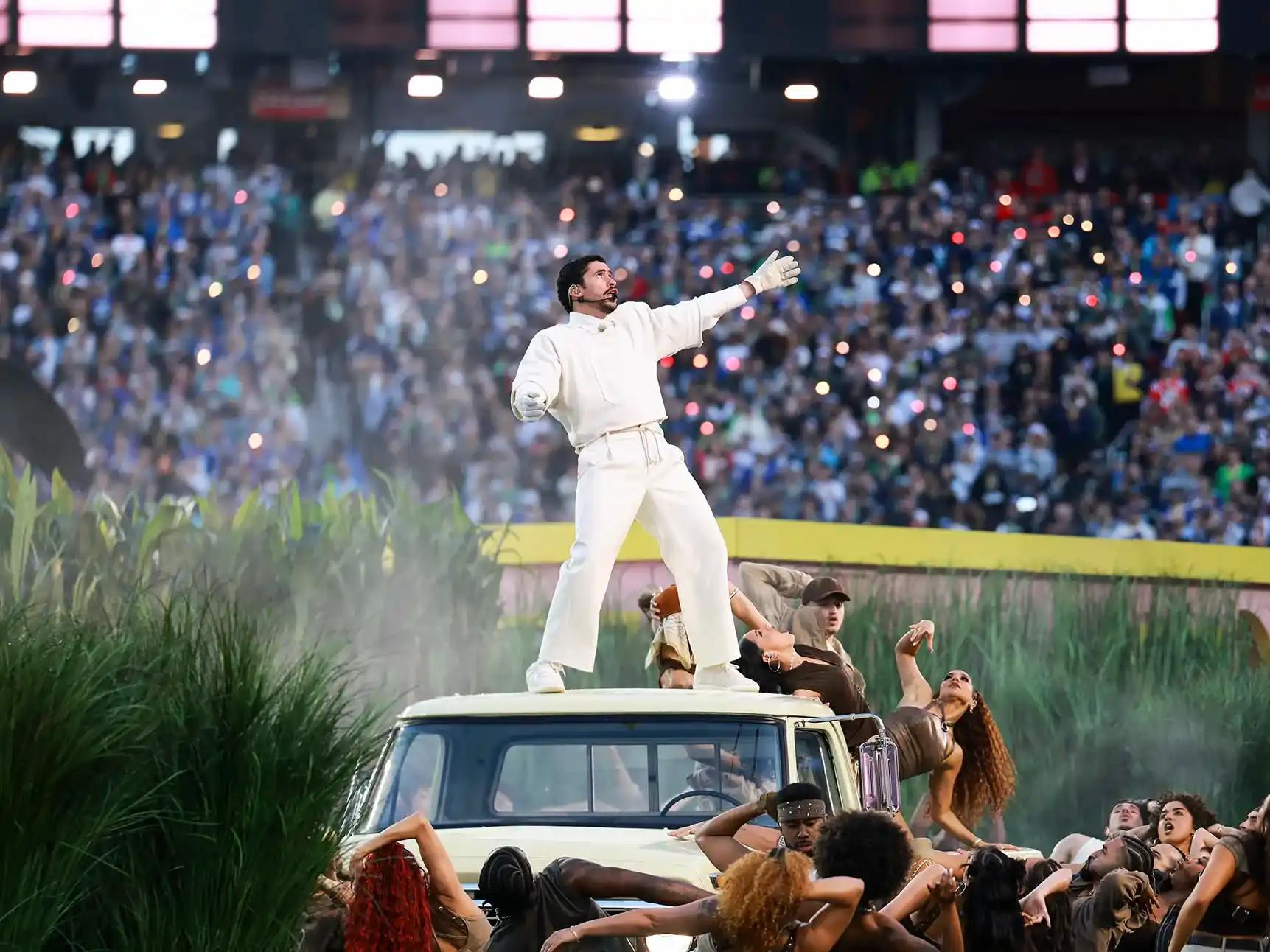
Bad Bunny Uses Super Bowl Stage to Spotlight Puerto Rico's Electricity Crisis
Puerto Rican global superstar Bad Bunny — born Benito Antonio Martínez Ocasio — transformed the Super Bowl LX halftime show on February 8, 2026, at Levi's Stadium in Santa Clara, California, into a powerful political and cultural statement about his homeland's electricity crisis. Performing before an estimated global television audience of over 130 million viewers, he performed "El Apagón" — meaning "The Blackout" — atop elaborate stage structures designed to resemble utility poles, while theatrical sparks and smoke shot upward and the stadium lights flickered dramatically in choreographed synchrony with the song.
What "El Apagón" Represents
"El Apagón" is one of Bad Bunny's most politically resonant songs — a celebration of Puerto Rican women, music, and culture that also addresses the island's chronic blackouts, gentrification, and the displacement of Puerto Rican communities from their own neighbourhoods. The song became an anthem of Puerto Rican pride and resistance following its release, and performing it on the world's largest entertainment stage amplified its message to a global audience at a moment when LUMA Energy's contract was being disputed in court and the Trump administration had just cancelled $815 million in solar funding for the island.
Trump Criticises; Bad Bunny's 2026 Grammy History
President Trump responded by calling the halftime performance "absolutely terrible, one of the worst, EVER!" and stating that "nobody understands a word this guy is saying" — a reaction that only amplified public attention on Puerto Rico's unresolved energy crisis. LUMA Energy issued a statement defending its modernisation work. The Super Bowl performance came weeks after Bad Bunny made history at the 68th Grammy Awards, where he became the first Spanish-language artist ever to win the Grammy for Album of the Year — a milestone celebrated by Puerto Ricans worldwide and widely seen as a long-overdue recognition of Latin music's global cultural significance.
Related News
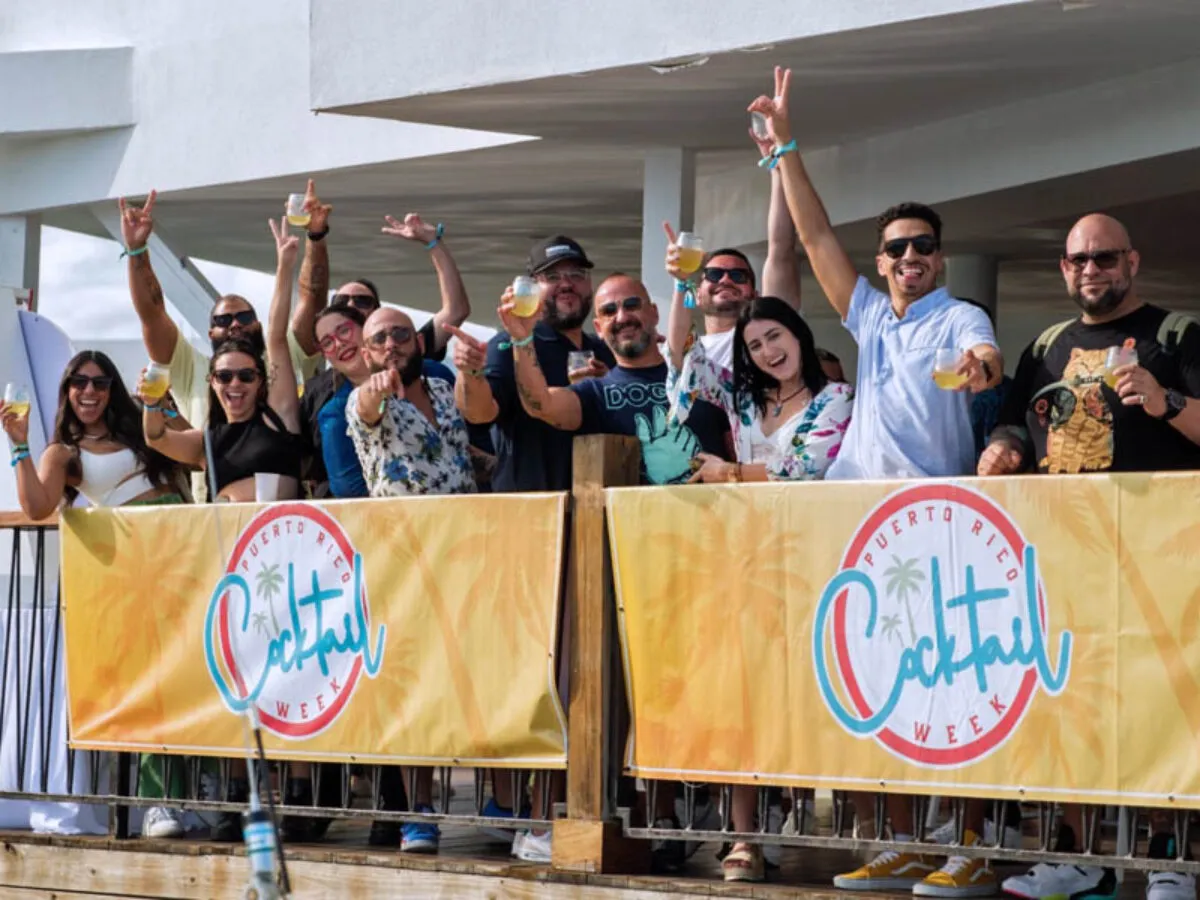
Puerto Rico Cocktail Week Returns in Summer 2026 Celebrating
 Sophia Bennett
February 20, 2026
Sophia Bennett
February 20, 2026
Univision Returns to Puerto Rico TV via WSTE Canal 7
Sophia Bennett
March 19, 2026
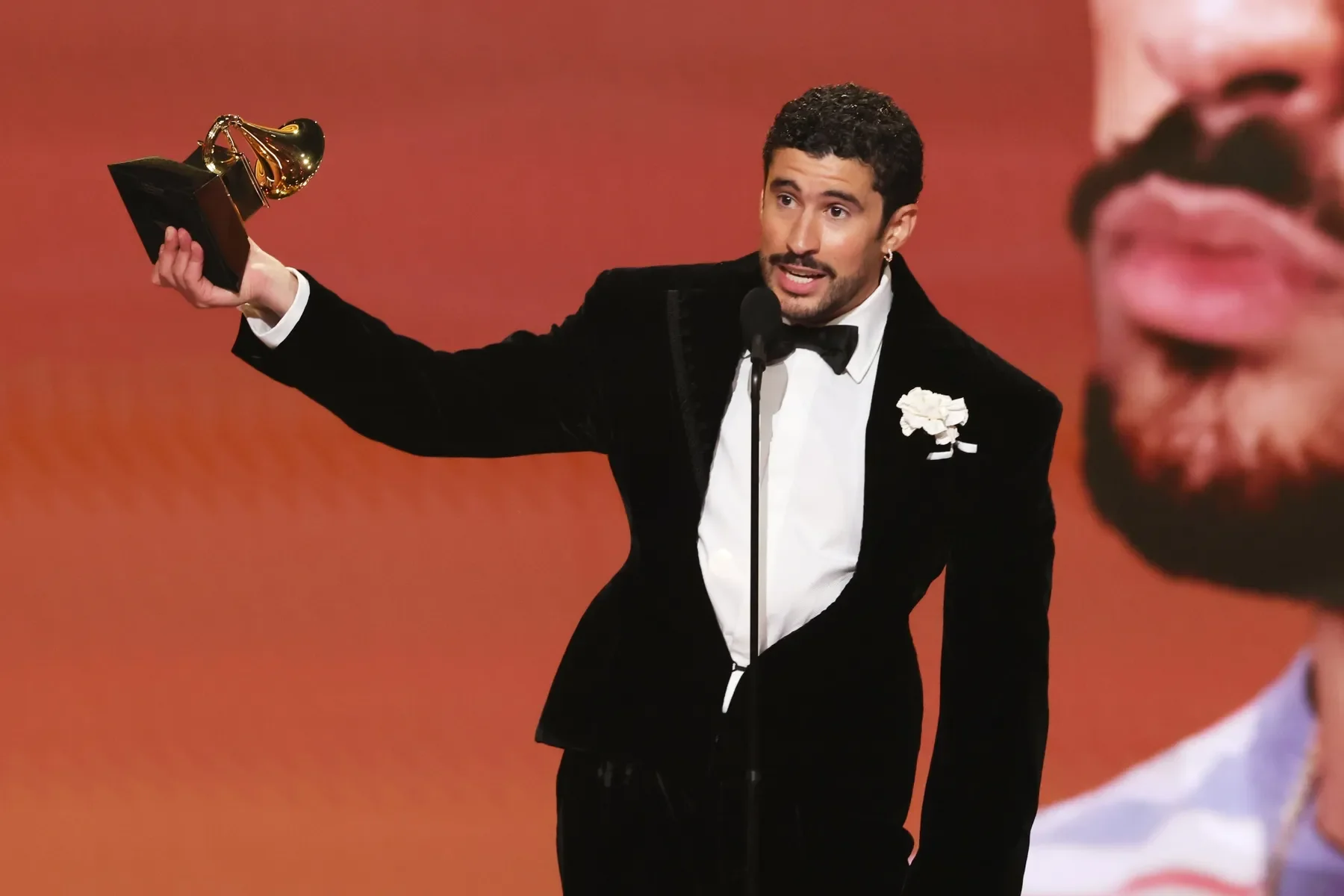
Bad Bunny Makes Grammy History with Album of the Year
Sophia Bennett
February 5, 2026
Puerto Rico Comic Con 2026 Draws Over 50,000 Fans
Sophia Bennett
April 3, 2026