





How Bad Bunny Became a Global Voice of Puerto Rican Resistance
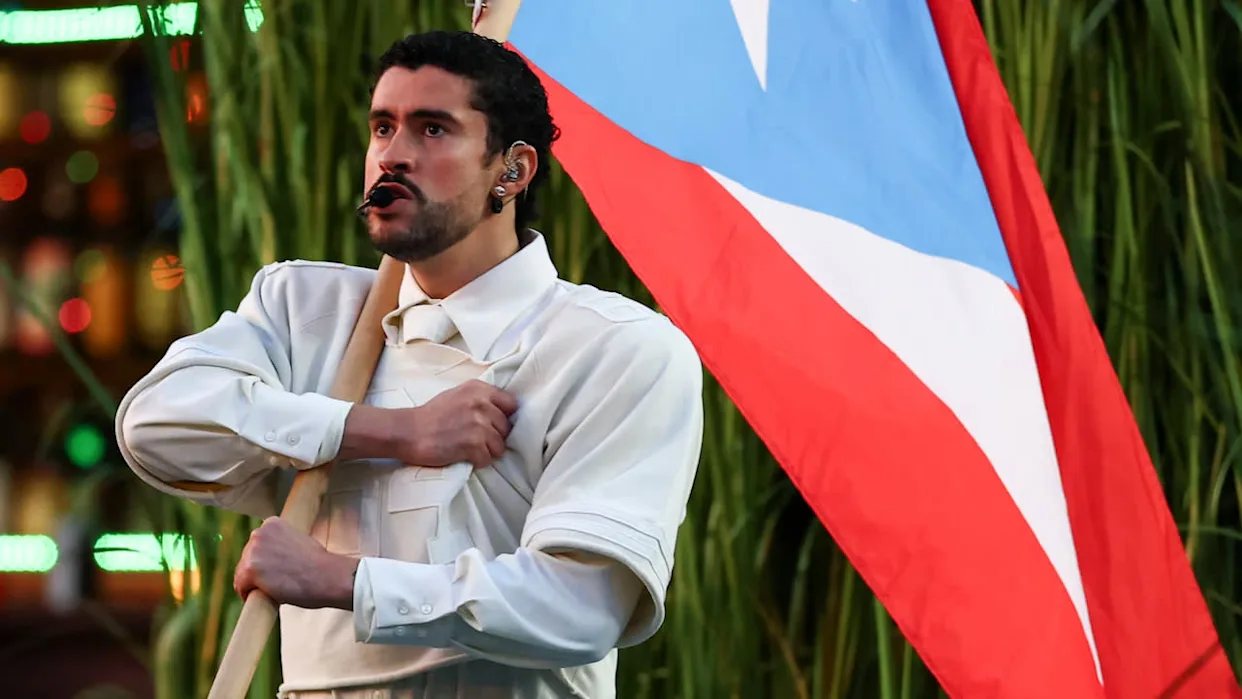
San Juan: Global reggaeton superstar Bad Bunny has evolved beyond music fame to become one of the most recognizable modern voices of Puerto Rican resistance and political identity, according to a new book examining his cultural impact.
The book, P FKN R: How Bad Bunny Became the Global Voice of Puerto Rican Resistance, explores how Benito Antonio Martínez Ocasio has used music, activism, and Puerto Rican identity to connect with social and political struggles on the island.
Written by scholars Vanessa Díaz and Petra Rivera-Rideau, the book argues that Bad Bunny’s rise mirrors Puerto Rico’s ongoing battles with colonialism, economic hardship, political unrest, and cultural resistance.
One of the clearest examples highlighted in the book comes from his 2025 song “La MuDANZA,” where Bad Bunny references the historical persecution of Puerto Ricans who displayed the island’s flag.
“Here they killed people for taking out the flag / that’s why I bring it anywhere I want now,” the lyrics state.
Music as Political Resistance
The authors explain that Puerto Rican music has historically served as a form of protest and resistance, particularly in marginalized and Afro-Puerto Rican communities.
Genres like bomba, plena, salsa, and reggaeton have long reflected the experiences of ordinary Puerto Ricans while also creating spaces for community organizing and political expression.
Rivera-Rideau said Bad Bunny represents the latest chapter in that tradition.
“Puerto Rican music has always been a space of protest,” she explained, adding that many of these genres emerged from Black and working-class communities on the island.
The book dedicates significant attention to Bad Bunny’s 2022 song “El Apagón,” which criticized Puerto Rico’s failing electrical infrastructure, frequent blackouts, and displacement caused by gentrification.
The song later became both a protest anthem and a party track, blending political messaging with dance music.
Producer MAG described it as “the most meaningful song” of his career, noting the unusual achievement of turning a protest message into a global club hit.
Bad Bunny’s Growing Political Influence
Bad Bunny has increasingly tied himself to Puerto Rico’s independence movement and progressive political causes.
During the 2024 Puerto Rican elections, he publicly supported the pro-independence coalition La Alianza and criticized then-candidate Jenniffer González-Colón through campaign lyrics that went viral online.
The book also details how Bad Bunny’s political messaging has alarmed traditional Puerto Rican political parties, particularly because of his influence among younger voters.
Vanessa Díaz said his support for independence is significant in a territory where advocating for independence was once heavily suppressed.
“He’s not the only voice, but he’s a global voice of Puerto Rican resistance,” Díaz explained.
Global Fame and Puerto Rican Identity
Despite becoming one of the world’s most streamed artists, Bad Bunny has continued centering Puerto Rican culture in his music and performances.
His 2024 album DeBÍ TiRAR MáS FOToS celebrated Puerto Rican traditions and identity, while his 2025 Super Bowl halftime performance focused heavily on Puerto Rican culture and Spanish-language music.
That performance sparked backlash among some conservative audiences in the United States, further elevating debates around representation, language, and Latino identity in mainstream entertainment.
The book also explores criticisms directed at Bad Bunny, including debates surrounding gender politics and sexually explicit lyrics in reggaeton.
Rivera-Rideau acknowledged that some criticism is valid but argued that much of his music also centers women’s pleasure and challenges traditional masculinity in Latin music.
“No one is beyond reproach,” she said, adding that Bad Bunny’s work reflects both contradictions and evolving social conversations.
Why the Conversation Matters
The authors argue that Bad Bunny’s influence extends far beyond entertainment because he has helped bring Puerto Rico’s political realities into global pop culture.
Through music, concerts, activism, and public statements, the artist has created a platform where conversations about colonialism, migration, blackouts, corruption, and Puerto Rican identity reach audiences worldwide.
While the authors say Bad Bunny will not “save Puerto Rico,” they believe his art creates space for reflection, criticism, and political awareness among younger generations.
Related News
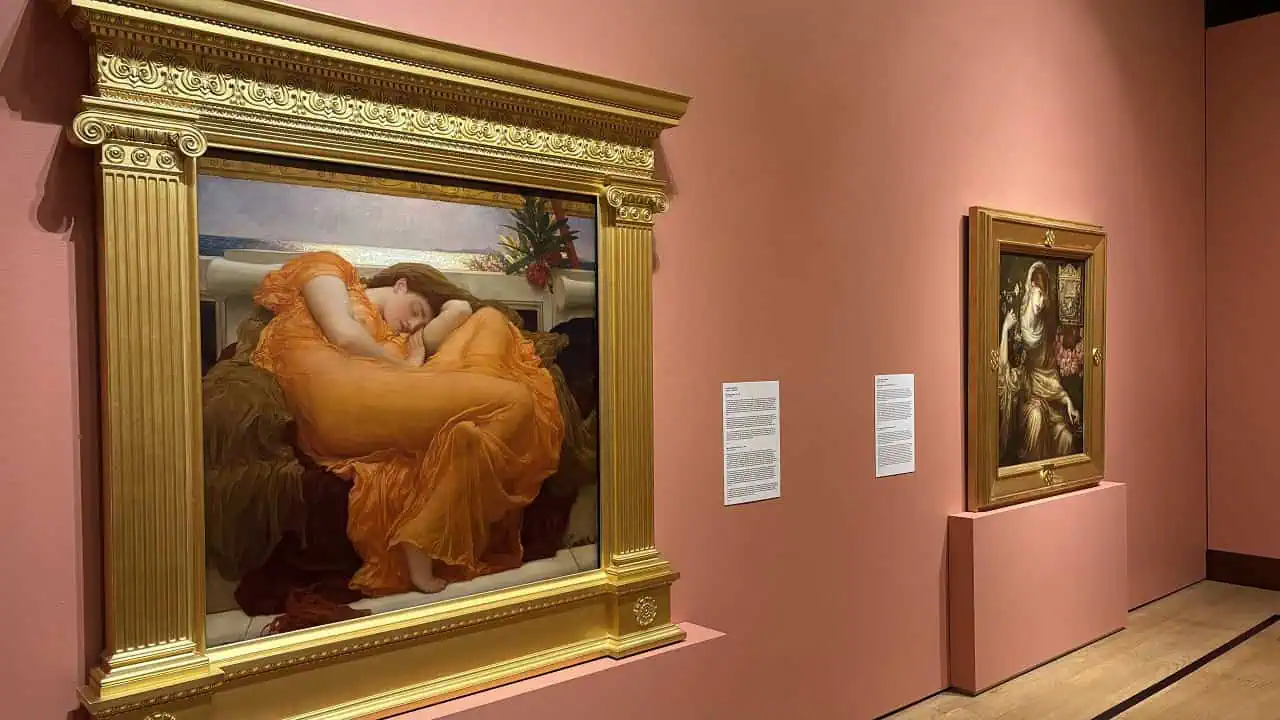
Puerto Rico's Artistry Captivates Oklahoma City
 Sophia Bennett
June 23, 2026
Sophia Bennett
June 23, 2026
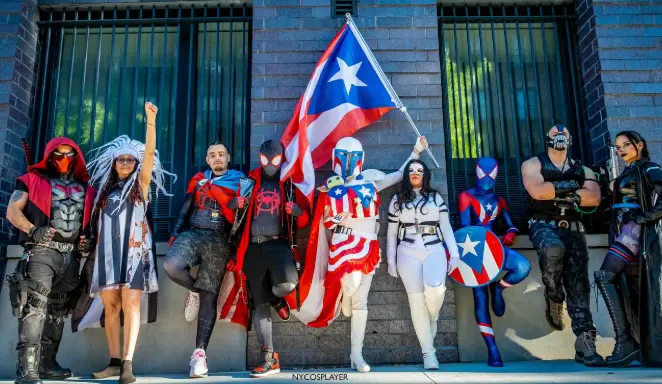
Puerto Rico Comic Con 2026 Draws Over 50,000 Fans
Sophia Bennett
April 3, 2026
Univision Returns to Puerto Rico TV via WSTE Canal 7
Sophia Bennett
March 19, 2026
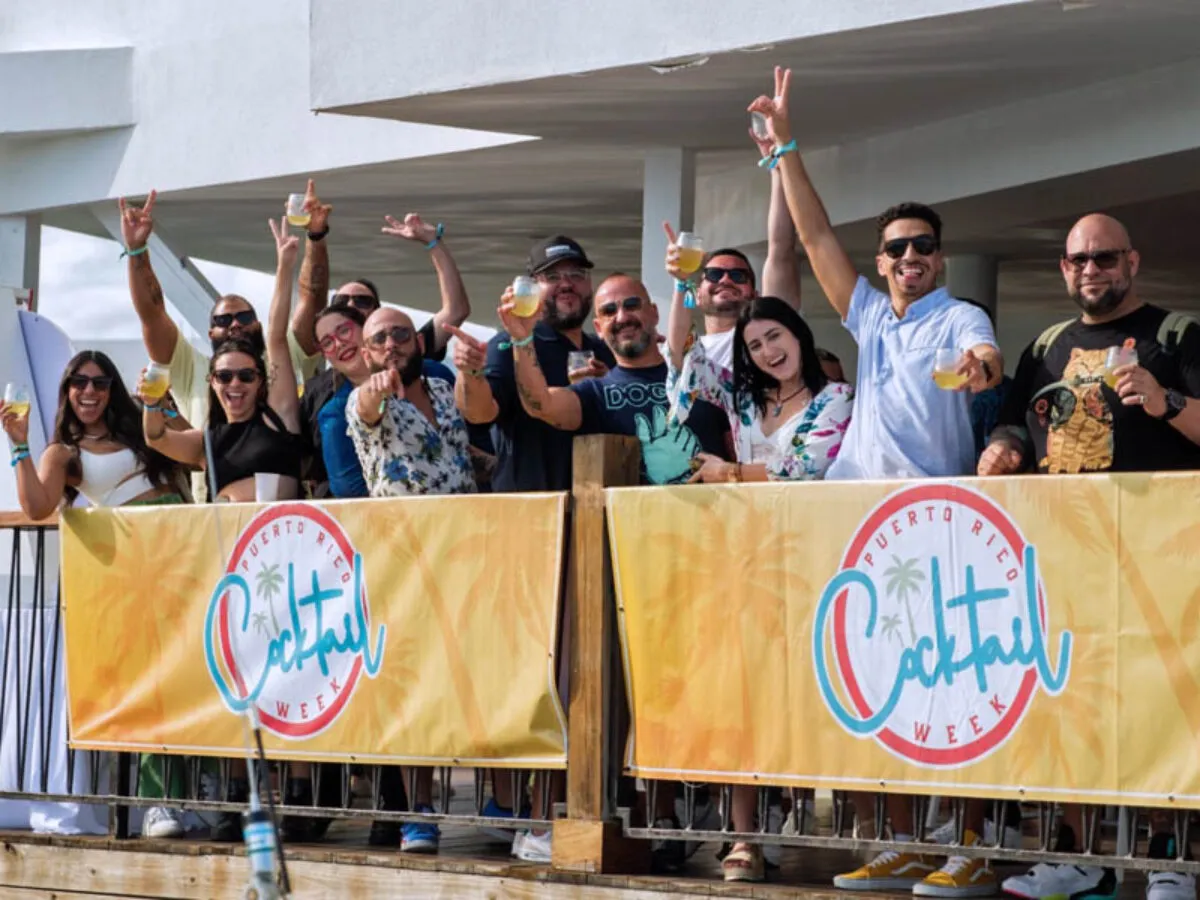
Puerto Rico Cocktail Week Returns in Summer 2026 Celebrating
Sophia Bennett
February 20, 2026