Broken Routes and Stranded Students: Inside New York City's Deepening School Bus Crisis
Three months into the academic year, an exhaustive investigation reveals that hundreds of special-education students remain stranded without reliable bus transportation, triggering intense City Council grilling and audits of billion-dollar private vendor contracts.
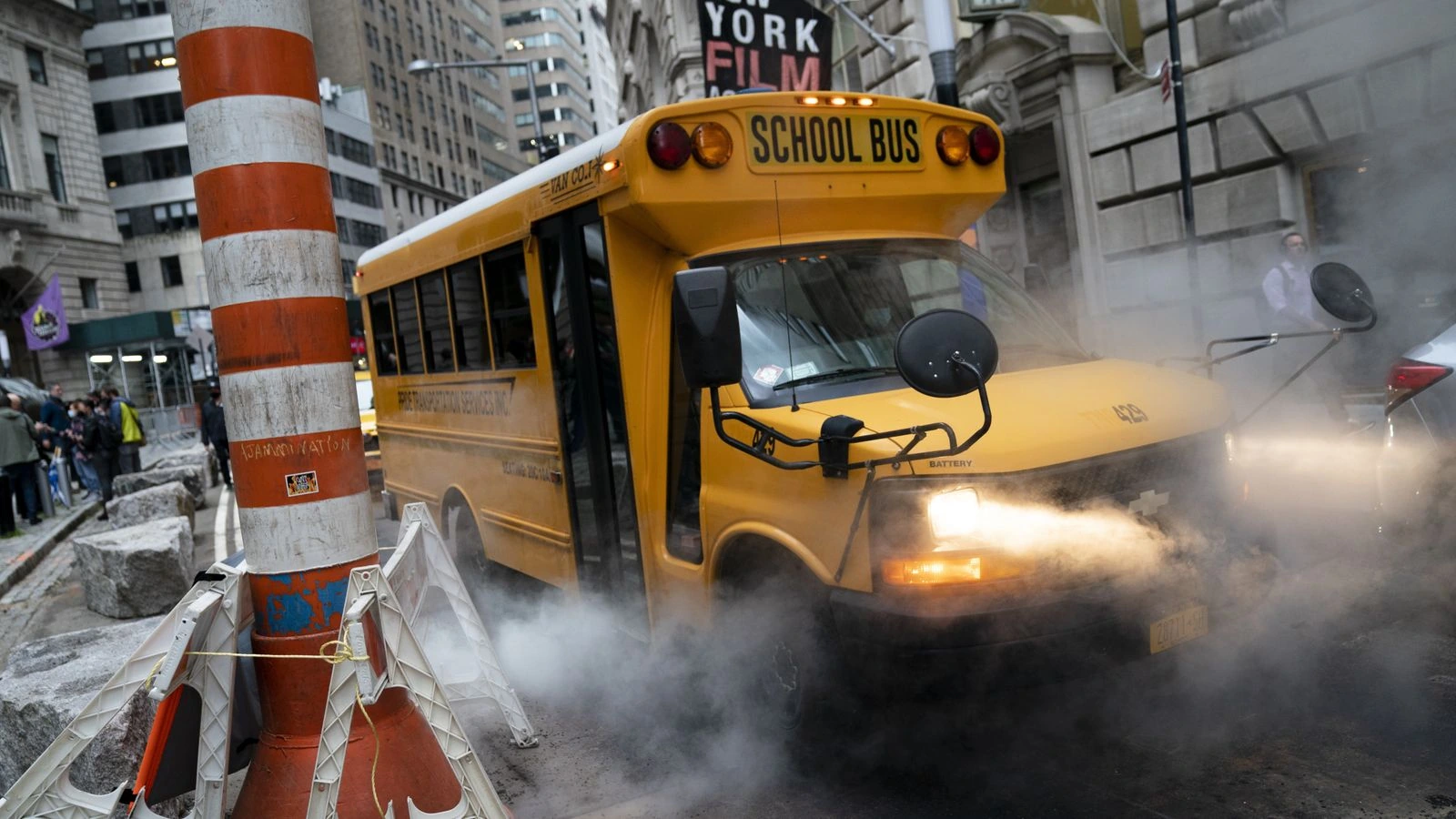
- Over 750 special-education students across Brooklyn, Queens, and the Bronx left without assigned school bus transit.
- City Council Education Committee investigates $1.4 billion in outsourced private vendor transit contracts.
- Department of Education penalizes four major bus consortia for chronic route abandonment and GPS tracking failures.
- Advocates and families file class-action petition alleging systematic violations of federal disability education laws.
NEW YORK — Nearly three months into the school year, thousands of New York City families continue to navigate a daily crisis of municipal logistics, as chronic driver shortages, operational mismanagement, and private contractor defaults have left hundreds of the city's most vulnerable schoolchildren without reliable bus service.
An investigative review of internal Department of Education (DOE) transportation records, GPS tracking logs, and municipal vendor filings conducted by the Newyorkerherald reveals that as of mid-November, more than 750 students with Individualized Education Programs (IEPs)—many requiring specialized wheelchair-accessible vehicles or dedicated paraprofessional escorts—remain without permanent, assigned bus routes. The administrative breakdown has forced working parents across Brooklyn, Queens, and the Bronx to sacrifice employment hours, incur substantial rideshare expenses, or keep their children home from classrooms, depriving students of essential therapies and instructional time.
The issue culminated in a volatile, five-hour public oversight hearing on Tuesday before the City Council's Education Committee, where council members repeatedly pressed DOE officials and representatives from private transportation consortia on the performance of municipal contracts totaling approximately $1.4 billion annually. The city currently contracts with roughly thirty private bus companies operating over 9,000 daily routes to serve approximately 150,000 public and non-public school pupils across the five boroughs.
"What we are witnessing is not a temporary scheduling glitch or seasonal staffing friction; it is a profound institutional failure that violates the federal rights of our children," stated Education Committee Chair Rita Joseph during an impassioned opening interrogation. "We have nonverbal children left waiting at curb corners for buses that never arrive. We have parents losing their jobs because they must spend four hours every day navigating public buses with specialized medical equipment. New York City taxpayers are paying over a billion dollars for a transportation apparatus that repeatedly fails to transport the children who need it most."
Internal audits obtained through open-records disclosures highlight structural vulnerabilities within the city’s privatized vendor framework. Despite substantial contractual performance guarantees, several prominent bus companies operating in Queens and the outer Bronx routinely sub-contracted routes to secondary providers without requisite background verifications, failed to maintain required vehicle communication radios, and allowed vehicle GPS tracking units to remain offline for consecutive weeks, leaving the central dispatch center unable to provide parents with real-time location estimates.
In response to mounting public outrage, the Department of Education announced Tuesday that it has issued formal breach-of-contract warnings to four major bus companies, initiating contractual liquidated damages totaling millions of dollars and demanding that vendors submit immediate operational recovery roadmaps. The administration has also expanded its emergency rideshare reimbursement program, increasing daily transportation vouchers to families up to $200 per day while promising to deploy additional municipal staff to manual route reassignment.
However, advocates for children with disabilities argue that financial reimbursements fail to address the core harm. On Wednesday morning, legal aid organizations and a coalition of affected parents filed a class-action petition in federal district court, alleging that the ongoing failure to provide mandatory transportation violates the federal Individuals with Disabilities Education Act (IDEA). As pressure mounts on City Hall to overhaul its long-term school transit agreements, the crisis has become a potent symbol of municipal service delivery deficits, demanding fundamental structural reform of New York's educational infrastructure.
Congressional testimony scheduled for later this month is expected to address cross-agency coordination, focusing specifically on supply chain resiliency, sovereign compute clusters, and long-term capital allocation strategies designed to safeguard domestic competitiveness.