Section 241 and Executive Order 14438: Why Weaponizing Federal Law Against Oversight Invites a Constitutional Crisis
By threatening lawmakers with a Reconstruction-era civil rights statute and ordering defense contractors to clear subpoena replies through White House Counsel, the executive branch is testing constitutional guardrails that safeguard Article I legislative accountability.
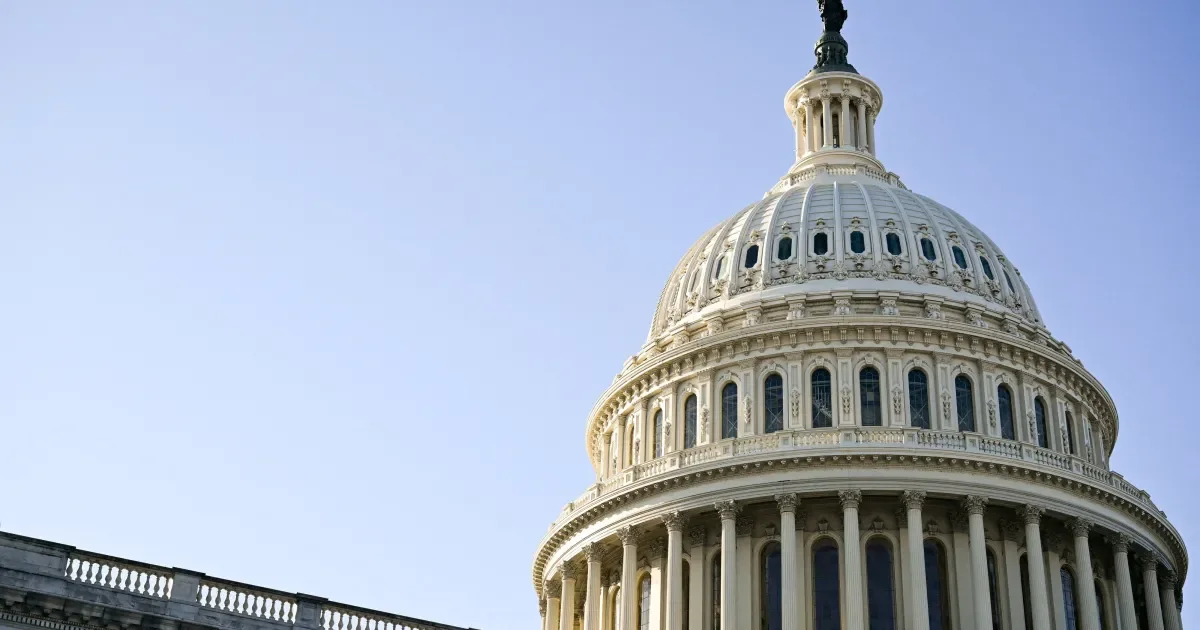
- Invoking 18 U.S.C. Section 241 to intimidate members of Congress conducting committee oversight distorts a landmark Reconstruction-era civil rights statute.
- Executive Order 14438 risks chilling private federal contractors from complying with lawful congressional document requests under threat of contract cancellation.
- Article I legislative oversight is an essential constitutional check regardless of which political party holds the House gavel.
In American constitutional architecture, the power to investigate is inseparable from the power to legislate. Since the earliest years of the republic, Congress has held broad, implied authority under Article I of the Constitution to compel testimony, audit federal spending, and examine potential conflicts of interest among private contractors and senior executive officials. Without that investigative anchor, legislative oversight collapses into polite theater.
Two startling developments in Washington this week threaten to erode that structural check at its foundation. First came the White House’s issuance of Executive Order 14438, requiring private corporations holding federal contracts to route any responses to congressional inquiries through White House Counsel for executive-privilege screening—under explicit threat of contract termination. Second came public warnings from federal prosecutors and administration allies invoking 18 U.S.C. Section 241, a criminal civil rights conspiracy statute, to suggest that incoming Democratic lawmakers who investigate administration allies could face personal criminal jeopardy.
Misusing a Civil Rights Shield as a Partisan Sword
Section 241 was enacted by Congress during Reconstruction as part of the Enforcement Acts of 1870 to prosecute Ku Klux Klan terror campaigns that violently prevented freed Black citizens from voting or exercising basic constitutional liberties. Stretching that statute to threaten elected representatives for issuing committee document requests—even aggressive or fiercely partisan requests—turns both history and the Speech or Debate Clause on their heads.
Article I, Section 6 of the Constitution explicitly guarantees that Senators and Representatives "for any Speech or Debate in either House... shall not be questioned in any other Place." For more than two centuries, the Supreme Court has consistently held that legislative committee investigations, document demands, and hearings fall squarely within that protected sphere of legitimate legislative activity, regardless of whether an administration views an inquiry as politically motivated.
Those who rightly criticized prior overbroad uses of Section 241 in political prosecutions should be the loudest voices rejecting its retaliatory deployment against members of Congress today. Constitutional principles cannot survive as partisan convenience tools; a legal weapon forged against political opponents inevitably returns to injure every branch of government.
Subordinating Private Contractors to White House Gatekeeping
Equally troubling is the precedent embedded in Executive Order 14438. Every year, the federal government disburses hundreds of billions of taxpayer dollars to private defense firms, aerospace suppliers, and venture-backed technology vendors.
When House Judiciary investigators ask a federally funded defense manufacturer or a regulated financial platform for records examining potential political influence or insider communications, those private companies are accountable to the public purse and the legislative branch—not merely to the West Wing. Threatening to cancel a corporation’s federal contracts unless White House lawyers pre-censor what that firm may hand over to Capitol Hill transforms executive privilege from a narrow doctrine protecting sensitive presidential advice into a sweeping corporate gag order.
Oversight Belongs to the Republic, Not One Party
Healthy governance demands restraint on both ends of Pennsylvania Avenue. Congressional majorities of both parties have frequently succumbed to performative hearings, overreaching subpoenas, and theatrical press releases designed more for fundraising clips than legislative reform. When committees cross constitutional boundaries, federal courts possess ample authority to quash overly broad demands and enforce due-process protections.
What cannot be tolerated, however, is an executive doctrine that treats congressional oversight itself as an actionable criminal conspiracy or bans private contractors from answering lawful committee letters. Congress must defend its Article I prerogatives firmly—before divided government devolves into a constitutional crisis with no neutral arbiter left standing.
Congressional testimony scheduled for later this month is expected to address cross-agency coordination, focusing specifically on supply chain resiliency, sovereign compute clusters, and long-term capital allocation strategies designed to safeguard domestic competitiveness.