Federal Judge Blocks Trump Administration and FCC From Retaliatory Action Against ABC Broadcast Licenses
U.S. District Judge Loren AliKhan issued a sweeping preliminary injunction blocking the Trump administration and the Federal Communications Commission from pursuing retaliatory reviews against ABC broadcast licenses over news coverage and late-night comedy.
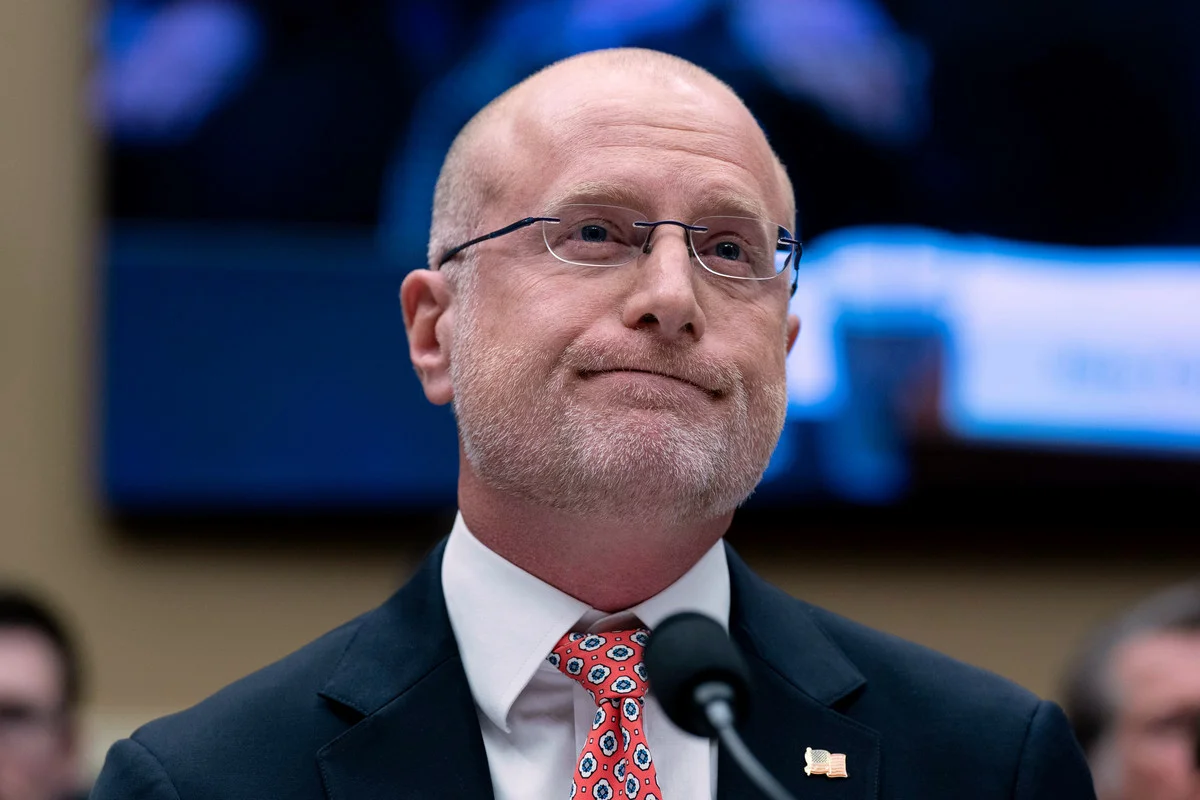
- U.S. District Judge Loren AliKhan granted a preliminary injunction halting FCC early-review proceedings targeting ABC's broadcast licenses.
- The court concluded that threats to revoke local affiliate licenses over late-night host commentary and news coverage constitute unconstitutional viewpoint retaliation.
- The ruling marks a major judicial check on executive efforts to leverage federal telecommunications licensing power against critical television networks.
Handing a stinging First Amendment rebuke to federal regulators on the eve of the Thanksgiving holiday, U.S. District Judge Loren AliKhan issued a sweeping preliminary injunction blocking the Trump administration and the Federal Communications Commission (FCC) from initiating early license reviews or punitive enforcement proceedings against ABC’s broadcast television licenses.
In a sharply worded federal opinion unsealed Wednesday in Washington, Judge AliKhan concluded that the FCC’s unprecedented regulatory maneuvers—triggered following public presidential attacks targeting ABC news reporting and sharp satirical monologues by late-night network hosts—amounted to unlawful government viewpoint retaliation barred squarely by the First Amendment of the U.S. Constitution.
Rejecting Regulatory Weaponization of Public Airwaves
Under the Communications Act of 1934, local broadcast stations operating on public electromagnetic spectrum hold eight-year licenses periodically reviewed by the FCC under a "public interest, convenience, and necessity" standard. Over recent months, FCC leadership aligned with the White House signaled an intent to open accelerated revocation inquiries against ABC-owned affiliates, citing complaints over perceived political bias in evening news broadcasts and late-night comedy segments.
Network attorneys and First Amendment advocacy coalitions swiftly sued in federal district court, arguing that the FCC had inverted narrow technical spectrum rules into an ideological censorship weapon designed to coerce editorial compliance across major broadcast newsrooms.
Judge AliKhan agreed decisively, ruling that ABC and its affiliate stations demonstrated a high likelihood of succeeding on their constitutional claims and faced irreparable harm from regulatory intimidation.
"The First Amendment does not permit federal telecommunications officials to brandish the existential threat of broadcast license revocation to punish editorial criticism, unflattering news coverage, or late-night political satire," Judge AliKhan wrote. "Using administrative licensing authority as a cudgel against disfavored speech strikes at the heart of democratic self-governance."
Broader Showdown Over Executive Power and Media Oversight
The preliminary injunction represents the latest high-profile judicial setback for administration efforts to pressure international and domestic media organizations. Just days earlier, the BBC lodged an urgent appellate motion before the 11th U.S. Circuit Court of Appeals seeking dismissal of President Trump’s $10 billion defamation suit concerning a Panorama documentary broadcast, arguing that political speech and international public-affairs reporting enjoy robust constitutional protections.
Meanwhile, press freedom organizations welcomed Wednesday’s Washington court order as an essential boundary line separating legitimate spectrum engineering oversight from partisan content policing.
"If any White House can instruct FCC commissioners to yank local television licenses whenever a late-night comedian lands an uncomfortable joke or a correspondent asks pointed questions, broadcast journalism in the United States effectively ends," said Elena Morales, senior litigation director at the Reporters Committee for Free Expression. "Judge AliKhan’s injunction reaffirms that regulatory agencies cannot be converted into speech ministries."
FCC Signals Appellate Review
Spokespersons for the FCC and the Justice Department indicated Wednesday afternoon that government lawyers are reviewing the injunction and expect to seek emergency appellate review before the D.C. Circuit.
For major television networks headquartered in New York City—where ABC, CBS, and NBC operate flagship broadcast studios—the ruling delivers vital legal breathing room heading into the 2027 congressional oversight cycle, even as wider legal disputes over executive authority, defamation litigation, and administrative agency independence remain poised to climb toward the U.S. Supreme Court.
Congressional testimony scheduled for later this month is expected to address cross-agency coordination, focusing specifically on supply chain resiliency, sovereign compute clusters, and long-term capital allocation strategies designed to safeguard domestic competitiveness.