





Four Candidates Enter UN Leadership Race
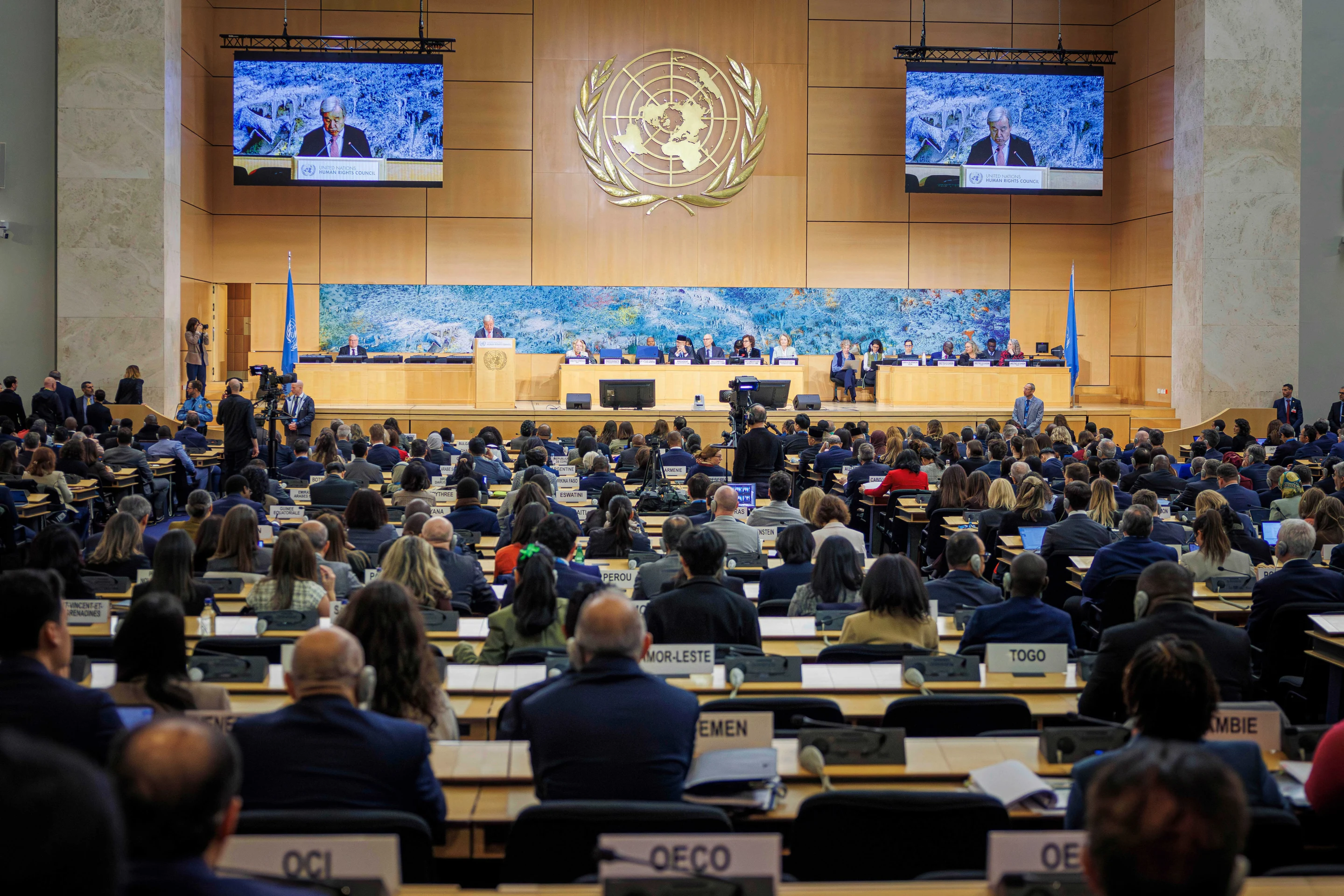
United Nations: The contest to choose the next Secretary-General of the United Nations is underway with only four candidates in the running, marking a significant decline from the crowded field seen in previous years.
The candidates will present their priorities and answer questions from representatives of the UN’s 193 member states during a series of formal sessions this week.
Smaller Field Reflects Global Tensions
The limited number of contenders highlights a shift in the global political climate. Analysts point to increasing geopolitical divisions and diplomatic sensitivities that may discourage governments from putting forward candidates without strong backing.
In contrast, the 2016 race attracted 13 candidates, many of whom entered the process to raise their international profiles even without a clear path to victory.
Who Are the Candidates?
The current candidates include former Chilean President Michelle Bachelet, International Atomic Energy Agency chief Rafael Mariano Grossi of Argentina, UN trade chief Rebeca Grynspan of Costa Rica, and former Senegalese President Macky Sall.
The strong representation from Latin America aligns with expectations that the region could be next to lead the organization under the informal rotation tradition.
Selection Hinges on Major Powers
Although the General Assembly participates in the selection process, the decisive influence lies with the UN Security Council, particularly its five permanent members — the United States, Russia, China, the United Kingdom, and France — each of which holds veto power.
This structure means that geopolitical alignment and diplomatic acceptance are critical factors in determining the final outcome.
Calls for First Female UN Chief Continue
There is renewed pressure from advocacy groups and some governments to appoint the first female Secretary-General. Two of the candidates — Bachelet and Grynspan — would fulfill that milestone.
However, shifting political priorities among major powers may complicate those efforts, making the outcome less predictable.
A Challenging Role Ahead
The next UN leader will face a complex global environment marked by ongoing conflicts, weakened multilateral cooperation, and growing skepticism toward international institutions.
Restoring the organization’s influence and effectiveness will likely be one of the central challenges for whoever takes the role.
Related News
Puerto Rico Bribery Case Shakes Government
 Ethan Calloway
March 13, 2026
Ethan Calloway
March 13, 2026
Puerto Rico Bribery Scandal Sparks Crisis
Ethan Calloway
March 11, 2026
Puerto Rico Bribery Probe Intensifies
Ethan Calloway
March 11, 2026
Trump Iran Threat Sparks Legal Debate
Ethan Calloway
April 7, 2026