Massie Files Resolution to Impeach Defense Chief Pete Hegseth
Outgoing Republican Representative Thomas Massie introduced a formal privileged resolution on the House floor Tuesday to impeach Secretary of Defense Pete Hegseth, alleging unauthorized military airstrikes against Iranian facilities without congressional authorization.
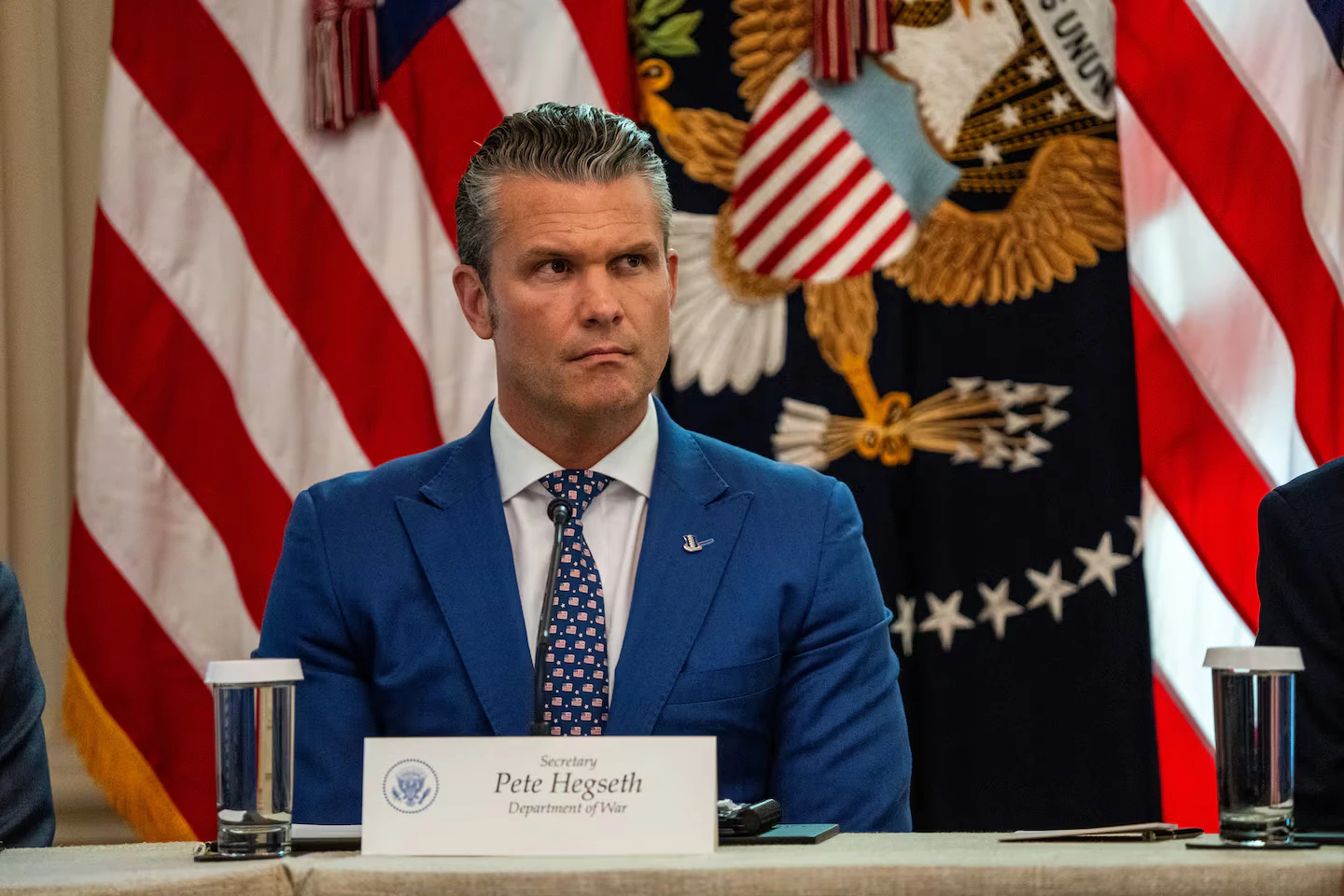
- Rep. Thomas Massie files privileged resolution in the House to impeach Defense Secretary Pete Hegseth.
- Resolution alleges unauthorized airstrikes on Iranian sites violated the War Powers Resolution of 1973.
- President Trump and Secretary Rubio defend Hegseth, dismissing the measure as unauthorized political theatre.
WASHINGTON — In a dramatic procedural rebellion that has laid bare simmering ideological rifts within the Republican Party following last week's midterm elections, Representative Thomas Massie of Kentucky introduced a formal privileged resolution Tuesday morning seeking to impeach Secretary of Defense Pete Hegseth. The measure, filed directly from the well of the House of Representatives, accuses the Pentagon chief of committing high crimes and misdemeanors by executing preemptive military strikes and maintaining naval quarantine operations in the Persian Gulf and Strait of Hormuz without securing prior statutory authorization from the Congress of the United States.
Massie, a prominent libertarian-leaning conservative who has long championed strict adherence to the War Powers Resolution of 1973 and Article I constitutional war prerogatives, delivered an impassioned floor speech outlining three formal articles of impeachment. He contended that recent kinetic strikes carried out by U.S. Central Command against maritime radar installations on Qeshm Island and drone manufacturing logistics hubs in southern Iran constituted unprovoked acts of war that bypassed mandatory constitutional checks, placing American armed forces in active hostilities without legislative approval.
"Our foundational charter is unequivocal: the executive branch does not possess unilateral authority to drag the American republic into an undeclared foreign conflict," Massie declared before a hushed House chamber. "Regardless of which political party occupies the executive mansion, the power to declare war and authorize offensive kinetic operations resides solely with the elected representatives of the American people. When cabinet officials disregard statutory limits and execute unauthorized acts of war, Congress has a constitutional duty to hold them accountable through the remedy of impeachment."
The surprise impeachment push drew an immediate and forceful repudiation from the White House, top Pentagon officials, and House Republican leadership. Speaking to reporters traveling aboard Air Force One, President Donald Trump vigorously defended his defense secretary, characterizing Massie's privileged resolution as frivolous "political theatre" orchestrated by a disgruntled faction of lawmakers. Secretary of State Marco Rubio and White House press aides asserted that all recent defensive interdictions in the Persian Gulf were strictly lawful exercises of the commander-in-chief's inherent Article II authority to protect American commercial shipping, deter hostile Iranian drone threats, and secure international maritime corridors.
House Democratic leadership, preparing to assume majority control of the chamber in January, reacted cautiously to the procedural firestorm. While incoming Democratic committee chairs expressed shared concern over the administration's expansive interpretations of statutory war authorizations, several senior caucus members indicated they would evaluate the formal text before deciding whether to support a procedural motion to table Massie's resolution or allow open committee hearings on executive war powers.
Congressional testimony scheduled for later this month is expected to address cross-agency coordination, focusing specifically on supply chain resiliency, sovereign compute clusters, and long-term capital allocation strategies designed to safeguard domestic competitiveness.