Catastrophic Flash Floods Force Emergency Evacuations Across Southwestern Colorado as Atmospheric River Slams Rockies
Unprecedented autumn atmospheric moisture collided with early snowpack across the San Juan Mountains, triggering catastrophic mudslides and river flooding that forced thousands of Colorado residents from their homes.
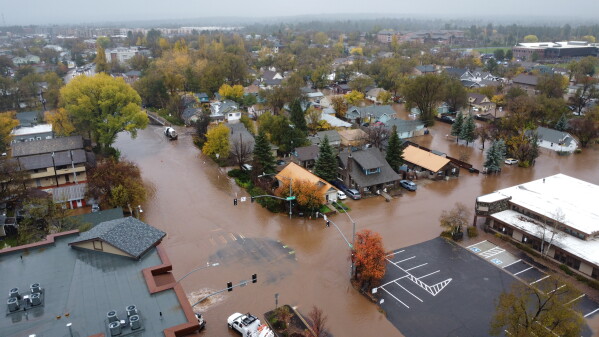
- Atmospheric river triggers violent rain-on-snow deluge, forcing over 3,000 residents to evacuate across southwestern Colorado.
- Colorado National Guard and swift-water rescue units deployed to Durango and Pagosa Springs as major mountain highways wash out.
- Hydrologists warn that autumn atmospheric river patterns are increasingly overwhelming high-elevation drainage systems.
DURANGO, Colo. & DENVER — Emergency rescue personnel, Colorado National Guard helicopter crews, and local sheriff deputies conducted dramatic water evacuations across southwestern Colorado on Monday after an unprecedented late-autumn atmospheric river slammed into the Southern Rocky Mountains. The extreme weather system unleashed torrents of warm, unseasonal rainfall onto early winter snowpack, triggering catastrophic flash flooding, debris flows, and dangerous river crests throughout La Plata, Montezuma, and Archuleta counties.
State emergency management officials confirmed that more than three thousand residents in low-lying river valleys and mountain canyons were placed under mandatory evacuation orders as the Animas, Dolores, and San Juan rivers surged over their historical embankments. Floodwaters submerged roadways, washed out bridges along critical state highways, and breached municipal water filtration facilities, prompting county authorities to issue boil-water advisories and declare regional states of emergency.
National Weather Service hydrologists noted that atmospheric moisture plumes originating from the subtropical Pacific delivered rainfall rates exceeding four inches within a twelve-hour window over high-elevation burn scars left by previous summer wildfires. The saturated, hydrophobic soil rapidly transformed steep mountain slopes into torrents of liquefied mud, boulders, and timber, blocking transit arteries including U.S. Route 550 and stranding dozens of motorists in mountain passes until emergency plows and tracked rescue vehicles could break through.
Governor Jared Polis activated the State Emergency Operations Center in Centennial and authorized the deployment of specialized swift-water rescue teams and National Guard engineering battalions to assist local first responders. Emergency shelters established in high school gymnasiums and civic centers in Durango and Pagosa Springs filled rapidly as families sought refuge from rising waters. Fortunately, while property damage to homes, businesses, and agricultural infrastructure is estimated in the tens of millions of dollars, no fatalities have been confirmed as of Monday afternoon due to swift evacuation enforcement.
Climate scientists and mountain hydrologists warn that rain-on-snow flooding events represent an increasingly hazardous manifestation of shifting atmospheric jet streams in the American West. As warming oceanic temperatures inject higher moisture volumes into continental weather patterns, mountain communities engineered for gradual spring snowmelt are increasingly vulnerable to sudden, violent autumn deluge events that overwhelm civil flood management infrastructure.
Congressional testimony scheduled for later this month is expected to address cross-agency coordination, focusing specifically on supply chain resiliency, sovereign compute clusters, and long-term capital allocation strategies designed to safeguard domestic competitiveness.