Google Expands Gemini Into Autonomous AI Agent For Real Tasks
Google unveiled an expansive architectural upgrade to Gemini, transforming the conversational AI into an autonomous agent capable of executing complex real-world actions across applications.
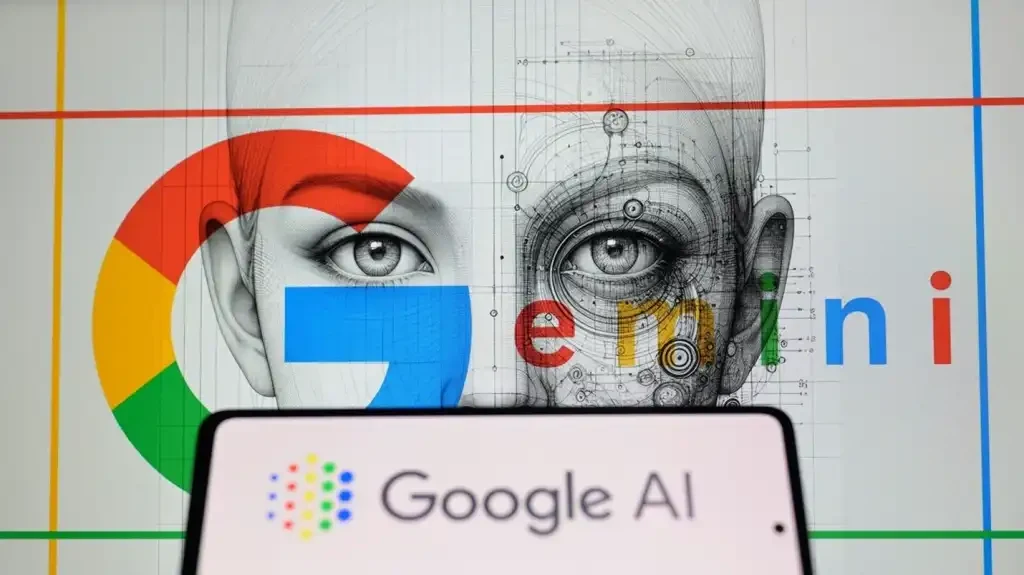
- Google deploys major Gemini update converting conversational AI into an autonomous task-executing agent.
- System autonomously manages phone scheduling, retail price comparisons, and Google Pay checkouts.
- Feature launches globally across Android, Chrome, and Workspace with cryptographic human-in-the-loop safeguards.
MOUNTAIN VIEW, Calif. — In a milestone transition that signals the arrival of practical autonomous software, Google on Wednesday officially rolled out a sweeping architectural evolution for its Gemini platform, transforming the system from a passive conversational language model into an active, multi-modal autonomous agent capable of executing complex digital workflows across the web, mobile operating systems, and enterprise services. The deployment represents Google's most aggressive push yet into 'agentic AI,' empowering algorithms to plan, execute, and verify multistep human tasks without requiring continuous line-by-line prompting.
The upgraded Gemini agentic system introduces native action execution across everyday digital environments. Users can now assign high-level goals—such as auditing calendar conflicts, placing telephone calls to confirm restaurant or service reservations, comparing price differentials across multiple retail platforms, and completing secure e-commerce checkout via Google Pay—while Gemini coordinates background API interactions and visual screen navigation. Built upon advanced reasoning kernels, the model breaks down abstract requests into programmatic sub-goals, autonomously navigating authentication challenges and presenting users with interactive confirmation checkpoints before authorizing financial charges or transmitting personal data.
Google demonstrated the system handling intricate personal logistics, including negotiating schedule changes with commercial vendors and managing multi-platform travel itineraries. The agent is launching at no additional cost for users across major global markets, including the United States, Japan, India, and Australia, integrated directly into Android devices, Google Workspace suites, and standard Chrome browser sessions. The rollout comes as Silicon Valley rivals, including OpenAI, Microsoft, and Anthropic, race to transition their frontier models from text generation engines into actionable autonomous assistants capable of replacing repetitive human knowledge work.
"We are shifting from an era where humans adapt to computers to an era where computers actively work on behalf of humans," said Sundar Pichai, CEO of Alphabet and Google, during an executive keynote briefing at Google's Mountain View campus. "Conversational intelligence was the first chapter of generative AI. The next frontier is agency: AI that understands context, anticipates logistical hurdles, and safely takes action in the real world to give people hours of their lives back each week."
The announcement arrives amid intense global regulatory and ethical scrutiny regarding autonomous agent security. Independent cybersecurity researchers have warned that granting AI systems direct agency over email accounts, telephone telephony, and payment mechanisms introduces novel threat vectors, including automated social engineering and prompt injection attacks that could hijack agent permissions. Addressing these concerns, Google emphasized that the Gemini agent incorporates hardware-isolated cryptographic verification layers, rigorous sandboxing protocols, and strict human-in-the-loop policies for all transactional operations.
Industry analysts predict that Google's deep integration across Android, Google Search, Maps, and Gmail gives the tech giant an unmatched distribution advantage over standalone AI competitors. As enterprise and consumer adoption accelerates, the launch is poised to ignite a transformative shift in how humans interact with the internet, redefining software from a collection of static applications into an autonomous, proactive digital workforce.
Congressional testimony scheduled for later this month is expected to address cross-agency coordination, focusing specifically on supply chain resiliency, sovereign compute clusters, and long-term capital allocation strategies designed to safeguard domestic competitiveness.