






El Yunque Remains Puerto Rico Top Natural Attraction in 2026

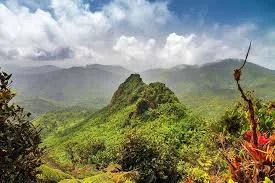
El Yunque: America's Only Tropical National Forest Draws Global Visitors
El Yunque National Forest, located in the Sierra de Luquillo mountains on Puerto Rico's northeastern coast, retains its position as the island's most iconic natural attraction and one of the most distinctive ecological treasures in the entire US National Forest system — as the only tropical rainforest managed by the US Forest Service anywhere in the United States or its territories. The forest covers approximately 28,000 acres and receives between 100 and 240 inches of rainfall annually, sustaining one of the most biodiverse terrestrial ecosystems in the Caribbean basin.
What El Yunque Offers Visitors
El Yunque offers visitors an extraordinary natural experience within easy reach of San Juan — approximately one hour by road from the metropolitan area. The forest's trail network includes the La Mina Trail, which leads to La Mina Falls, one of Puerto Rico's most photographed natural landmarks, as well as the El Yunque Trail, which ascends to the forest's highest accessible peak and offers panoramic views across the northeastern coastline and the Atlantic. The forest is home to more than 240 species of trees, 150 species of ferns, 68 species of birds — including the critically endangered Puerto Rican parrot, of which fewer than 1,000 remain — and a suite of endemic reptiles including Puerto Rico's famous coquí tree frogs, whose distinctive two-note call is one of the island's most recognisable sounds.
ArteYUNQUE and Conservation
The ArteYUNQUE programme is presenting its exhibition "RÍO: Cuenca hidrográfica de El Yunque" through July 2026, bringing together internationally recognised artists to explore the ecological importance and beauty of the El Yunque watershed through visual art and creative expression. Puerto Rico's tourism strategy emphasises responsible, sustainable visitation of natural sites like El Yunque, with visitor management programmes designed to preserve the forest's ecological integrity while ensuring that visitors can continue to experience its extraordinary natural beauty for generations to come.
Related News
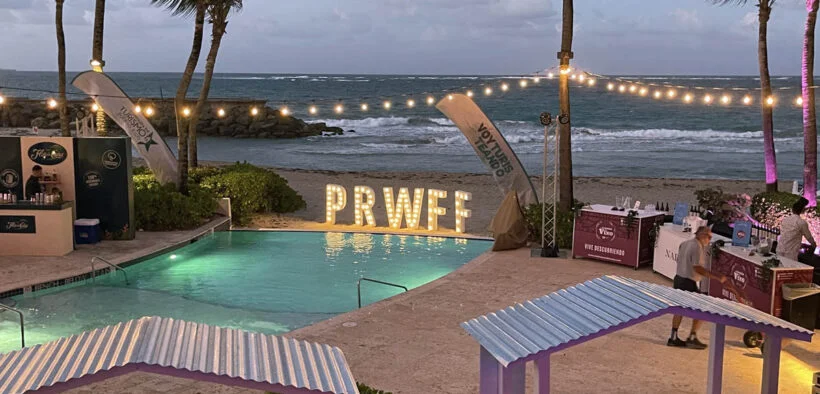
Puerto Rico Food and Wine Festival Returns to San Juan
 Madeline Porter
April 15, 2026
Madeline Porter
April 15, 2026
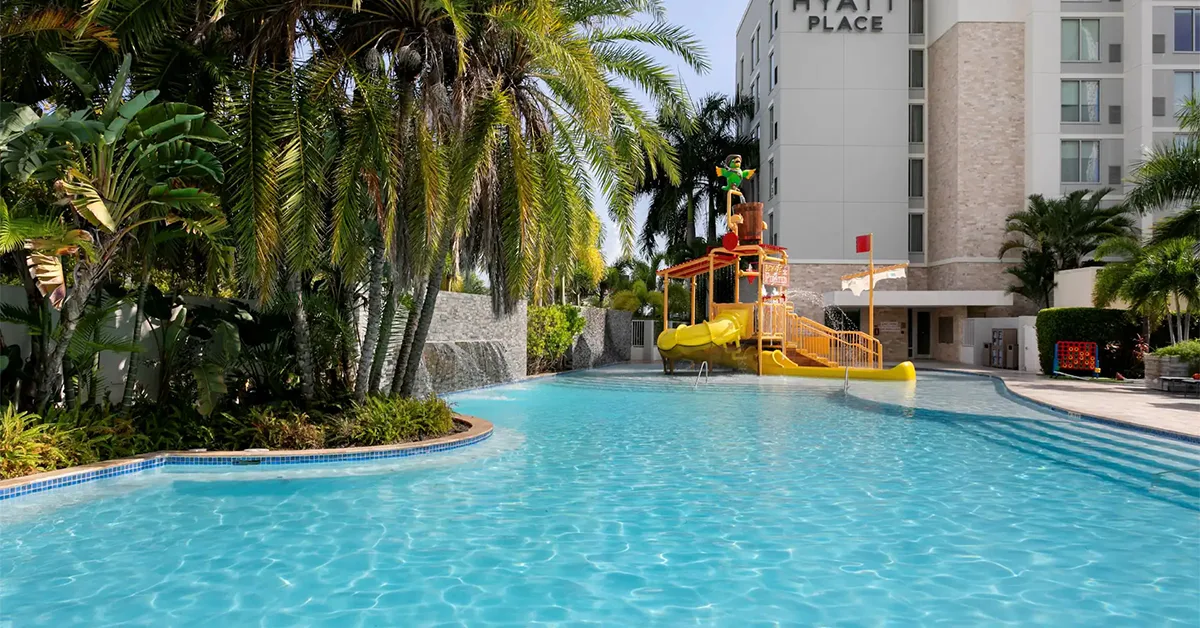
San Juan Hotel Deal: Hyatt Place Offers $167 Per Night
Madeline Porter
April 6, 2026

Hilton and Hampton Inn Bring Hotel Investment to Puerto Rico
Madeline Porter
April 1, 2026
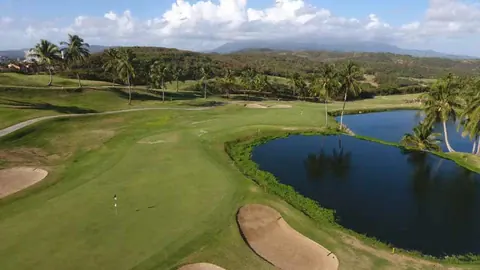
Puerto Rico Rises as the Caribbean Premier Golf Spot
Madeline Porter
March 6, 2026