FAA System Outage Sparks Chaos for Over 1 Million Air Travelers
A nationwide ground stop triggered by an antiquated air traffic control failure during a fiber optic upgrade caused cascading cancellations and delays for more than one million passengers across major U.S. hubs.
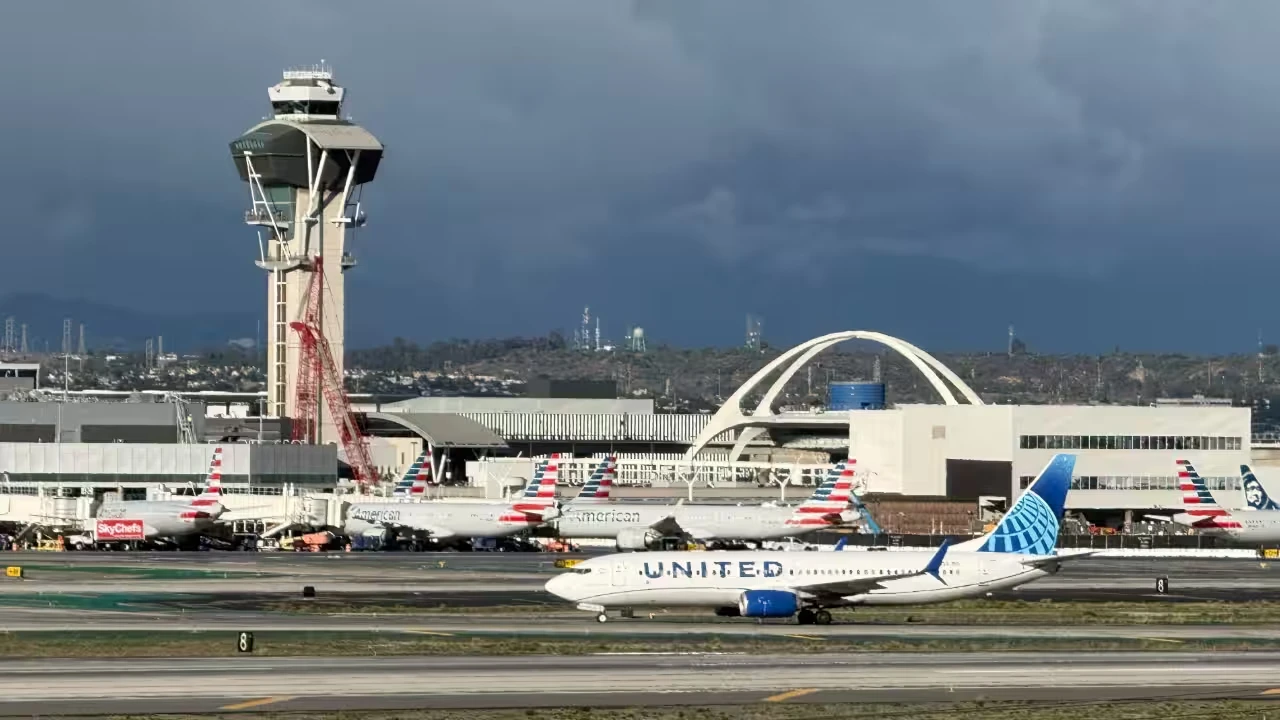
- FAA issues unprecedented nationwide ground stop as air traffic communications fail during fiber optic switchover.
- Over 4,200 flights canceled and 16,000 delayed, affecting more than one million passengers nationwide.
- Transportation Secretary Sean Duffy orders comprehensive federal audit into decades-old legacy airspace equipment.
WASHINGTON & ATLANTA — A catastrophic technical malfunction in the Federal Aviation Administration’s antiquated air traffic management infrastructure forced a rare nationwide ground stop over the weekend, stranding more than one million passengers and triggering unprecedented gridlock across every major American air hub that continued to disrupt commercial flight operations into Monday morning. The crisis erupted when a private infrastructure contractor attempting to migrate legacy copper communications wiring to high-speed fiber-optic lines inadvertently overwhelmed secondary data switches, triggering a domino-style system crash at key regional en route centers.
By Saturday afternoon, the cascading system failure had paralyzed ground operations from Hartsfield-Jackson Atlanta International and Chicago O'Hare to Dallas/Fort Worth, Denver, and New York’s John F. Kennedy International Airport. Airlines reported over 4,200 canceled flights and more than 16,000 severe delays nationwide as dispatchers and federal air traffic controllers were forced to manually verify flight plans and separation distances using contingency protocols designed decades ago. Terminal concourses transformed into makeshift dormitories as stranded passengers queued for hours seeking hotel vouchers, rebookings, and luggage recovery.
Transportation Secretary Sean Duffy convened an emergency command briefing alongside FAA Administrator Michael Whitaker, acknowledging the severe severity of the outage while facing sharp questioning from aviation safety experts and consumer advocacy groups. Duffy stated that while backup networks eventually restored primary telemetry and allowed the nationwide ground stop to be lifted late Friday, the legacy architecture of the National Airspace System proved incapable of absorbing simultaneous digital disruptions during routine hardware modernization.
"What unfolded across our national airspace this weekend is completely unacceptable to the American traveling public," Secretary Duffy told reporters outside Department of Transportation headquarters. "We are operating with air traffic control systems that rely on software and physical routing switches installed during the late twentieth century. When modern fiber upgrades collide with legacy infrastructure, the margin for error is razor-thin. We have initiated a comprehensive federal audit of all ongoing modernization contracts to guarantee this failure never repeats."
Airline executives expressed intense frustration over the financial and reputational fallout. Delta Air Lines, United Airlines, and American Airlines estimated collective operational losses exceeding $350 million in passenger accommodations, crew reassignment logistics, and repositioning flights. Union leaders representing the National Air Traffic Controllers Association (NATCA) warned that persistent staffing shortages compounded the chaos, noting that controllers worked grueling overtime shifts under extreme stress to manage airspace safety without real-time computerized tracking tools.
On Capitol Hill, the House Transportation and Infrastructure Committee and the Senate Commerce Committee announced joint oversight hearings scheduled for later this week, demanding sworn testimony from FAA leadership and contractor executives. As carriers worked furiously Monday to reposition displaced aircraft and flight crews, consumer watchdogs renewed demands for mandatory passenger compensation legislation modeled on European Union standards, ensuring that federal authorities and commercial carriers bear the true cost of systemic infrastructural failures.
Congressional testimony scheduled for later this month is expected to address cross-agency coordination, focusing specifically on supply chain resiliency, sovereign compute clusters, and long-term capital allocation strategies designed to safeguard domestic competitiveness.