






Hurricane Hunter Aircraft Draws Thousands to San Juan

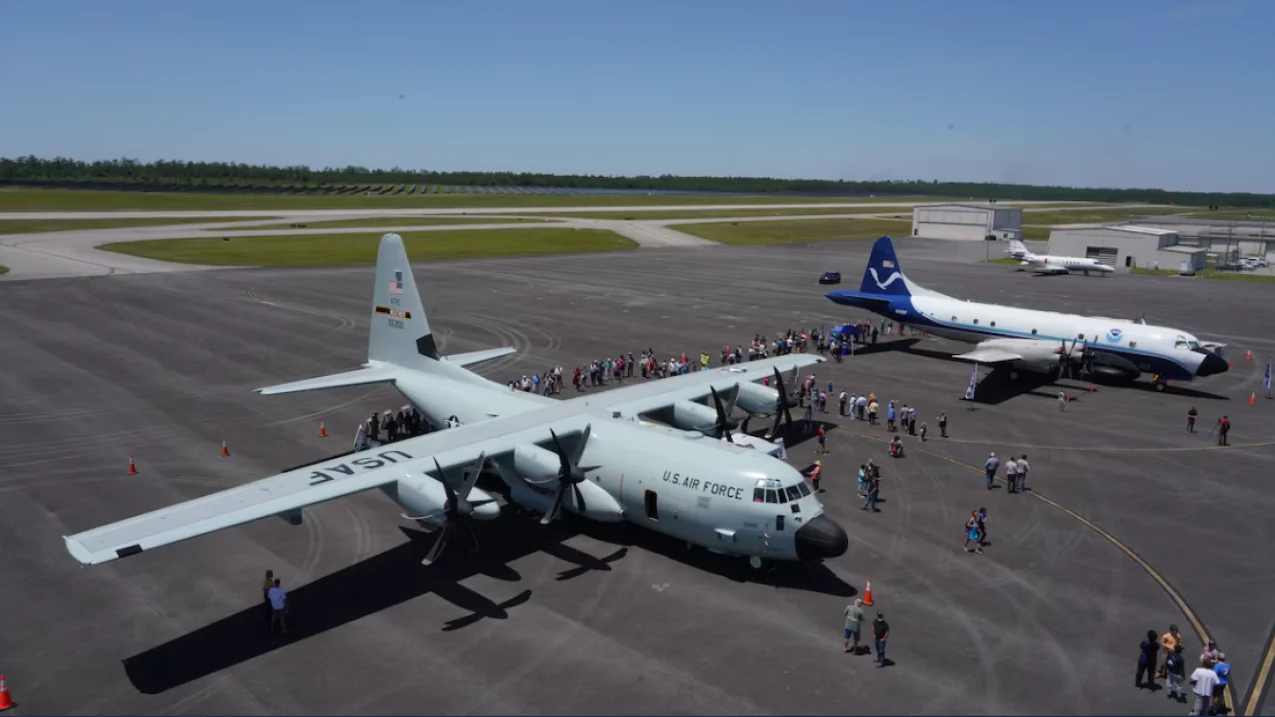
Hurricane Hunter Aircraft Draws Thousands for Emergency Preparedness Event
Thousands of Puerto Rican residents from municipalities across the island converged on San Juan for a public educational event centred around a NOAA P-3 Orion "Caza Huracanes" — Hurricane Hunter aircraft — giving families an extraordinary opportunity to see firsthand the specialised plane used to fly directly into active tropical cyclones to collect the meteorological data that allows forecasters to predict hurricane tracks and intensities and issue life-saving warnings to communities in their path.
Why Preparedness Is Critical for Puerto Rico
Puerto Rico's geographic position in the northeastern Caribbean places it directly in the path of Atlantic hurricane activity for approximately six months every year, from June 1 to November 30. The island's vulnerability was devastatingly demonstrated by Hurricane Maria in September 2017, a Category 4 storm that caused catastrophic destruction across the entire island, killing an estimated 2,975 people, destroying approximately 80% of the island's transmission and distribution infrastructure, and leaving most of the island without electricity for months — in some rural communities, for nearly a year. Hurricane Fiona in September 2022, a Category 1 storm, again knocked out power for over 80% of residents, demonstrating the persistent fragility of Puerto Rico's power grid even years after Maria.
Community Engagement and Resilience Building
The Hurricane Hunter event offered interactive activities alongside the aircraft display, including information booths on emergency supply preparation, family evacuation planning, municipal emergency services, FEMA programmes available to Puerto Rican residents, and resources for disaster recovery. Representatives from the Puerto Rico Emergency Management Bureau, FEMA Region 2, and multiple municipal emergency management offices were present. Organisers described the event as a model for future community preparedness engagement in the lead-up to the 2026 Atlantic hurricane season, which meteorologists are forecasting to be above average in activity given warm Atlantic sea surface temperatures persisting from the record 2024 and 2025 hurricane seasons.
Related News

Puerto Rico Governor Promises Power Relief
 Julian Brooks
May 22, 2026
Julian Brooks
May 22, 2026

Puerto Rico Alarmed by Massive WhatsApp Groups
Julian Brooks
May 21, 2026
Puerto Rico Court Orders UPR Reopening
Julian Brooks
May 12, 2026

UPR Reports 1,147 Admission Cancellations
Julian Brooks
April 30, 2026