





Puerto Rico Cacao Wins Global Recognition
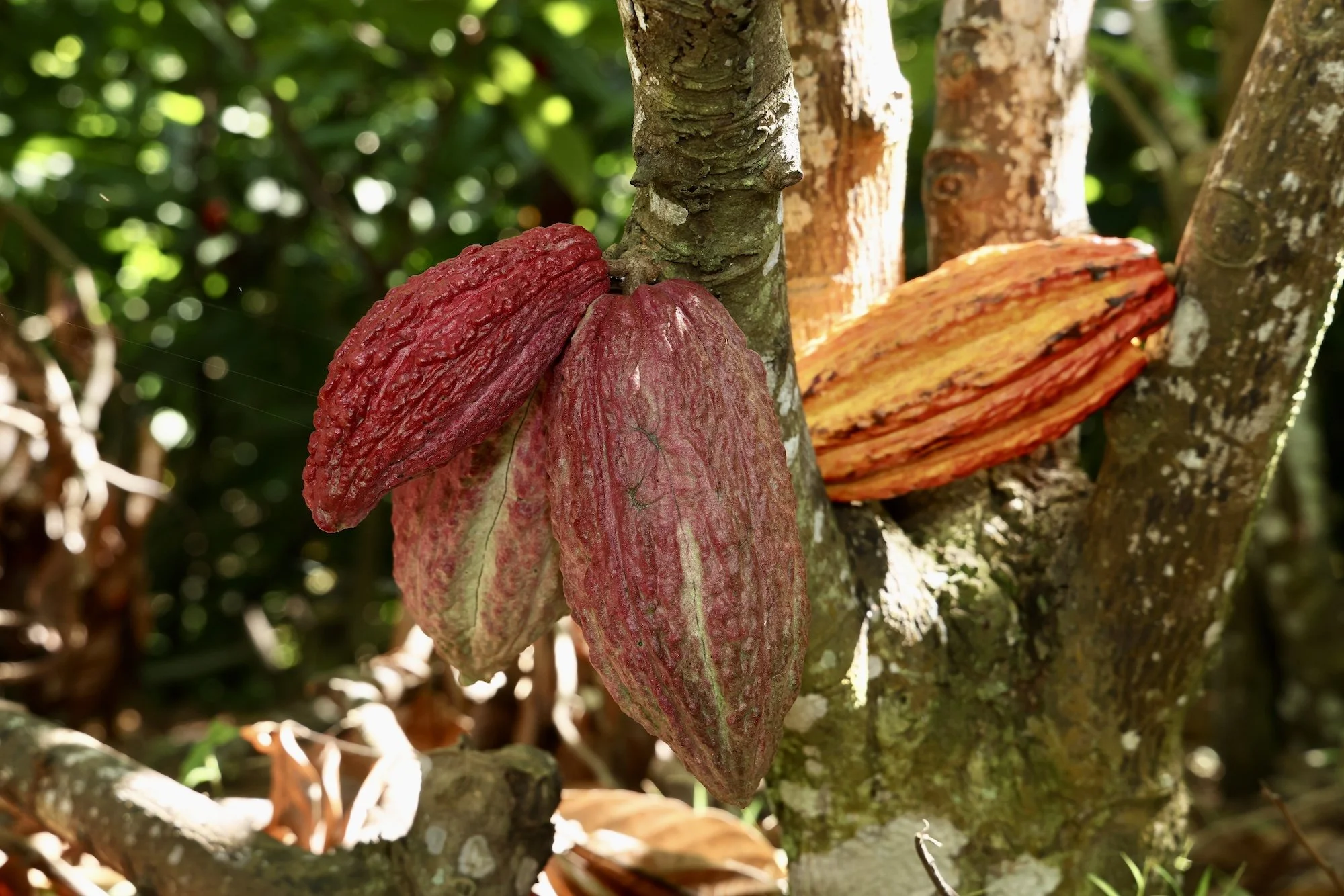
Puerto Rico’s Cacao Industry Gains Global Recognition
Puerto Rico's cacao farmers are winning global awards Tucked in the rolling green hills of Naranjito, Puerto Rico, sits Hacienda Terruño JS, a picturesque 9-acre cacao farm. Color-coded neat rows of small shrubby trees pregnant with the beloved oval pods grow under the warm tropical sun. The evergreens are carefully tended to by retired USDA Forest Service librarian Jorge Morales. Morales, 63, is part of a quiet revolution rooted in heritage, culture, sustainability and love of the land. He is among hundreds of Puerto Rican cacao farmers who are turning their hobby into an art form. Since 2016, the cacao industry in Puerto Rico has experienced a massive resurgence with production growing by more than 3,400%, according to data from Chocolate Cortés.
Rise of Artisanal and Local Chocolate Production
Instead of selling beans to distant processors, many Puerto Rican cacao farmers focus on the local, celebrating terroir, using regenerative practices, developing nuanced flavors and creating bars that taste like Puerto Rico itself. These artisanal farmers and chocolatiers oversee every step: growing the fruit and harvesting the pods, focusing on specialty grades – beans prized for flavor and nuance rather than bulk – and positioning their crop for boutique chocolate makers instead of commodity traders. They ferment and mold finished bars and experiment with flavors – blending cacao with passion fruit, rum, coffee, guava and tropical spices – and they open their farms to visitors and chocolateries, where they serve innovative mixes directly to consumers. This grassroots renaissance has attracted a curious community beyond farming circles: chocolate lovers, chefs and tourists seeking authentic experiences. "In many ways, it’s a lab of trial, error and, ultimately, excellence,” says Morales of cacao farming in the Caribbean archipelago.
Farmers, Awards and Global Recognition
On weekends, Morales leads tours around his farm where visitors – locals and international tourists – learn how cacao transforms from bitter bean to glossy bar. Visitors taste the fruit from pods, watch the fermentation process and not only see how the beans transform but taste the finished product. Morales makes 60% to 100% dark chocolate that he sells on his farm under the name Tanibe. His tours end with a cacao ceremony of sorts: warm cups of hot chocolate prepared by his wife. "I came into cacao farming by accident,” Morales says. Searching for something to busy himself when he retired, he visited a nearby nursery to learn the science of grafting trees. Today, Morales is not only selling raw cacao to Cortés but also winning international accolades. In 2023, his cacao was rated among the top 50 in the world, and he took the silver medal in the Cacao of Excellence Global Awards. In February, he traveled to Amsterdam to pick up another award, the silver. David Valentín-Bayón, of Cacao Valent from San Sebastián, won the gold.
Cacao Culture, History and Future Growth
The sweet story Chocolate perfumes the air around Calle Fortaleza and Calle San José in Old San Juan as Blessie Casul prepares mocha coffee after mocha coffee out of her popular chocolaterie, Ferangi Chocolat. The mother of three was looking for something to do after the last of her children left for college. "You can blame the empty nest for this chocolate shop,” Casul says. Puerto Rico’s modern-day cacao story is rooted in ancient history. According to Christian Vargas García, TARS lead curator and plant breeder, the archipelago’s historic records of cacao go back to the 1700s. But, for centuries before European contact, cacao was woven into the tapestry of the region. Long before monoculture sugarcane and coffee plantations dotted the land, Indigenous people of the island, Taínos, revered cacao not only as nourishment, but as a drink central to ceremony. Experts say the growth of cacao farming reflects a broader movement toward sustainability, heritage preservation, and economic opportunity, positioning Puerto Rico as a rising leader in premium global chocolate production.
Related News
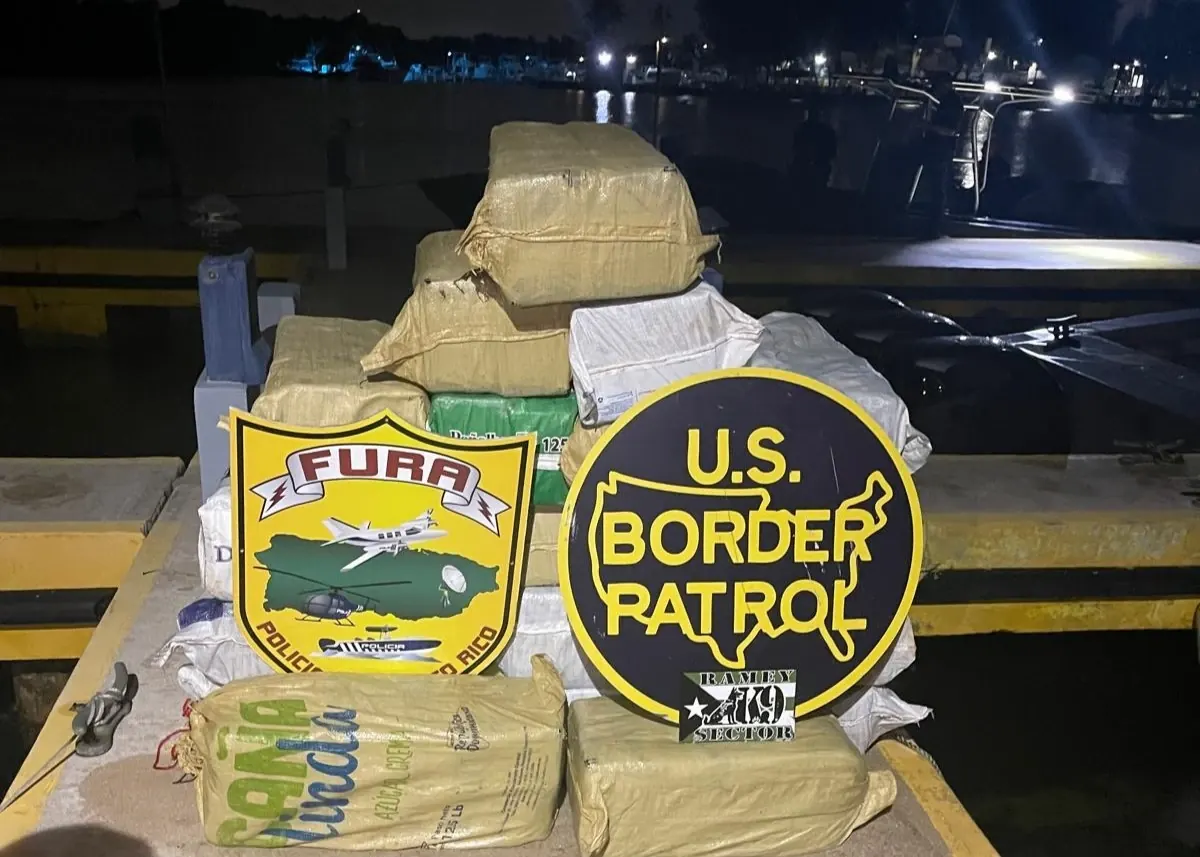
Police Seize $12 Million Cocaine Shipment Off Puerto Rico Coast
 Julian Brooks
March 23, 2026
Julian Brooks
March 23, 2026
US Probes Puerto Rico Political Corruption
Julian Brooks
March 11, 2026
3 Minors Arrested in San Juan School Robbery
Julian Brooks
April 3, 2026

Coast Guard Rescues 5 After Boats Capsize
 Ethan Calloway
April 3, 2026
Ethan Calloway
April 3, 2026