





Venezuela Quakes Echo 2020 for Puerto Rico: Preparedness…
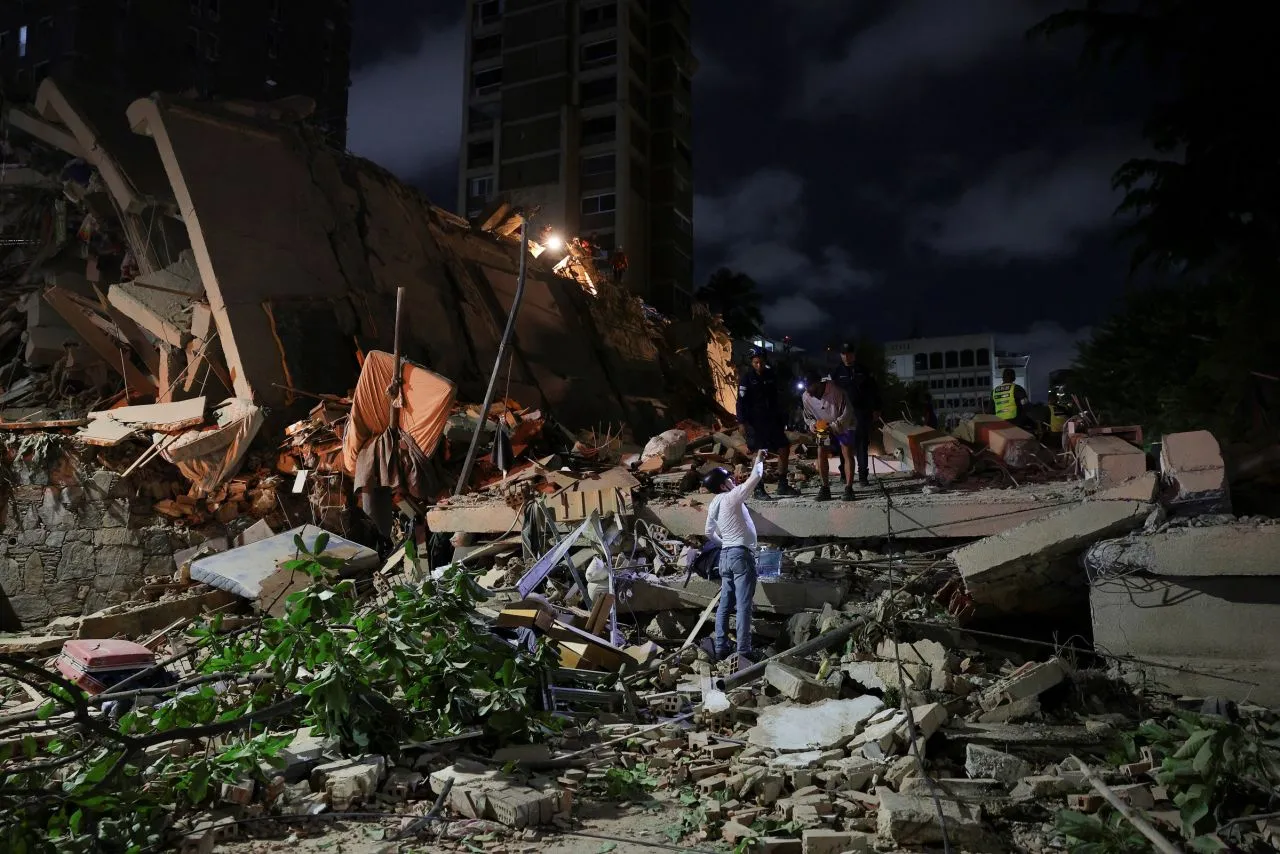
A series of powerful earthquakes, including two registering over magnitude 7.0, that recently struck Venezuela have sent ripples of concern across the Caribbean, particularly in Puerto Rico. For many on the island and within its extensive diaspora in New York, the news of heavy damage reported in Caracas serves as a stark and unsettling reminder of Puerto Rico's own devastating seismic activity in early 2020.
According to CBS News reports, Venezuela experienced significant tremors, with the most powerful quakes causing widespread damage, particularly in its capital city. While the exact scale of destruction and casualties is still being assessed, the sheer magnitude of these events underscores the volatile seismic landscape of the wider Caribbean region. Such powerful quakes in a relatively close proximity inevitably draw attention to the preparedness and structural integrity of neighboring islands.
Puerto Rico, an unincorporated U.S. territory, is no stranger to the destructive power of earthquakes. The island sits at the boundary of the North American and Caribbean tectonic plates, making it one of the most seismically active zones in the Caribbean. This geological reality was brutally brought to the forefront in late 2019 and early 2020, when a series of powerful quakes, including a magnitude 6.4 tremor, rocked the island's southwest region. These events caused widespread destruction, collapsing homes, schools, and critical infrastructure, leaving thousands without power and water for extended periods and displacing countless residents.
The 2020 quakes, which continued for months as a relentless seismic swarm, exposed deep vulnerabilities in Puerto Rico's infrastructure and disaster response mechanisms. Many structures, particularly older buildings and those not built to modern seismic codes, proved highly susceptible to damage. The recovery effort, already complicated by the lingering effects of Hurricane Maria in 2017 and ongoing economic challenges, highlighted the profound need for enhanced preparedness and resilient construction.
For the Puerto Rican community, both on the island and in cities like New York, the Venezuelan earthquakes are more than just distant news; they are a visceral echo of past trauma and a potent call to action. Discussions are reigniting among residents, local officials, and diaspora groups about the urgency of strengthening building codes, improving early warning systems, and educating the public on earthquake safety protocols. The memory of continuous tremors, the fear of collapsing homes, and the disruption to daily life remain fresh for many.
Experts emphasize that while the Venezuelan quakes occurred along a different fault system than those most active around Puerto Rico, they serve as a regional wake-up call. The entire Caribbean basin is interconnected by complex geological forces. Puerto Rico's Office of Emergency Management and Disaster Administration (NMEAD) and the U.S. Federal Emergency Management Agency (FEMA) have been working on recovery and mitigation efforts since 2020, but the scale of the challenge remains immense. Billions of dollars have been allocated for reconstruction, but the pace of implementation is often slow, and the feeling of vulnerability persists.
The current events in Venezuela underscore that seismic threats are not isolated incidents but a persistent regional reality. For Puerto Rico, which faces the unique challenges of its political status as a territory and its ongoing recovery from multiple natural disasters, proactive preparedness is not merely a recommendation but an absolute necessity. As the island continues to rebuild and fortify itself, the tremors from its South American neighbor serve as a powerful reminder that vigilance and resilience must remain at the forefront of its collective consciousness.
Related News
Ponce Diocese Welcomes New Bishop from Vatican Amidst Crisis
 Julian Brooks
June 25, 2026
Julian Brooks
June 25, 2026

Puerto Rico Governor Promises Power Relief
Julian Brooks
May 22, 2026

Puerto Rico Alarmed by Massive WhatsApp Groups
Julian Brooks
May 21, 2026
Puerto Rico Court Orders UPR Reopening
Julian Brooks
May 12, 2026