America Turns the Clocks Back One Hour as Bipartisan Sunshine Protection Act Remains Paralyzed in Congress
Over 300 million Americans adjusted their clocks as Daylight Saving Time ended Sunday, reigniting fierce health, economic, and legislative debates over why the federal push for permanent daylight time remains stalled on Capitol Hill.
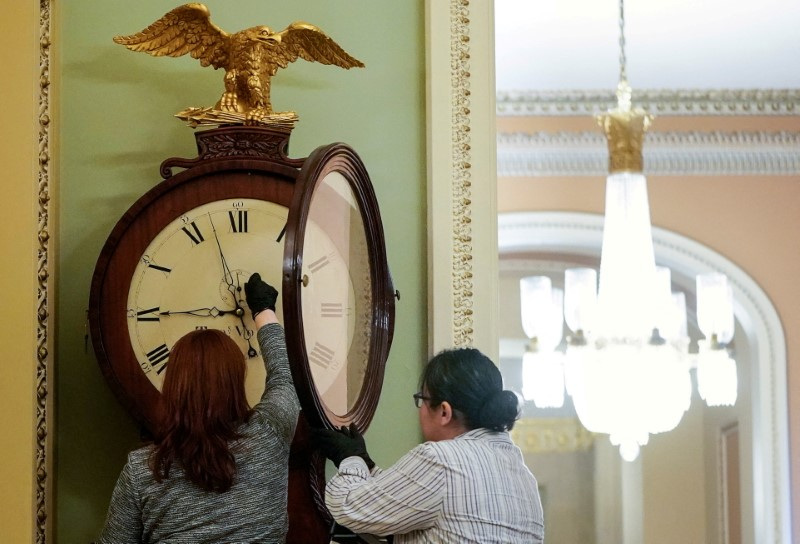
WASHINGTON — In an annual ritual that continues to spark national debate, millions of Americans across forty-eight states turned their clocks back one hour at 2:00 a.m. Sunday, bringing an end to Daylight Saving Time for 2026 and returning the United States to standard time. While the transition granted households an extra hour of weekend sleep, it has once again thrust the controversial bi-annual time change into the congressional spotlight, where sweeping bipartisan legislation to permanently abolish the practice remains stalled in legislative purgatory.
The Sunshine Protection Act, spearheaded by a diverse coalition of lawmakers including Senator Marco Rubio and bipartisan colleagues in both chambers, has historically sought to establish permanent Daylight Saving Time nationwide. Proponents cite extensive economic and retail studies indicating that longer evening daylight hours boost consumer commerce, stimulate youth outdoor sports participation, and reduce vehicle-pedestrian collisions during evening rush hours.
However, the bill has encountered staunch scientific and medical resistance from prominent chronobiology and sleep research organizations, including the American Academy of Sleep Medicine (AASM). Medical researchers argue that permanent daylight saving time forces millions of schoolchildren and commuters to travel in pitch darkness during winter months, disrupting natural circadian rhythms, increasing morning cardiovascular distress, and impairing adolescent learning retention. The medical community instead advocates for permanent Standard Time, aligning human biological clocks with the natural solar zenith.
With Congress focused on election day, legislative leaders have deferred floor consideration of the measure to future congressional sessions, leaving state legislatures in California, Florida, and Tennessee—which have already enacted state-level triggers for permanent DST—unable to implement the change without federal statutory authorization under the Uniform Time Act of 1966.
Congressional testimony scheduled for later this month is expected to address cross-agency coordination, focusing specifically on supply chain resiliency, sovereign compute clusters, and long-term capital allocation strategies designed to safeguard domestic competitiveness.