U.S.–Canada Trade Talks Open High-Stakes Channel to Avert Cross-Border Steel and Auto Tariff Clash
Prime Minister Mark Carney and President Trump concluded a direct bilateral conference addressing contentious tariffs on automotive assemblies and industrial metals, seeking a temporary standstill agreement before election day.
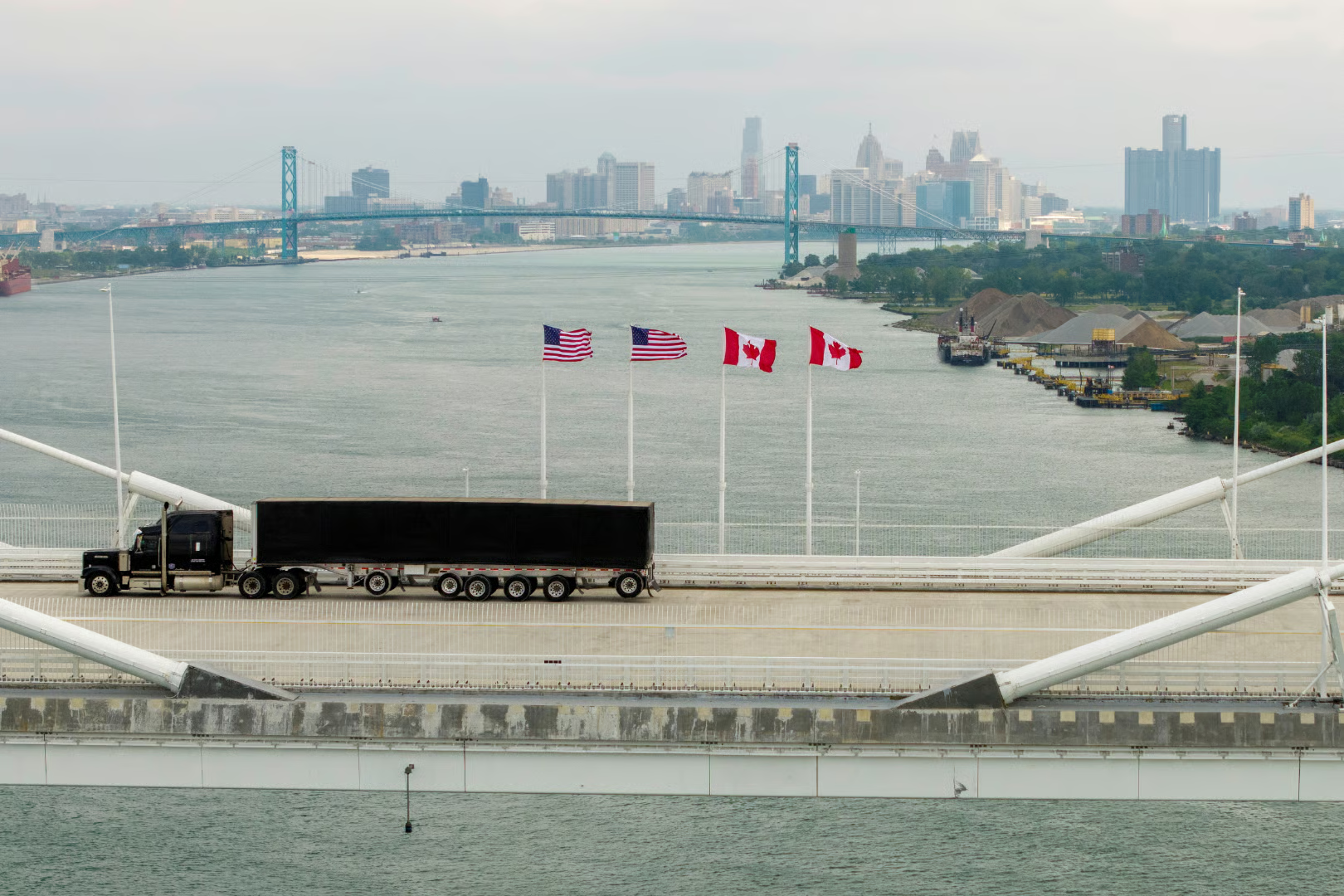
- High-level dialogue between Washington and Ottawa seeks to prevent punitive cross-border automotive and metals tariffs.
- Midwest industrial supply chains face severe cost spikes if bilateral exemptions are not formalized before winter production cycles.
- Talks establish preliminary negotiating baseline ahead of mandatory 2026 USMCA continental trade agreement review.
DETROIT & OTTAWA — Bilateral trade negotiations between the United States and Canada reached a pivotal juncture on Monday following weekend discussions between Canadian Prime Minister Mark Carney and U.S. President Donald Trump, focused on averting an escalating cycle of cross-border industrial tariffs. The diplomatic push comes as automotive manufacturers, agricultural cooperatives, and heavy industrial exporters in border battleground states like Michigan, Ohio, and Maine sound urgent alarms over potential supply chain paralysis.
At the core of the friction is a proposed 25% tariff structure targeting imported steel, aluminum, and complex vehicle sub-assemblies crossing the northern border. Canadian officials noted that integrated North American automotive manufacturing relies on parts crossing between Ontario and Michigan up to eight times before final vehicle assembly. Imposing unilateral trade barriers, industry trade groups warn, would instantaneously drive up vehicle sticker prices by thousands of dollars and trigger reciprocal Canadian levies on American consumer goods and energy exports.
Speaking to financial reporters in Ottawa, Prime Minister Carney described the preliminary dialogue with the White House as constructive, emphasizing mutual recognition that coordinated North American economic security is essential to counter aggressive overseas market dumping. "Our respective manufacturing bases are not adversaries; they are intertwined pillars of continental strength," Carney noted, indicating that technical working groups from the Office of the U.S. Trade Representative and Canada's Department of International Trade have convened to explore targeted quota carve-outs.
In Washington, congressional lawmakers representing Midwest industrial districts expressed cautious optimism while pushing the administration to secure binding guarantees. Industry leaders from the Motor & Equipment Manufacturers Association (MEMA) highlighted that uncertainty surrounding trade rules has already prompted several multinational tier-one suppliers to freeze capital expenditure on new battery assembly lines and stamping facilities.
With financial markets and manufacturing executives watching closely, trade policy scholars indicate that any formal memorandum of understanding or interim tariff standstill negotiated this week will serve as the architectural blueprint for the broader 2026 United States-Mexico-Canada Agreement (USMCA) statutory joint review scheduled for early next year.
Congressional testimony scheduled for later this month is expected to address cross-agency coordination, focusing specifically on supply chain resiliency, sovereign compute clusters, and long-term capital allocation strategies designed to safeguard domestic competitiveness.