U.S. Midterm Elections Face Historic 51-Million Early Voting Surge as Battlegrounds Enter Final 48-Hour Frenzy
A record-breaking cascade of early in-person and mail-in ballots has swept through Georgia, Michigan, Pennsylvania, and Arizona as both parties mount aggressive get-out-the-vote operations in a razor-thin contest for control of the House and Senate.
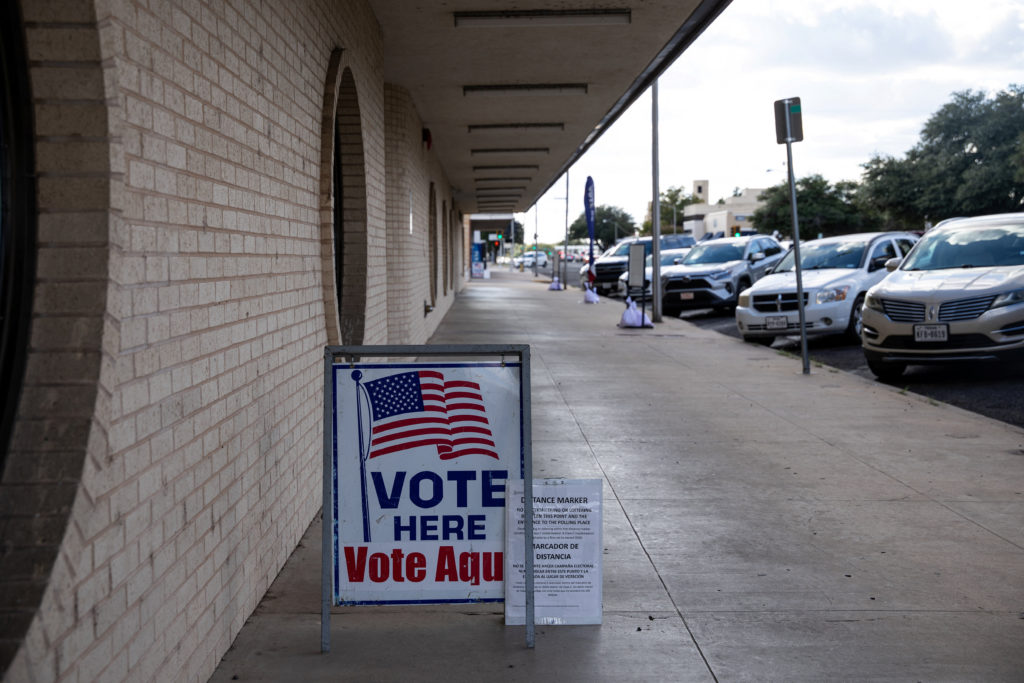
- Over 51 million ballots cast early nationwide, breaking previous midterm turnout records across key battleground states.
- Intense ground game mobilization underway across Pennsylvania, Michigan, Georgia, and Arizona as both parties battle for razor-thin majorities.
- Federal election security task forces activate national coordination centers to counter disinformation and safeguard physical polling sites.
WASHINGTON — With less than forty-eight hours remaining before polls open across the nation for the 2026 United States Midterm Elections, election administrators and university research labs confirmed Monday that more than fifty-one million Americans have already cast their ballots. The historic early turnout figures have shattered previous midterm voting benchmarks, signaling extraordinary civic engagement and deep national polarization as control of both chambers of Congress hangs by the narrowest of margins.
From the Sun Belt suburbs of Atlanta and Phoenix to the industrial precincts of western Pennsylvania and Michigan, voting locations experienced sustained weekend lines as election workers processed unprecedented surges of early in-person voters. At state election divisions, ballot processing teams worked under expanded security protocols, verifying signatures, securing optical scan tabulation machines, and managing round-the-clock mail-in return depositories. In states such as North Carolina and Georgia, early turnout approached levels previously observed only during presidential election cycles.
Political analysts note that the surge has created unprecedented tactical volatility for both national party committees. While registered Democrats posted early voting gains across major metropolitan centers in Detroit, Philadelphia, and Pittsburgh, Republican turnout rebounded dramatically during weekend "Souls to the Polls" initiatives and rural early-voting drives across the Midwest. The resulting deadlock has concentrated hundreds of millions of dollars in final-hour broadcast, digital, and mobile advertising across seven competitive Senate races and two dozen suburban House battlegrounds.
On the campaign trail Sunday and Monday, leaders from both parties barnstormed critical congressional districts, delivering stark closing arguments. Republican leaders centered their closing messaging on sticky consumer prices, persistent borrowing costs, and border enforcement, warning that split government or Democratic majorities would block essential deregulation efforts. Meanwhile, Democratic candidates and progressive coalitions emphasized reproductive freedom, corporate price-gouging investigations, and federal voting rights protections, urging infrequent midterm voters to turn out in force.
Independent election monitoring consortiums emphasize that despite high early voting tallies, the true outcome will be decided by late-deciding independent voters who historically show up on Election Day itself. In bellwether counties such as Maricopa in Arizona and Bucks in Pennsylvania, campaign field offices have mobilized tens of thousands of volunteer door-knockers equipped with algorithmic voter mapping tools to maximize neighborhood turnout before Tuesday evening deadlines.
Federal cybersecurity and domestic intelligence agencies confirmed that monitoring desks are operating at heightened readiness to defend against coordinated disinformation campaigns and localized technical disruptions. With the nation standing on the precipice of election day, state secretaries of state have reminded voters to verify designated polling precinct locations, bring necessary identification credentials, and rely on official county election board communications for certified vote tabulation schedules.
Congressional testimony scheduled for later this month is expected to address cross-agency coordination, focusing specifically on supply chain resiliency, sovereign compute clusters, and long-term capital allocation strategies designed to safeguard domestic competitiveness.