Nvidia CEO Scrutiny and AI Export Controls Draw Fresh Spotlight in Washington Semiconductor Debate
President Donald Trump publicly addressed questions regarding Nvidia co-founder Jensen Huang on the campaign trail, emphasizing his respect for the CEO while bipartisan lawmakers examine national security guardrails around advanced GPU exports.
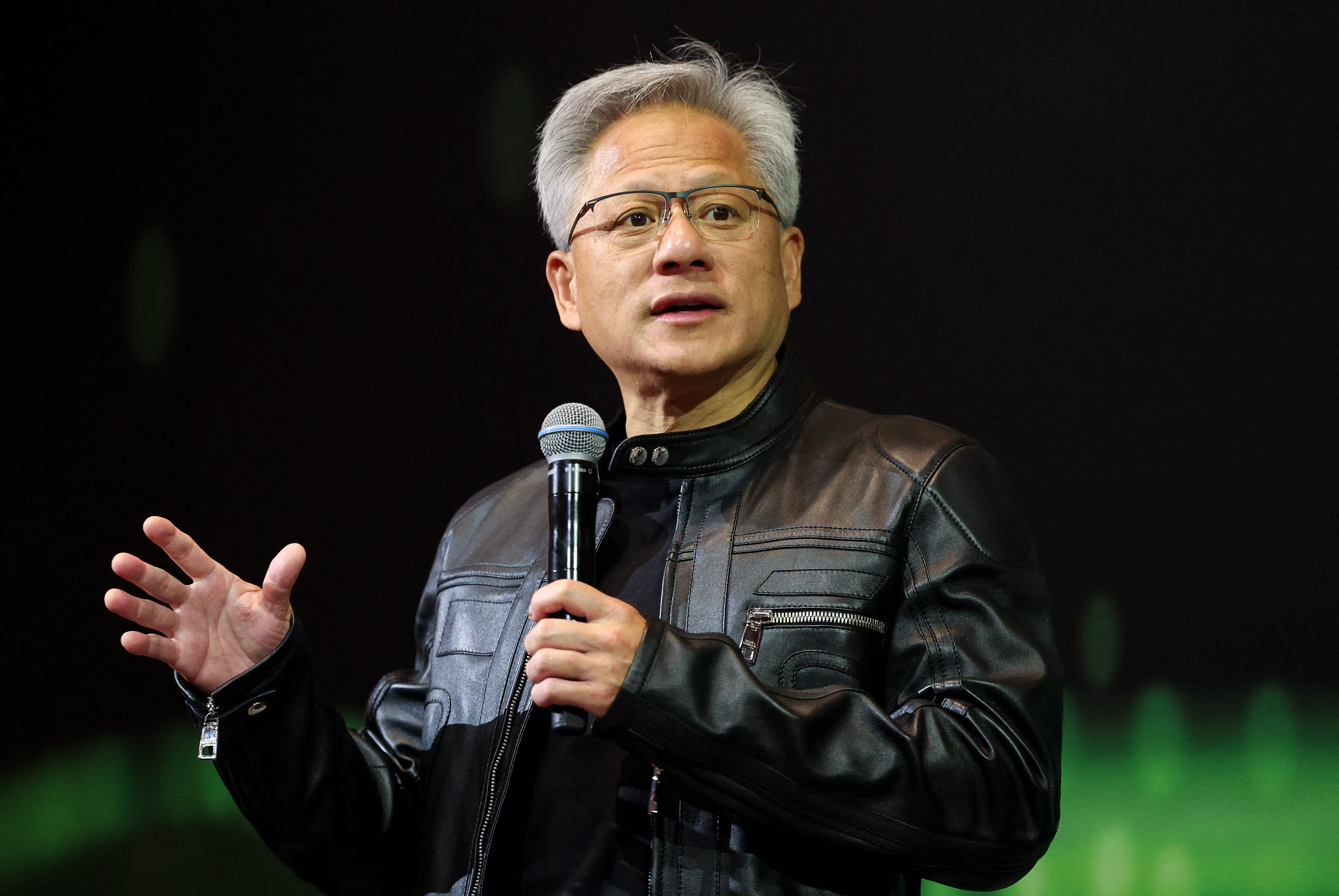
WASHINGTON & SANTA CLARA, Calif. — The complex geopolitical intersection of artificial intelligence supremacy and semiconductor export controls took center stage Monday following public comments by President Donald Trump addressing questions regarding Nvidia co-founder and CEO Jensen Huang. Speaking to reporters on the campaign trail, Trump noted that he has always found the semiconductor pioneer to be "aboveboard" and expressed confidence in the company's integrity while emphasizing that national security oversight over critical computing chips remains paramount.
The discussion arrives as congressional oversight committees and the Department of Commerce prepare to review enforcement mechanisms governing export limitations on advanced AI graphics processing units. Under current federal guidelines, high-bandwidth compute accelerators capable of training foundational AI models are subject to strict licensing protocols to prevent unauthorized transfer to foreign adversaries.
Nvidia, which recently achieved a market valuation exceeding $3.5 trillion on the back of explosive global demand for its Blackwell architecture compute systems, has maintained an extensive compliance apparatus to adhere to federal export standards. The company has developed customized, power-adjusted processor variants specifically engineered to comply with federal performance thresholds while serving international enterprise cloud markets.
Industry analysts emphasize that maintaining clear, transparent regulatory frameworks is vital for American semiconductor leadership. As global demand for AI infrastructure surges, semiconductor leaders have urged Washington to couple rigorous national security safeguards with continued federal investments in domestic fabrication facilities under the CHIPS and Science Act, ensuring the United States maintains its technological moat across design, manufacturing, and packaging.
Congressional testimony scheduled for later this month is expected to address cross-agency coordination, focusing specifically on supply chain resiliency, sovereign compute clusters, and long-term capital allocation strategies designed to safeguard domestic competitiveness.