The Closing Argument: America Prepares to Cast Its Vote Under the Shadow of Divided Governance
As millions prepare to cast their ballots, our editorial board examines why institutions, economic realism, and democratic norms must transcend partisan zero-sum politics.
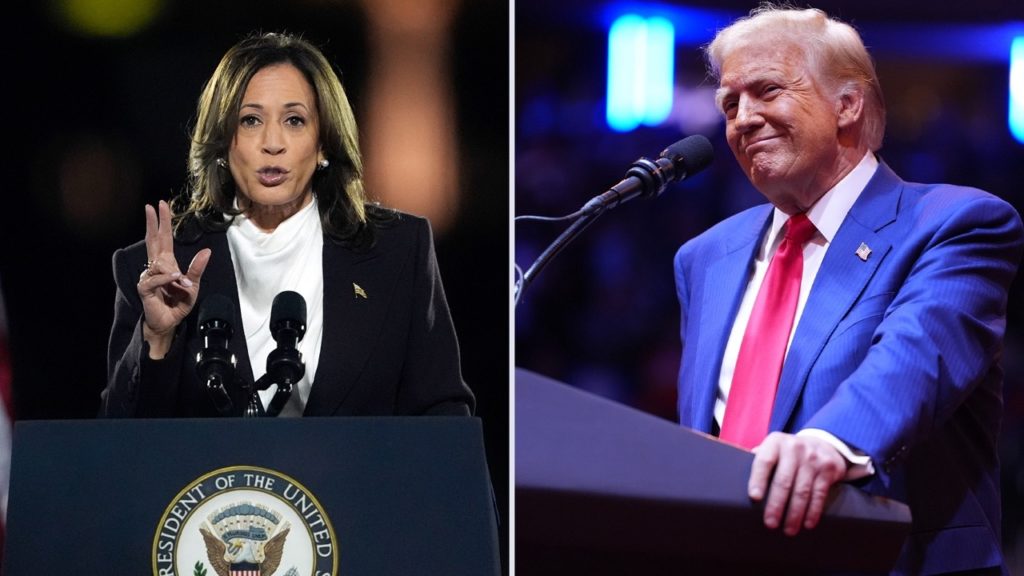
WASHINGTON — On the eve of the 2026 United States Midterm Elections, the American electorate stands at an undeniable crossroads. More than fifty million citizens have already registered their choices through early voting, and tens of millions more will step into voting booths across fifty states tomorrow. They do so against a backdrop of deep national fatigue, persistent economic anxieties, and an increasingly bitter partisan polarization that threatens to paralyze the essential machinery of representative democracy.
In evaluating the closing arguments delivered across the nation over the weekend, what emerges most vividly is not the divergence of legislative platforms, but the fundamental erosion of shared civic premises. In our digital age of algorithmic silos and hyper-curated media feeds, political campaigns are no longer designed to persuade the undecided; they are weaponized to maximize grievance, foster existential dread, and mobilize base supporters through warnings of impending national ruin.
Yet history demonstrates that democratic resilience is not measured by the absence of fierce ideological contention, but by the strength of constitutional guardrails and institutional norms that govern how power is transferred and exercised. Whether the American people choose unified congressional majorities or split government on Tuesday, the challenges awaiting the 120th Congress will not bend to partisan posturing. Sticky living costs, ballooning sovereign debt obligations, geopolitical friction in the Pacific and Middle East, and the transformative disruption of artificial intelligence require serious, deliberative governance.
As voters enter polling precincts tomorrow, the enduring promise of the American experiment rests not on the total victory of one political faction over another, but on the quiet, sovereign civic duty of everyday citizens demanding accountability, factual integrity, and constitutional stewardship from those they elect to serve.
Congressional testimony scheduled for later this month is expected to address cross-agency coordination, focusing specifically on supply chain resiliency, sovereign compute clusters, and long-term capital allocation strategies designed to safeguard domestic competitiveness.