Dow Surpasses Historic 50,000 Milestone While Nasdaq Retreats on Global AI Volatility and Fed Inflation Debate
The Dow Jones Industrial Average surged past the 50,000 mark on Tuesday as capital rotated sharply into healthcare, industrials, and consumer staples, even as renewed tech turbulence dragged the Nasdaq down 1.48% and global chipmakers slumped on Wednesday.
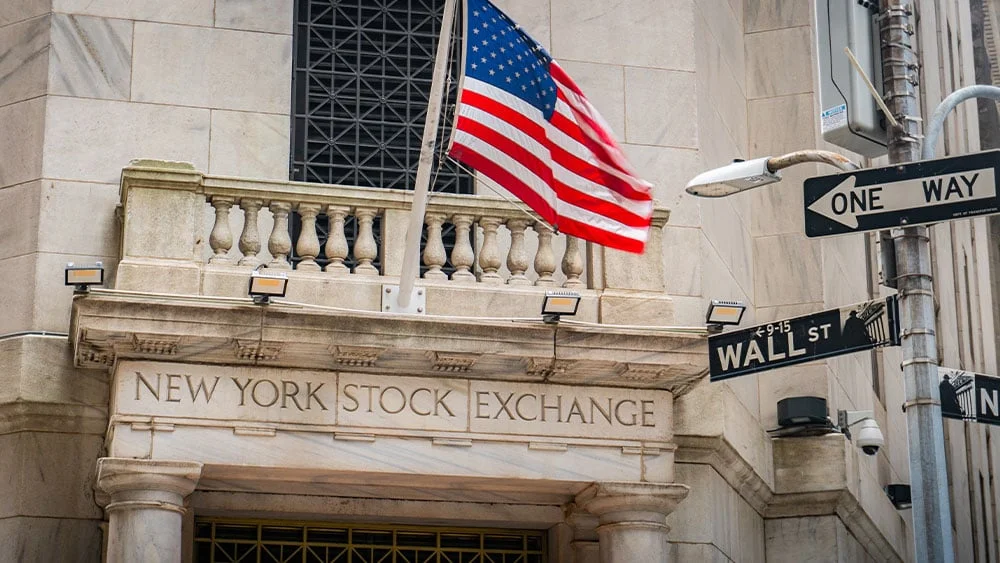
- The Dow Jones Industrial Average gained over 423 points to finish above 50,000 for the first time, powered by industrial and healthcare rotation.
- The Nasdaq Composite fell 1.48% and the S&P 500 recorded its eighth drop in nine sessions, sparking steep Wednesday chipmaker declines in Asia and Europe.
- New York Fed President John Williams and hedge fund manager Bill Ackman clashed publicly over whether AI infrastructure spending is keeping inflation above 3.5%.
In a dramatic display of market divergence that underscored deep investor uncertainty heading into the Thanksgiving holiday, the Dow Jones Industrial Average surged more than 423 points on Tuesday to close above the historic 50,000 milestone, even as renewed turmoil across artificial intelligence and semiconductor stocks dragged the Nasdaq Composite down 1.48 percent and triggered sharp overseas sell-offs on Wednesday morning.
While Lower Manhattan’s oldest blue-chip index celebrated an unprecedented psychological threshold—propelled by sweeping institutional rotation into defensive healthcare giants, banking titans, and traditional industrial manufacturers—the broader technology complex failed to sustain Monday’s short-lived euphoria surrounding Nvidia CEO Jensen Huang’s board reinstatement.
Global Spillover Hits Chipmakers as S&P 500 Extends Slide
Tuesday’s 0.50 percent dip in the benchmark S&P 500 marked the index’s eighth daily loss in nine trading sessions, confirming that institutional portfolio managers remain deeply cautious about stretched technology multiples ahead of Nvidia CEO Jensen Huang’s scheduled congressional testimony next week.
The sell-off spilled swiftly across international trading desks on Wednesday, November 25, with Asian and European equity benchmarks retreating sharply. Major global semiconductor foundries and tech conglomerates—including Taiwan Semiconductor Manufacturing Co. (TSMC), Samsung Electronics, and SoftBank Group—posted steep single-session losses as foreign desks trimmed exposure to high-beta AI hardware supply chains.
Despite the turbulence, Wall Street strategists at JPMorgan Chase struck a guardedly constructive longer-term tone in their flagship 2027 outlook published Tuesday, setting an end-of-2027 S&P 500 target of 8,200—representing roughly 14 percent upside from current trading bands—while warning that near-term gains remain strictly capped by tightening financial conditions and unresolved central bank tightening risks.
The Fed’s "AI Inflation Paradox" Takes Center Stage
Beyond equity valuations, Tuesday and Wednesday’s market debate crystallized around an intense macroeconomic dispute over whether the trillion-dollar AI infrastructure buildout is actively preventing U.S. inflation from cooling.
Speaking to regional financial leaders, New York Federal Reserve Bank President John Williams emphasized that while generative AI capital expenditures are sustaining solid real GDP expansion, the relentless demand for electrical transformers, industrial metals, specialized memory chips, and skilled construction labor—layered atop sweeping import tariffs—is holding underlying consumer price inflation stubbornly between 3.5 and 3.7 percent.
"Monetary policymakers cannot ignore persistent upside pressure in core prices simply because productivity investments are driving the demand," Williams noted, keeping expectations firmly anchored around a 25-basis-point interest rate hike at the Federal Open Market Committee’s December policy meeting, where futures markets now assign a nearly 98 percent probability of tighter policy.
Bill Ackman Challenges the Fed’s Rigid 2% Target
The prospect of another December rate increase prompted a sharp public rebuke from prominent New York hedge fund manager Bill Ackman, who argued that the Federal Reserve’s rigid adherence to its legacy 2 percent inflation target ignores structural transformations sweeping the modern global economy.
Ackman cautioned that attempting to force inflation down to 2 percent through aggressive monetary tightening—at a time when supply chains are reshoring under tariff regimes and hyperscale data centers require historic capital formation—risks needlessly pushing long-term Treasury yields higher and tipping the broader U.S. economy into an avoidable 2027 recession.
Traders in New York will focus intently over the next 72 hours on revised Q3 GDP figures, the Personal Consumption Expenditures (PCE) price index, and the Federal Reserve’s Beige Book for decisive confirmation of whether the blue-chip rally above Dow 50,000 can broaden into a year-end market recovery.
Congressional testimony scheduled for later this month is expected to address cross-agency coordination, focusing specifically on supply chain resiliency, sovereign compute clusters, and long-term capital allocation strategies designed to safeguard domestic competitiveness.