






Puerto Rico Senate Moves to Bolster Debtor Protections
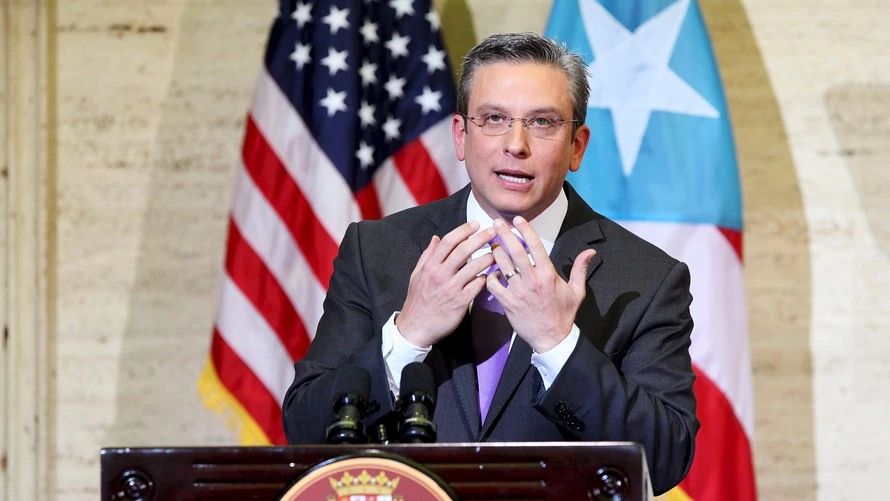
SAN JUAN, PUERTO RICO – In a significant legislative push to shield its citizens from the brunt of economic hardship, the Puerto Rico Senate is currently reviewing a comprehensive measure designed to strengthen protections for debtors across the island. The proposed legislation, introduced amidst a backdrop of persistent financial challenges and recovery efforts from multiple natural disasters, aims to provide a vital safety net for individuals and small businesses grappling with mounting debt.
The bill, tentatively known as Senate Bill 1234, seeks to address several key areas of concern for indebted residents. Among its most impactful provisions are proposed caps on interest rates for certain types of consumer loans, stricter regulations on debt collection practices to prevent harassment and predatory tactics, and the establishment of clearer, more accessible pathways for debtors to negotiate repayment plans. Furthermore, the measure contemplates expanding financial literacy programs and improving access to legal aid for those facing insolvency.
The initiative arrives at a critical juncture for Puerto Rico, an unincorporated territory of the United States that has endured a decade-long economic recession, a historic public debt crisis, and the devastating impacts of hurricanes Maria (2017) and Fiona (2022), as well as a series of damaging earthquakes. These events have left a significant portion of the population financially vulnerable, with many struggling to meet basic needs while simultaneously servicing existing debts.
According to recent economic reports, Puerto Rico continues to face high poverty rates and a significant out-migration of its working-age population to the U.S. mainland, including a substantial community in New York City. For those who remain, consumer debt—from credit cards and personal loans to mortgages and car payments—often represents an insurmountable burden, exacerbated by limited economic opportunities and a challenging job market.
Senator María Rodríguez, a co-sponsor of the bill, emphasized the humanitarian aspect of the proposed law during a recent committee hearing. “Our people have faced unimaginable adversities. This measure is not about absolving responsibility; it’s about ensuring fairness and providing a dignified path forward for those who are struggling,” Senator Rodríguez stated. “It’s about preventing families from losing everything due to circumstances often beyond their control, and fostering an environment where recovery is truly possible.”
Proponents of the bill, including consumer advocacy groups and community leaders, argue that existing protections are insufficient to address the unique economic realities of Puerto Rico. They point to instances of aggressive debt collection and the crushing weight of high-interest loans as factors that trap individuals in cycles of poverty. Strengthening these protections, they contend, could prevent further economic instability and encourage more equitable financial practices.
However, the proposed legislation is not without its critics. Representatives from the financial sector have voiced concerns about the potential implications for credit availability and the overall lending environment on the island. A spokesperson for the Puerto Rico Bankers Association, who requested anonymity due to ongoing discussions, suggested that overly stringent regulations could inadvertently tighten credit, making it harder for individuals and small businesses to secure essential financing. “We support responsible lending and fair treatment of customers, but we must also ensure that measures don’t stifle economic activity or discourage investment in Puerto Rico,” the spokesperson commented.
The debate surrounding debtor protections in Puerto Rico also highlights the complex interplay between local statutes and federal law. While federal bankruptcy laws provide a framework for individuals to discharge or reorganize debt, local legislation can offer additional safeguards regarding collection practices, specific loan terms, and consumer rights. The proposed measure aims to complement these federal provisions by tailoring protections to Puerto Rico’s specific socio-economic context.
For the Puerto Rican diaspora in New York and other mainland cities, developments like this resonate deeply. Many maintain strong ties to the island, sending remittances to family members and investing in its future. The economic stability and well-being of residents on the island are often a primary concern for those living abroad, who view such legislative efforts as crucial steps towards a more resilient and equitable Puerto Rico.
As the Senate continues its deliberations, the bill is expected to undergo further amendments and public hearings, allowing for input from various stakeholders. Its passage would signal a renewed commitment by the local government to prioritize the financial health of its citizens, potentially setting a new standard for consumer protection in a territory still navigating a path toward sustainable economic recovery. The outcome will be closely watched, not just on the island, but by the global Puerto Rican community hopeful for a brighter future for their homeland.
Related News

Puerto Rico Transportation Agency Faces Engineer Shortage
 Isabella Romero
June 1, 2026
Isabella Romero
June 1, 2026
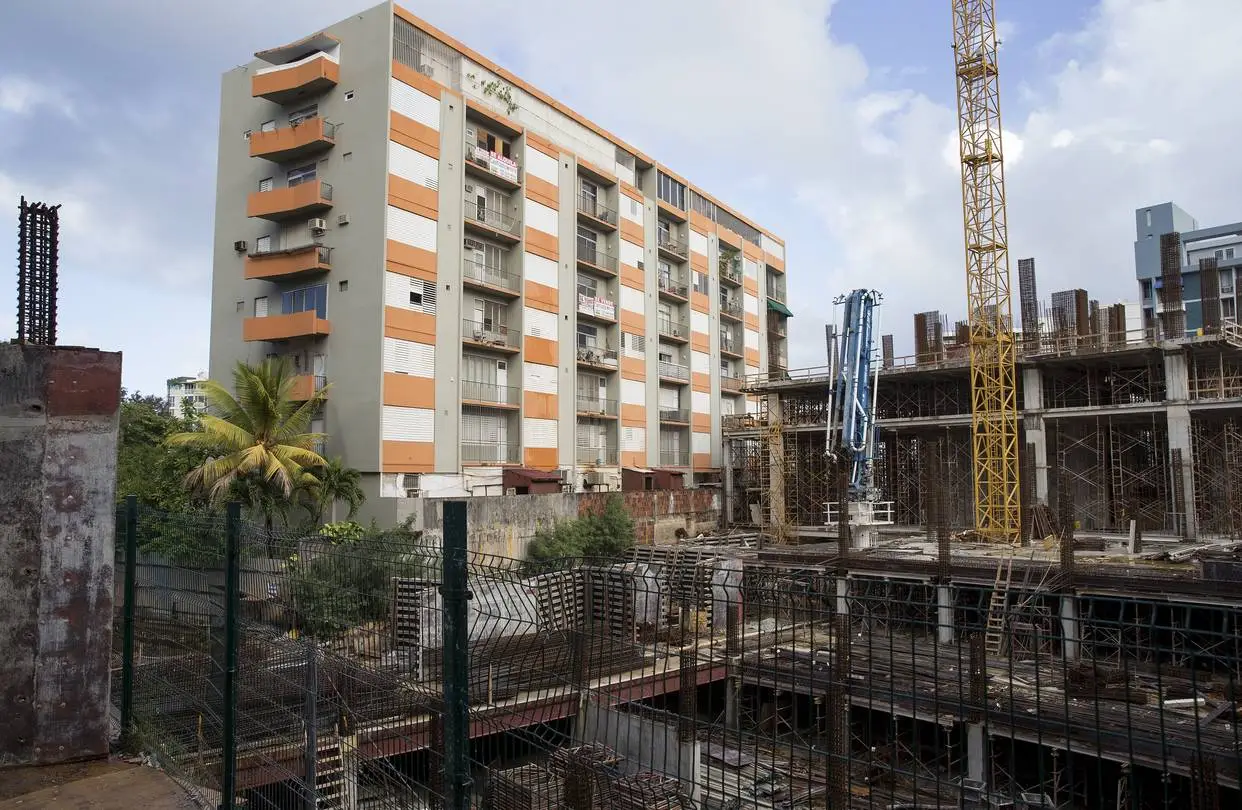
Puerto Rico Housing Crisis Deepens as Home Prices Outpace Incomes
Isabella Romero
May 29, 2026

LUMA to Close Offices in Aibonito, Isabela
Isabella Romero
May 25, 2026
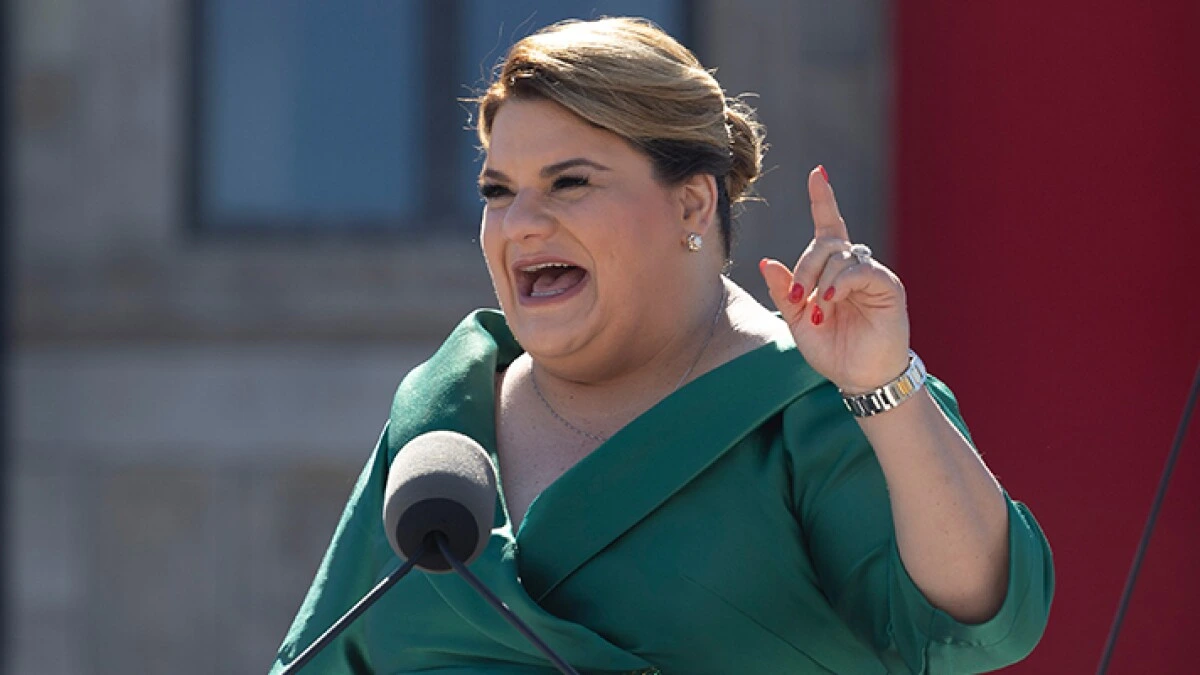
Jenniffer González Confirms Puerto Rico Tax Relief Checks Are Coming
Isabella Romero
May 8, 2026