






Aguada Mayor Denied Sports Court Funds by Oversight Board
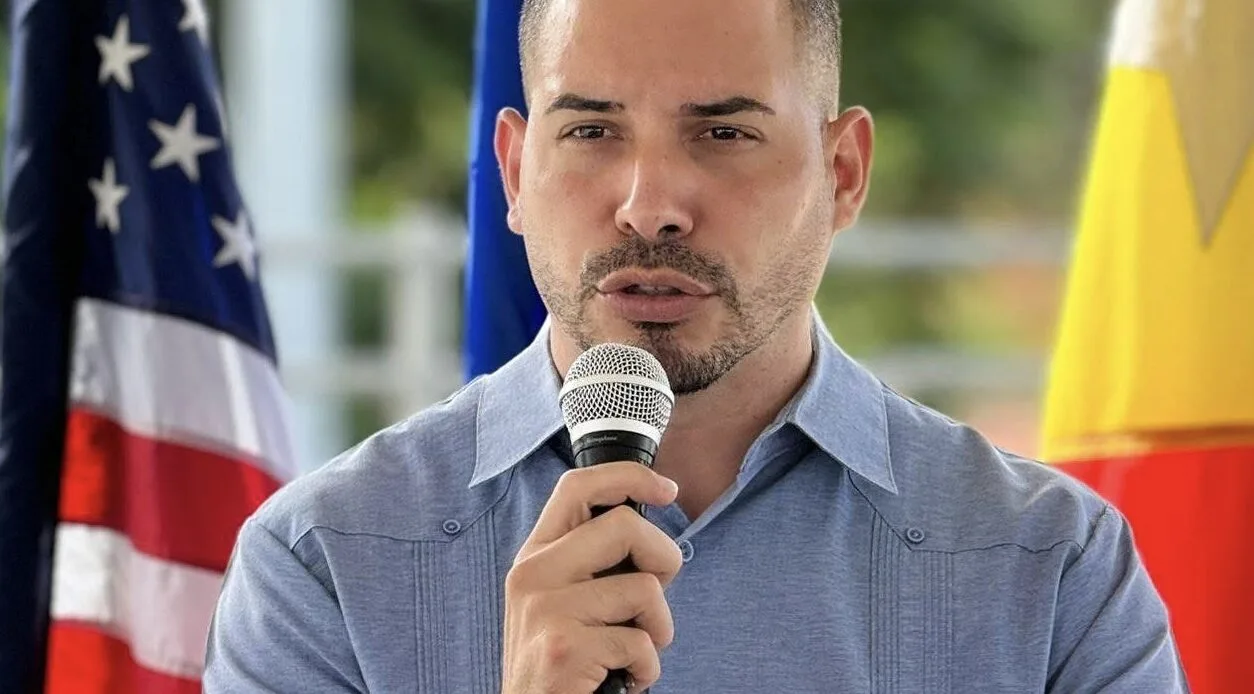
SAN JUAN, PR – The Financial Oversight and Management Board for Puerto Rico, commonly known as 'La Junta,' has informed the municipal government of Aguada that requested funds for the construction of new pickleball and futsal courts are not available. The decision, communicated to Aguada Mayor Christian Cortés Feliciano, highlights the persistent fiscal challenges facing Puerto Rico's municipalities and the strict oversight exercised by the federally appointed body.
Mayor Cortés Feliciano's proposal aimed to enhance recreational infrastructure within the western coastal municipality, catering to the growing popularity of sports like pickleball and futsal. Such projects are often viewed by local leaders as vital for community well-being, youth engagement, and attracting local tourism. However, the Oversight Board's mandate prioritizes fiscal discipline and adherence to the island's certified fiscal plan, often leading to the rejection of projects deemed non-essential or outside approved spending categories.
The Oversight Board was established in 2016 under the Puerto Rico Oversight, Management, and Economic Stability Act (PROMESA). Its primary purpose is to help Puerto Rico restructure its staggering public debt, which exceeded $70 billion at its peak, and restore fiscal responsibility to the island's government. This unprecedented federal intervention effectively placed Puerto Rico's finances under external control, a direct consequence of its unique political status as an unincorporated territory of the United States and years of accumulated fiscal mismanagement.
The Board's powers are extensive, including approving the Commonwealth's annual budgets, certifying fiscal plans for the central government and its instrumentalities, and overseeing significant financial transactions and contracts. This authority often puts the Board at odds with elected officials, both at the Commonwealth and municipal levels, who argue that the Board's austerity measures stifle economic growth and limit their ability to respond to the immediate needs of their constituents.
For municipalities like Aguada, the denial of funds for local projects can be particularly frustrating. Local governments are on the front lines, directly serving residents and addressing their daily needs. While the Board focuses on macro-level fiscal stability, mayors often champion smaller, community-focused initiatives that improve quality of life. The construction of sports facilities, for instance, can provide safe spaces for recreation, promote healthy lifestyles, and foster community cohesion.
The specific fund Aguada sought for the courts was not detailed in the communication from the Board, but such requests typically fall under capital improvement projects or special allocations that must align with the broader fiscal plan. The Board's consistent stance has been to approve only those expenditures deemed essential for government operations or critical to the island's long-term economic recovery, often leaving recreational and less 'essential' infrastructure projects on the back burner.
This incident is emblematic of the ongoing tug-of-war between local autonomy and centralized fiscal control that has defined Puerto Rico's political landscape since PROMESA's enactment. While the Board has made strides in debt restructuring, having successfully guided the Commonwealth out of bankruptcy, its presence continues to be a point of contention for many Puerto Ricans who view it as an unelected body undermining democratic governance and hindering local development.
For the Puerto Rican diaspora in New York and across the U.S., these decisions resonate deeply. Many maintain strong ties to their hometowns on the island and follow closely how governance impacts daily life. The ability of municipalities to invest in their communities directly affects the quality of life for family and friends still living there, and the broader narrative of Puerto Rico's recovery post-Maria and post-bankruptcy.
As Puerto Rico continues its journey toward fiscal stability and economic recovery, the balance between stringent financial oversight and the empowerment of local governments to address community needs remains a critical challenge. The decision regarding Aguada's sports courts serves as a stark reminder that even seemingly small local projects are subject to the overarching fiscal realities imposed by the island's debt crisis and the mechanisms put in place to resolve it.
Related News

DC Scandal's Shadow: Puerto Rico & Federal Trust at Stake
 Ethan Calloway
June 10, 2026
Ethan Calloway
June 10, 2026
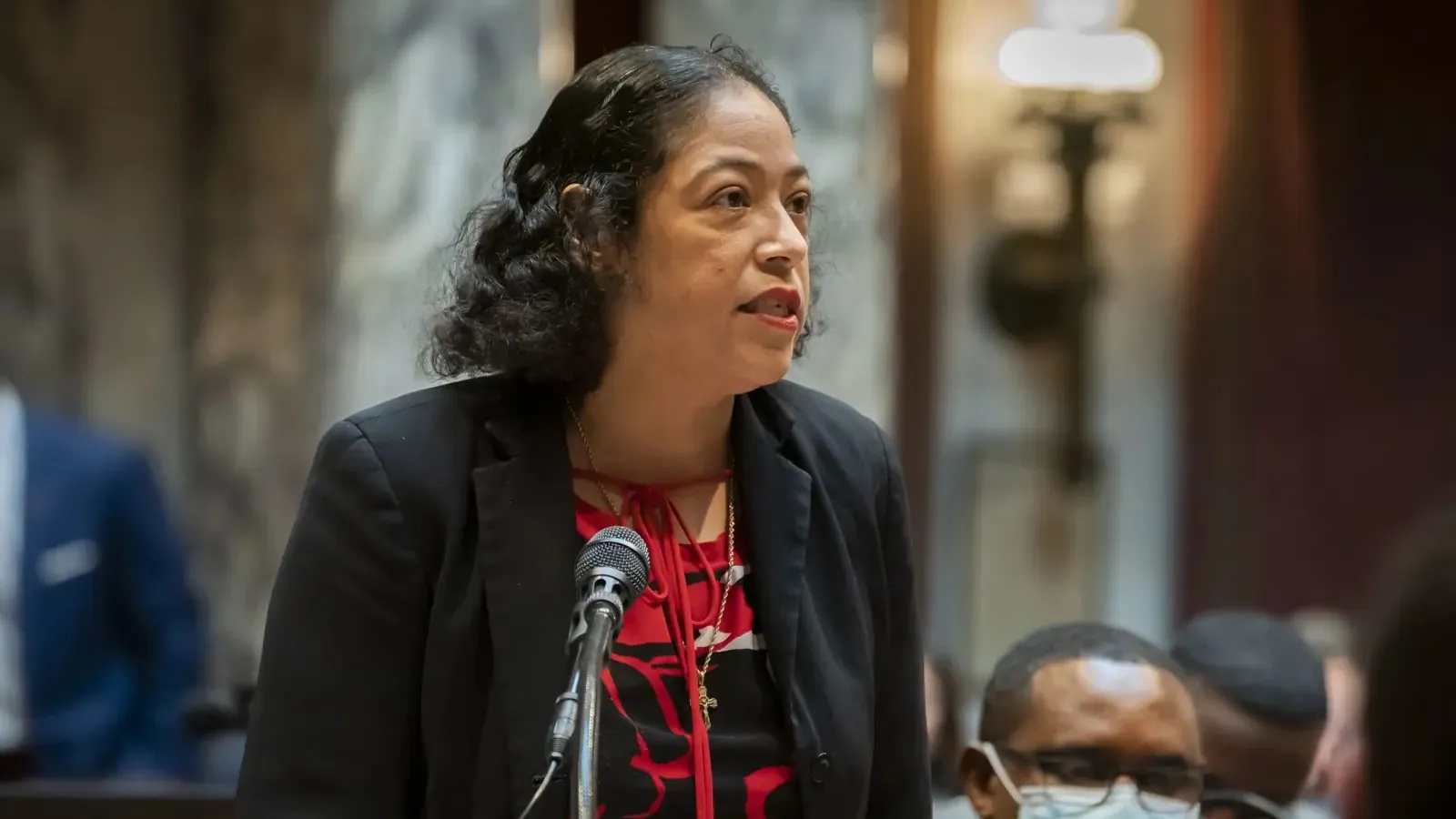
Milwaukee Taps Puerto Rican State Rep for 2026 Parade Honor
Ethan Calloway
June 8, 2026
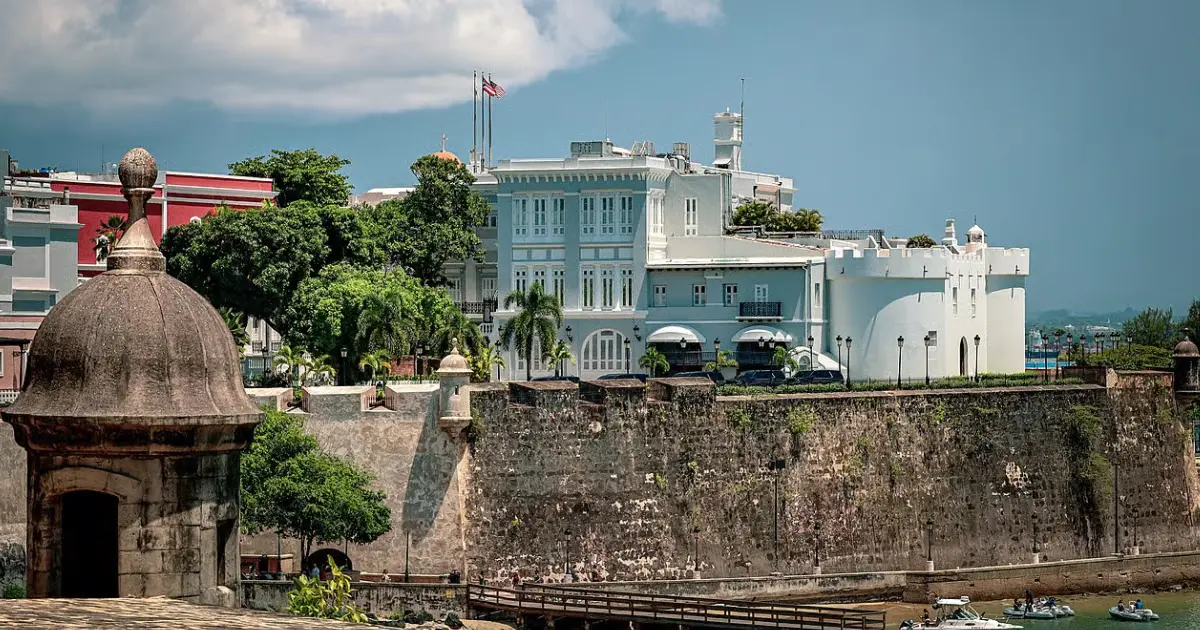
Puerto Rico's Governor Faces New Turmoil After Key…
Ethan Calloway
June 5, 2026

Puerto Rico Coast: Black Hawk Aids Major Cocaine Takedown
Ethan Calloway
June 2, 2026