






Puerto Rico Coast: Black Hawk Aids Major Cocaine Takedown
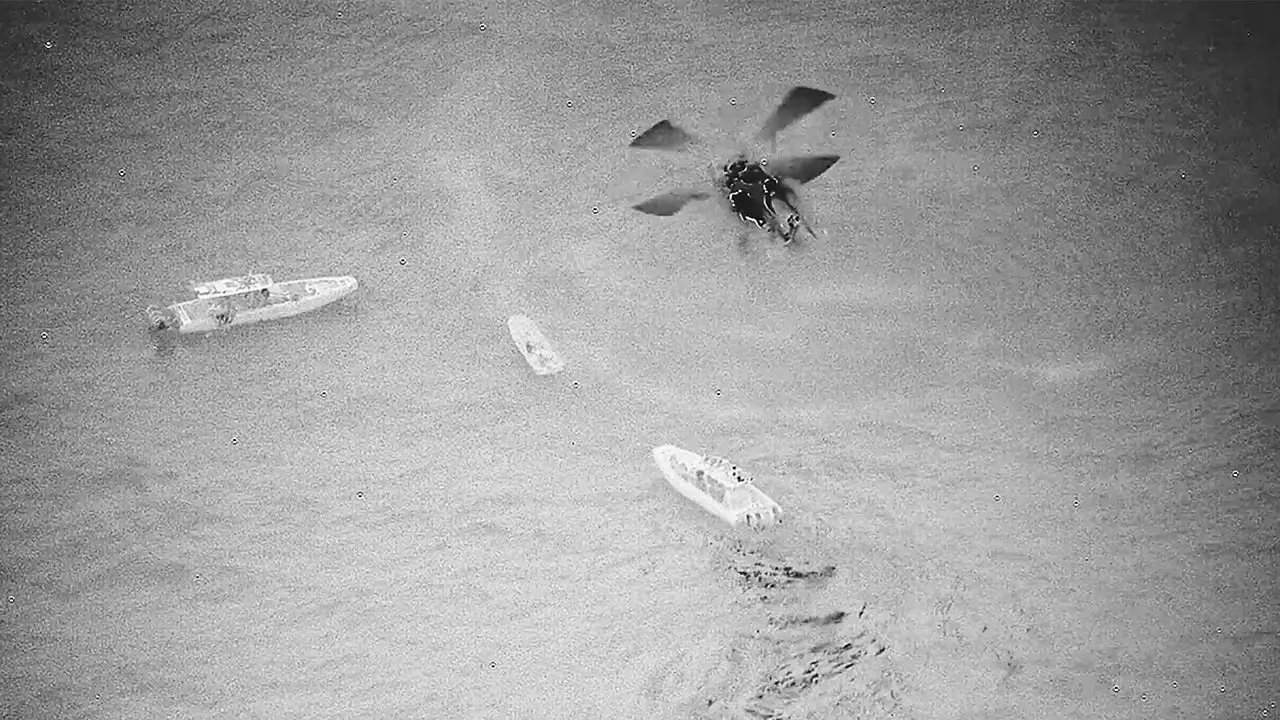
SAN JUAN, PUERTO RICO – A significant drug interdiction operation off the coast of Puerto Rico, involving a U.S. Customs and Border Protection (CBP) Black Hawk helicopter, has resulted in the seizure of a massive quantity of cocaine, underscoring the island’s critical role as a transit point in the illicit drug trade to the U.S. mainland.
The dramatic takedown, which saw federal agents intercept a suspected go-fast vessel carrying an estimated 1,500 kilograms (approximately 3,300 pounds) of cocaine, serves as a stark reminder of the persistent challenges faced by the U.S. territory in its ongoing battle against international drug trafficking. While specific details of the recent operation remain under wraps as investigations proceed, the involvement of advanced aerial assets like the Black Hawk signals a coordinated, high-stakes effort by federal law enforcement.
Puerto Rico's Strategic, Vulnerable Position
Puerto Rico, a U.S. territory, occupies a unique and often precarious geopolitical position. Its location in the northeastern Caribbean Sea places it directly in the path of drug routes originating from South America, particularly Venezuela and Colombia, destined for the lucrative markets of the continental United States. Traffickers exploit the island's status, using it as a transshipment hub to consolidate loads and bypass more heavily patrolled routes around Florida.
The island’s deep historical and cultural ties to the U.S. mainland, including the large Puerto Rican diaspora in New York and other major cities, further complicate enforcement efforts. The ease of travel between Puerto Rico and the continental U.S. – requiring no passports or immigration checks for U.S. citizens – makes it an attractive gateway for drug cartels seeking to penetrate the mainland.
Federal agencies, including the U.S. Coast Guard, Drug Enforcement Administration (DEA), Homeland Security Investigations (HSI), and U.S. Customs and Border Protection (CBP), maintain a robust presence in and around Puerto Rico. Their operations, often conducted in collaboration with local law enforcement, are continuous and multifaceted, involving air, sea, and land assets. The recent Black Hawk assistance highlights the sophisticated resources deployed to counter an increasingly adaptive and well-funded criminal enterprise.
Impact on the Island and the Diaspora
The constant flow of illicit drugs through Puerto Rico has profound implications for the island's society and economy. Beyond the direct law enforcement challenges, it fuels local crime, contributes to addiction rates, and strains public health resources. The shadow economy of drug trafficking often intertwines with legitimate businesses, making it difficult to disentangle and further eroding public trust.
For the Puerto Rican community in New York, news of such large-scale busts resonates deeply. Many New Yorkers have family and friends on the island who are directly impacted by the social ills associated with drug trafficking. The drugs seized off Puerto Rico's coast are often destined for cities like New York, underscoring the interconnectedness of these challenges and the shared responsibility in combating them.
Community leaders and advocates in both Puerto Rico and the diaspora frequently call for a holistic approach to the issue, emphasizing not just interdiction but also economic development, educational opportunities, and robust public health initiatives to address the root causes and consequences of drug abuse and trafficking.
The Ongoing Fight
Despite significant seizures and numerous arrests, the flow of drugs through the Caribbean corridor remains relentless. Cartels continually adapt their methods, using everything from sophisticated submersible vessels to small fishing boats to evade detection. The sheer volume of coastline and maritime territory around Puerto Rico presents an immense challenge for even the most well-equipped law enforcement agencies.
The recent Black Hawk-assisted bust is a testament to the unwavering commitment of federal authorities to disrupt these networks. However, it also serves as a poignant reminder that the battle against drug trafficking in Puerto Rico is a perpetual one, requiring continuous vigilance, international cooperation, and a multifaceted strategy to protect both the island and the broader U.S. mainland from the scourge of illicit narcotics.
As the investigation into this latest seizure continues, it reinforces the narrative of Puerto Rico as a frontline in America's drug war, a territory where geopolitical realities and criminal enterprise constantly clash, with significant ramifications for its residents and the diaspora alike.
Related News

Puerto Rico Economy Chief Resigns Amid Crisis
 Ethan Calloway
May 27, 2026
Ethan Calloway
May 27, 2026
Puerto Rico Governor Sets State of the State Date
Ethan Calloway
May 19, 2026

Puerto Rico Shapes Key New York House Race
Ethan Calloway
May 18, 2026
Four Candidates Enter UN Secretary-General Leadership Race
Ethan Calloway
April 20, 2026