






Puerto Rico Economy Chief Resigns Amid Crisis
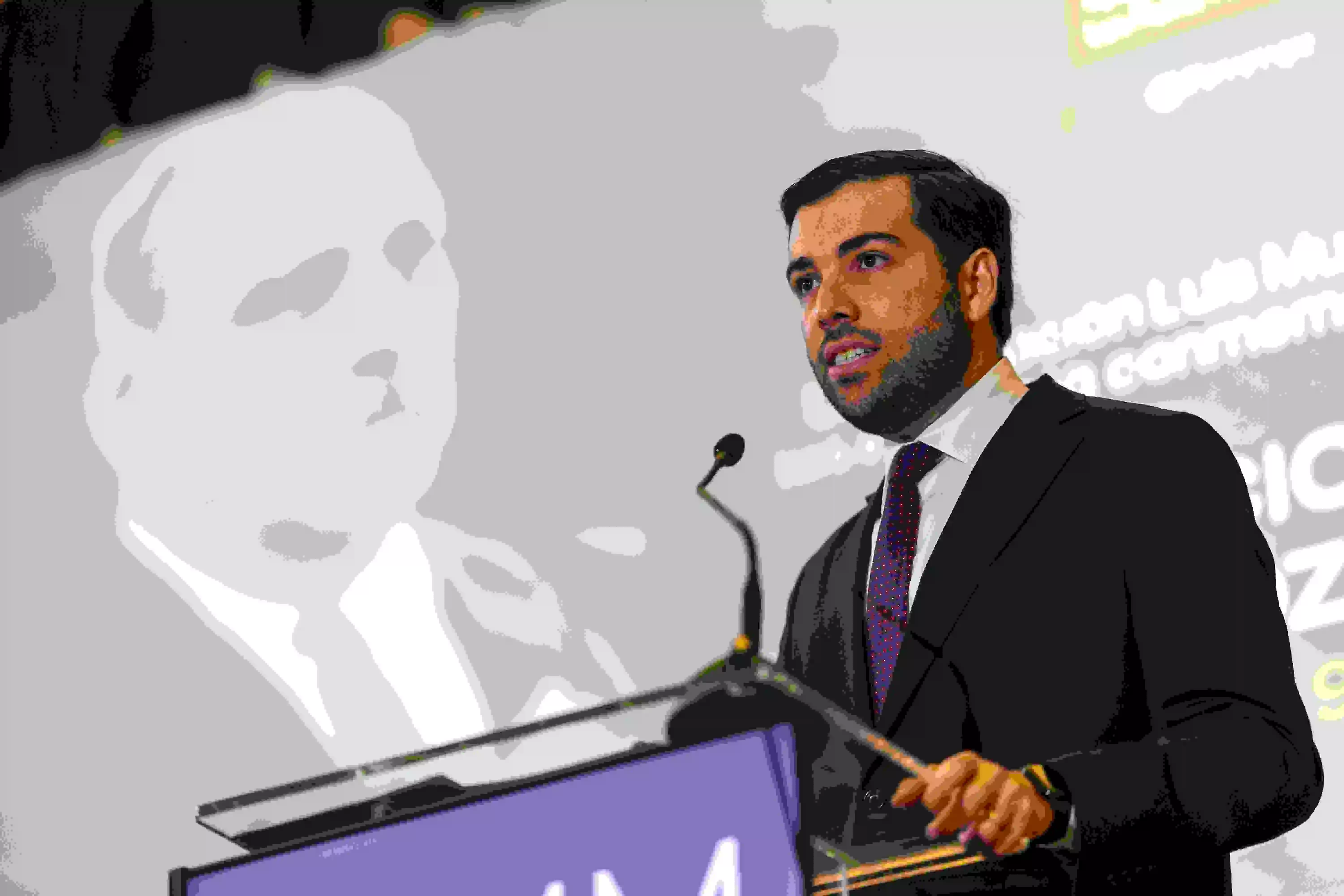
San Juan: Puerto Rico’s Secretary of Economic Development and Commerce, Sebastián Negrón Reichard, resigned after accusing Governor Jenniffer González’s administration of interfering with the agency’s operations and disciplinary processes.
The resignation triggered one of the largest political crises faced by González’s government since taking office and arrived during a critical period for Puerto Rico’s efforts to attract investment and strengthen its fragile economy.
In his resignation statement, Negrón Reichard said the administration reversed disciplinary measures he had imposed after an internal investigation uncovered what he described as improper interventions involving procurement processes.
According to reports, the suspensions involved individuals connected to agency contracting activities, but the government allegedly intervened and overturned the disciplinary decisions.
Negrón Reichard argued that those actions made it impossible for him to continue serving “with integrity and autonomy.”
The resignation immediately caused broader turmoil within the Department of Economic Development and Commerce.
More than 10 senior officials, including the agency’s chief of staff, finance chief and general counsel, also resigned alongside Negrón Reichard.
Their departures raised serious concerns regarding institutional stability inside one of Puerto Rico’s most important economic agencies.
Negrón Reichard additionally claimed that staff members who reported alleged irregularities were left unprotected after the government intervened in the disciplinary process.
He indicated that legal actions could follow but declined to provide additional public details.
Governor Jenniffer González expressed disappointment over the resignation while rejecting allegations that her administration improperly interfered in agency affairs.
She praised Negrón Reichard’s work and argued that Puerto Rico achieved significant economic progress during his tenure.
Mass Resignations Trigger Political Shockwaves
The simultaneous resignations of Negrón Reichard and numerous senior officials created major political shockwaves across Puerto Rico’s government.
Local media described the situation as a “political earthquake” because of both the scale of the departures and the public accusations directed at González’s administration.
The Department of Economic Development and Commerce plays a central role in Puerto Rico’s economic recovery strategy.
The agency oversees investment incentives, manufacturing development and programs designed to attract mainland investors and companies to the U.S. territory.
The sudden loss of much of the department’s senior leadership immediately raised concerns about delays involving major economic initiatives and investor confidence.
Political tensions escalated further after Puerto Rico Senate President Thomás Rivera Schatz publicly criticized the situation.
Although Rivera Schatz belongs to the same pro-statehood political party as González, he described the resignations as “extremely regrettable” and suggested he had already warned the administration about broader internal problems.
Rivera Schatz also hinted that legislative investigations could follow if evidence of wrongdoing emerges.
He stated that if officials present proof of improper conduct, he would pursue accountability aggressively.
His comments exposed growing divisions inside Puerto Rico’s ruling political coalition as scrutiny surrounding the resignations intensified.
The controversy also revived criticism surrounding transparency, political influence and oversight inside Puerto Rican public institutions.
Opposition figures and political analysts argued that the resignations reflected deeper structural problems involving procurement oversight, political appointments and whistleblower protections.
Local reports suggested distrust inside the administration had been growing for months before the resignations became public.
Several officials reportedly believed political interference was undermining agency independence and internal investigations.
Economic Recovery Efforts Face Uncertainty
The crisis erupted during a highly sensitive period for Puerto Rico’s economy as the island continues attempting to recover from years of recession, debt crises and natural disasters.
The Department of Economic Development and Commerce has played a major role in efforts aimed at reviving manufacturing, increasing investment and improving Puerto Rico’s business climate.
Puerto Rico has spent years promoting itself as an attractive destination for technology companies, pharmaceutical manufacturers and wealthy investors seeking tax incentives.
Economic officials also promoted the territory as a strategic location for reshoring manufacturing operations closer to the United States.
Negrón Reichard had been viewed as a key figure in those initiatives.
His resignation therefore raised concerns among investors and business leaders regarding continuity in economic policy and the stability of Puerto Rico’s development strategy.
Bloomberg previously reported that the departures complicated several government initiatives tied to investment attraction and economic expansion.
The controversy also threatens to increase political instability while Puerto Rico remains under close financial oversight following its prolonged debt crisis.
The island continues operating under supervision from the Financial Oversight and Management Board established through the PROMESA law after Puerto Rico’s fiscal collapse.
Economic analysts warned that instability inside major government agencies could undermine efforts to convince investors that Puerto Rico’s institutions remain reliable and transparent.
Investor confidence has already faced challenges in recent years because of fiscal crises, administrative inefficiency and recurring political controversies.
The resignations therefore created concerns extending beyond immediate political fallout.
Business leaders and observers warned that leadership instability inside the economic development agency could delay projects, weaken public trust and complicate Puerto Rico’s broader economic recovery strategy.
Pressure Mounts on González Administration
Governor Jenniffer González now faces mounting political pressure as opposition figures, lawmakers and media outlets continue demanding answers regarding the allegations raised by Negrón Reichard and other departing officials.
Although González denied any improper interference, critics argued that the scale of the resignations suggested deeper problems within the administration.
The controversy is especially significant because González entered office promising stronger economic growth, greater stability and improved government management after years of political turmoil in Puerto Rico.
Her administration has made attracting investment and strengthening relations with business leaders central priorities.
Negrón Reichard’s public accusations therefore represented a serious challenge to the administration’s credibility.
His claims that whistleblowers were left “unprotected” and that political interventions undermined internal investigations intensified scrutiny over transparency and accountability inside the government.
Political observers also noted growing friction inside the ruling New Progressive Party.
Rivera Schatz’s criticism exposed internal divisions despite broad party unity around support for Puerto Rican statehood.
Analysts suggested the controversy could weaken González politically if additional allegations or investigations emerge in the coming weeks.
At the same time, González attempted to contain the political fallout by praising Negrón Reichard’s performance and insisting the administration remained focused on economic progress.
However, the resignations and allegations continued dominating political discussion across Puerto Rico.
The crisis has therefore become one of the first major political tests for González’s administration as legal threats, internal party tensions and economic concerns increasingly converge.
Related News
Four Candidates Enter UN Secretary-General Leadership Race
 Ethan Calloway
April 20, 2026
Ethan Calloway
April 20, 2026
Puerto Rico Governor Sets State of the State Date
Ethan Calloway
May 19, 2026
Puerto Rico Shapes Key New York House Race
Ethan Calloway
May 18, 2026

PR Governor Honours Fallen Hero Capt. Ariana Linse Savino
Ethan Calloway
April 18, 2026