





Four Candidates Enter UN Secretary-General Leadership Race
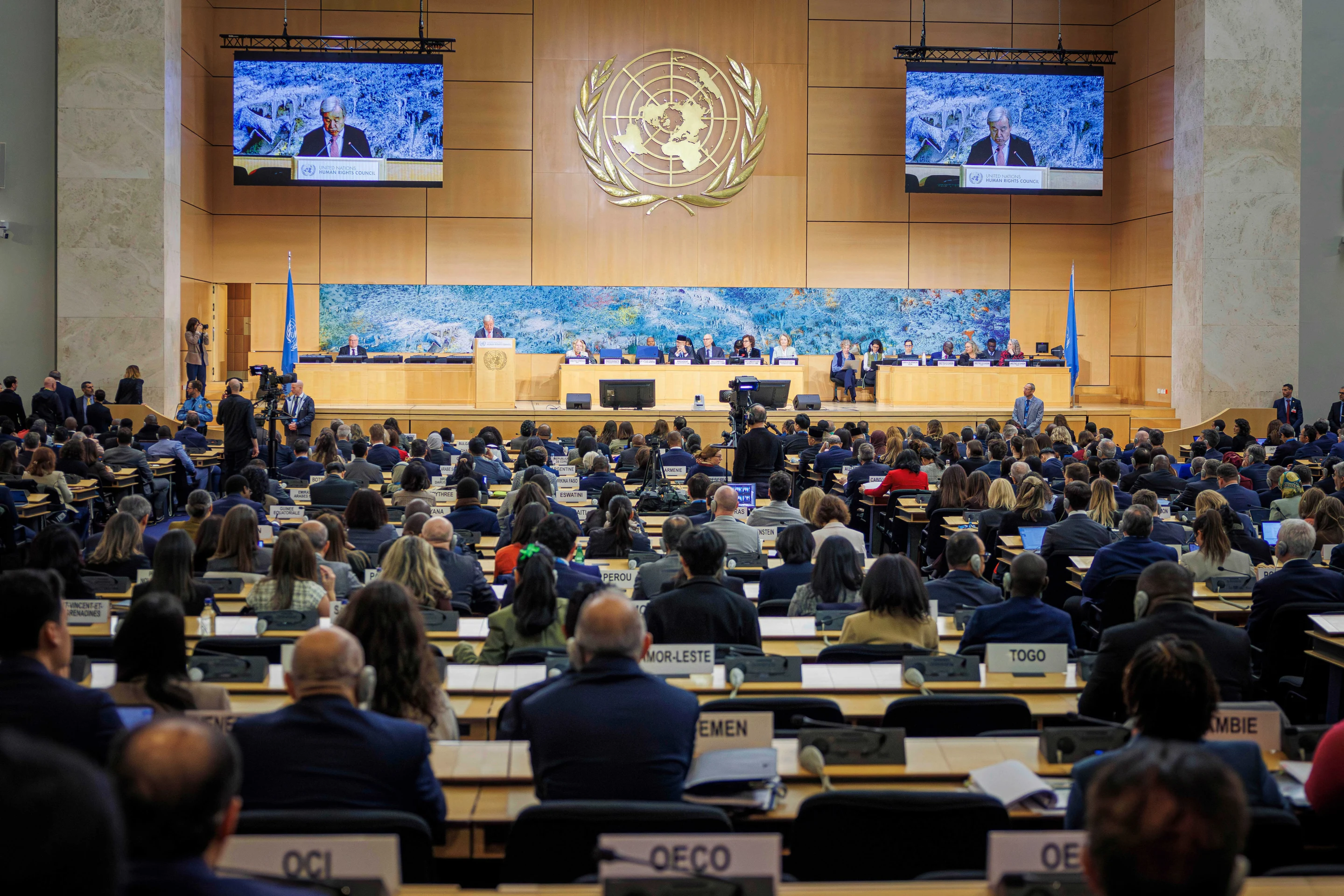
UN Secretary-General Race Opens With Only Four Candidates
The competition to succeed António Guterres as Secretary-General of the United Nations — whose second term expires at the end of 2026 — has produced a notably smaller field than previous contests, with only four candidates formally declared as of April 2026. The limited number of contenders, compared to 13 in the 2016 race, reflects a more cautious global diplomatic environment shaped by deepening geopolitical divisions, strained multilateral relationships, and the increased political risk associated with putting forward a candidate without strong backing from the UN Security Council's five permanent members.
The Four Candidates
The declared candidates are: former Chilean President Michelle Bachelet, who previously served as UN High Commissioner for Human Rights from 2018 to 2022; International Atomic Energy Agency Director General Rafael Mariano Grossi of Argentina; UN Conference on Trade and Development chief Rebeca Grynspan of Costa Rica; and former Senegalese President Macky Sall, who served as head of state from 2012 to 2024. The strong Latin American representation aligns with the informal regional rotation tradition for the Secretary-General position, with the region historically considered "next" in line. Two candidates — Bachelet and Grynspan — would become the first woman to lead the UN if selected, a milestone actively championed by advocacy groups and a number of member states.
Security Council Power and the Path to Selection
Formal selection proceeds through the UN Security Council, where each of the five permanent members — the United States, Russia, China, the United Kingdom, and France — holds veto power. This structure makes geopolitical acceptability across all five P5 members the decisive practical requirement for any successful candidate. The next Secretary-General will inherit a United Nations facing unprecedented challenges: ongoing conflicts in multiple regions, weakened multilateral cooperation, funding pressures from major donor countries, and growing questions about the organisation's effectiveness and credibility.
Related News
Puerto Rico's Governor Faces New Turmoil After Key…
 Ethan Calloway
June 5, 2026
Ethan Calloway
June 5, 2026
Puerto Rico Coast: Black Hawk Aids Major Cocaine Takedown
Ethan Calloway
June 2, 2026
Puerto Rico Economy Chief Resigns Amid Crisis
Ethan Calloway
May 27, 2026
Puerto Rico Governor Sets State of the State Date
Ethan Calloway
May 19, 2026