






Puerto Rico Empowers Citizens in Fight Against Animal Abuse
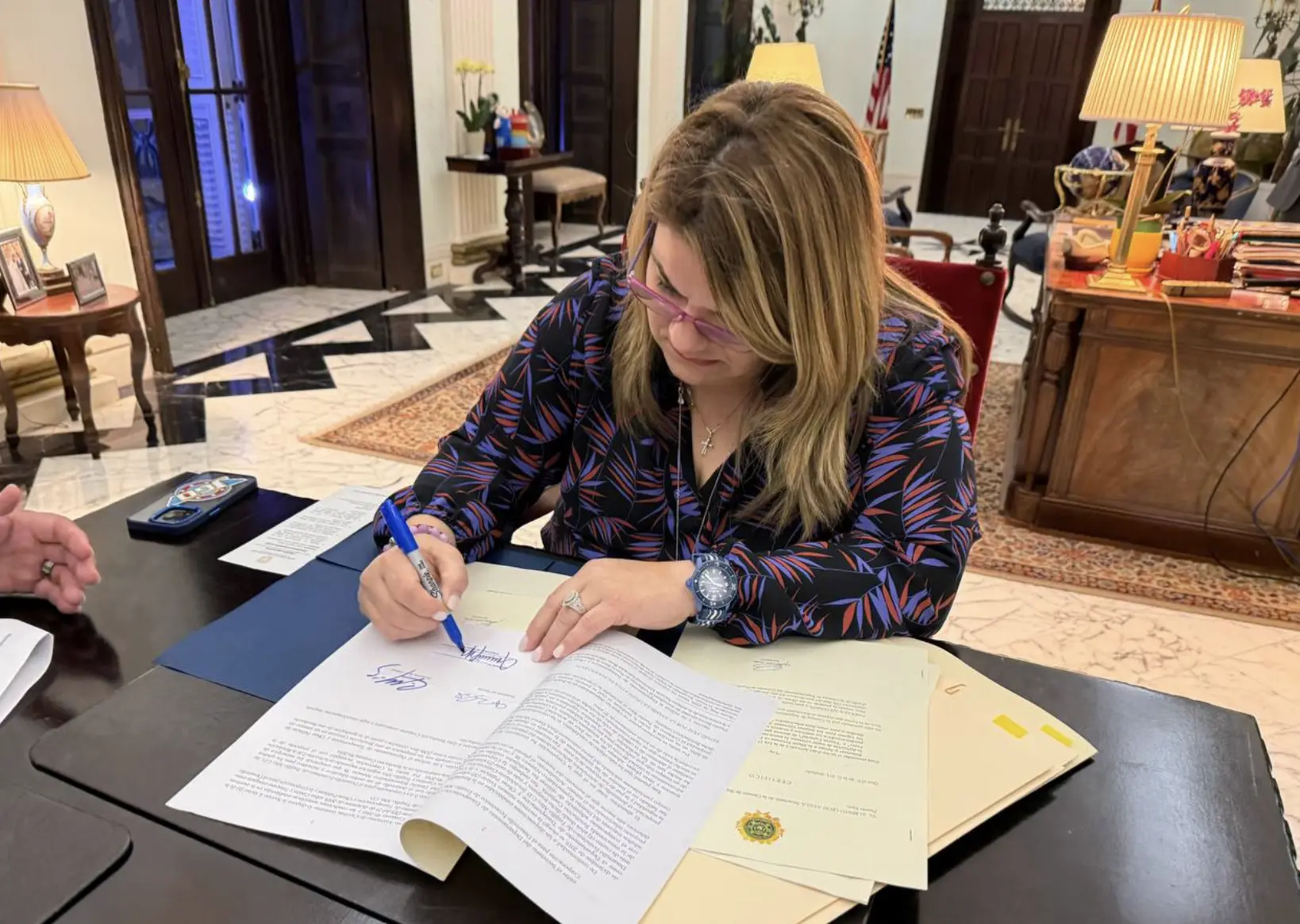
SAN JUAN, Puerto Rico — Puerto Rico's Governor has enacted a significant new law, empowering citizens to intervene directly in cases of animal abuse and neglect. The legislation, signed recently, grants individuals the authority to assume temporary custody of mistreated animals, a move hailed by animal welfare advocates as a crucial step forward in addressing the island's pervasive animal cruelty issues.
This landmark initiative aims to foster greater community involvement and provide a more immediate response mechanism for animals suffering from abuse, a problem that has long plagued the U.S. territory. For a New York readership with deep ties to the island, this development underscores a vital aspect of civil society's role in shaping Puerto Rico's future.
The newly signed law, often referred to informally by its advocates as the "Custody Law," outlines specific procedures for citizens to follow. Upon witnessing or suspecting animal abuse, individuals can now report the incident to authorities and, crucially, may be granted temporary custody of the animal pending an official investigation. This provision is designed to bypass potential bureaucratic delays and ensure the immediate safety and well-being of the animal. It places a significant responsibility on citizens, requiring them to document the abuse, provide initial care, and cooperate with law enforcement and animal control agencies. While the specifics of implementation will evolve, the core principle is clear: the community is now a more direct line of defense for vulnerable animals.
The need for such a law in Puerto Rico is stark. The island faces a severe crisis of stray and abandoned animals, often referred to locally as "satos." Estimates vary, but hundreds of thousands of dogs and cats roam the streets, many suffering from starvation, disease, and abuse. This issue has been exacerbated by economic downturns, the devastation of Hurricane María in 2017, and subsequent natural disasters, which left many families unable to care for their pets or forced them to abandon them during evacuations or financial hardship. Local shelters are chronically overcrowded and underfunded, often operating at capacity with limited resources. Animal cruelty cases, ranging from neglect to extreme violence, frequently make headlines, highlighting a systemic problem that has historically been difficult to prosecute and deter effectively. Previous animal protection laws have existed, but enforcement has often been a challenge, and the ability for citizens to directly intervene was limited.
The passage of this law is the culmination of years of tireless advocacy by local animal welfare organizations and passionate individual activists. Groups like Santuario de Animales San Francisco de Asís, Save a Sato, and countless smaller, grassroots initiatives have consistently pushed for stronger protections and greater accountability for animal abusers. Their efforts have included public awareness campaigns, rescue operations, and lobbying legislators. The Governor's decision to sign this bill underscores a growing recognition within the government of the severity of the animal welfare crisis and the public demand for action. It also reflects a broader trend of civil society groups stepping up to address issues where traditional governmental structures have struggled, a common theme in Puerto Rico's post-disaster recovery and ongoing challenges.
This law is more than just an animal welfare measure; it represents a significant step in empowering civil society and promoting active citizenship in Puerto Rico. In a territory where citizens often feel disempowered by political and economic circumstances, this legislation provides a concrete avenue for direct community action and a sense of collective responsibility. It taps into a deep-seated cultural value of community solidarity, known as ayuda mutua, which has historically been vital for survival and recovery on the island. While the term "sato" often carries connotations of a mixed-breed street dog, it has also become a symbol of resilience and survival in Puerto Rico, mirroring the spirit of many Puerto Ricans themselves. The law encourages a shift from passive observation to active intervention, potentially fostering a more compassionate and engaged society. For the Puerto Rican diaspora in New York and across the U.S., developments like this resonate deeply, reflecting a collective hope for a healthier, more just island, and often inspiring support through donations or volunteer efforts for animal rescue groups back home.
Implementing the new law will not be without its challenges. Questions remain regarding the training of citizens on proper procedure, the capacity of law enforcement to handle an anticipated increase in reports, and the availability of resources for the temporary care of rescued animals. Ensuring the legal framework protects both the animals and the intervening citizens from potential disputes will also be critical. Critics might raise concerns about vigilante action or misinterpretation of the law, necessitating clear guidelines and public education campaigns. However, proponents argue that the benefits of immediate intervention far outweigh these potential hurdles, provided the law is implemented with careful planning and public awareness. The success of this initiative will depend heavily on collaboration between government agencies, animal welfare organizations, and the empowered citizenry.
By allowing citizens to assume temporary custody of abused animals, Puerto Rico has taken a bold and progressive step. This law not only offers a lifeline to countless suffering creatures but also reinforces the power of community action and civic engagement. It signals a new era for animal welfare on the island, moving towards a future where the well-being of all living beings is a shared responsibility, championed by an active and compassionate populace.
Related News
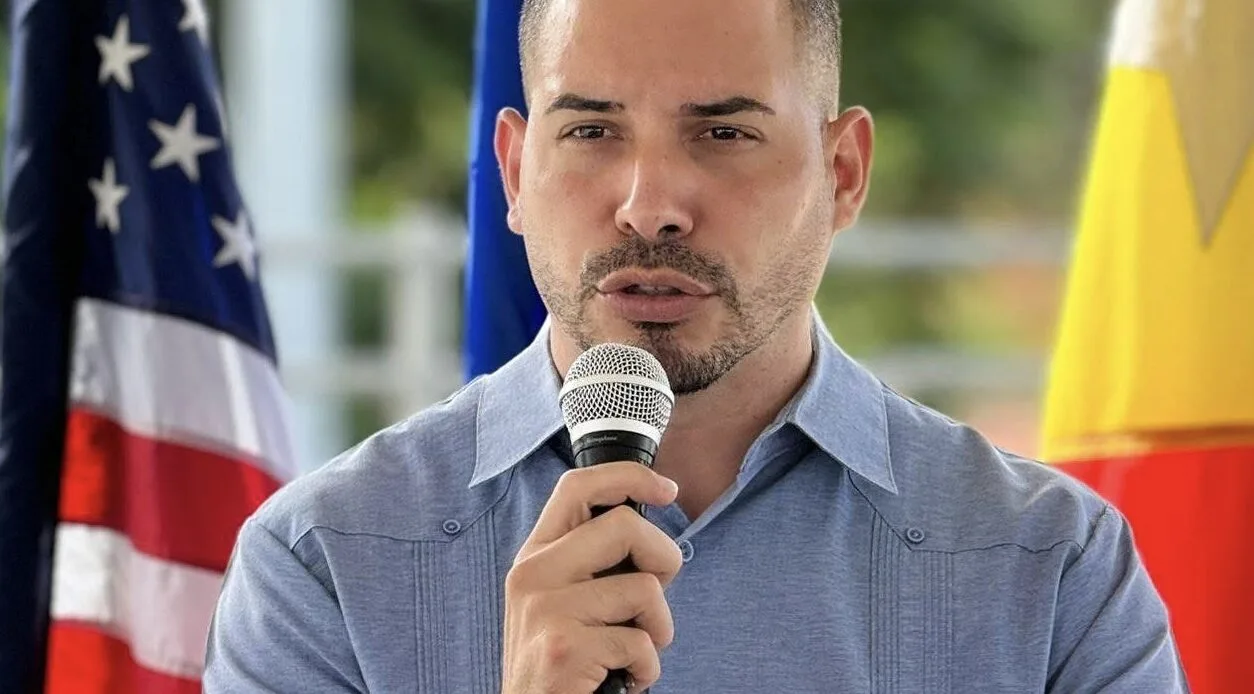
Aguada Mayor Denied Sports Court Funds by Oversight Board
 Ethan Calloway
June 12, 2026
Ethan Calloway
June 12, 2026
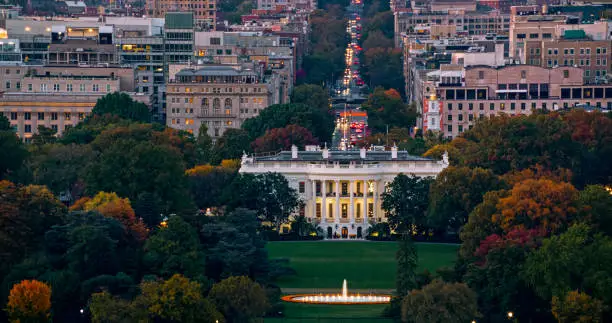
DC Scandal's Shadow: Puerto Rico & Federal Trust at Stake
Ethan Calloway
June 10, 2026
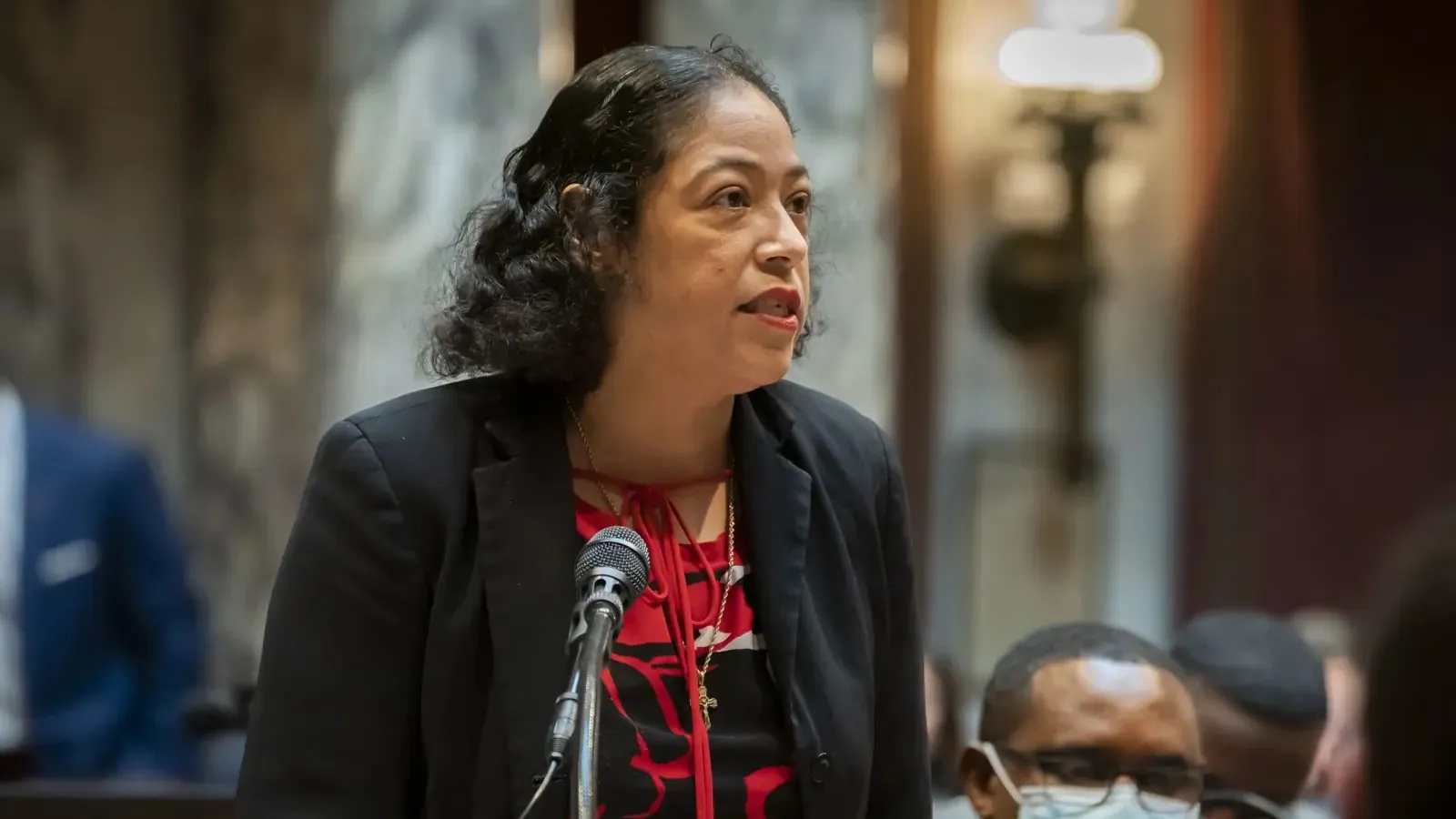
Milwaukee Taps Puerto Rican State Rep for 2026 Parade Honor
Ethan Calloway
June 8, 2026

Puerto Rico's Governor Faces New Turmoil After Key…
Ethan Calloway
June 5, 2026