





Pope Leo XIV and Trump Clash in Church-State Confrontation
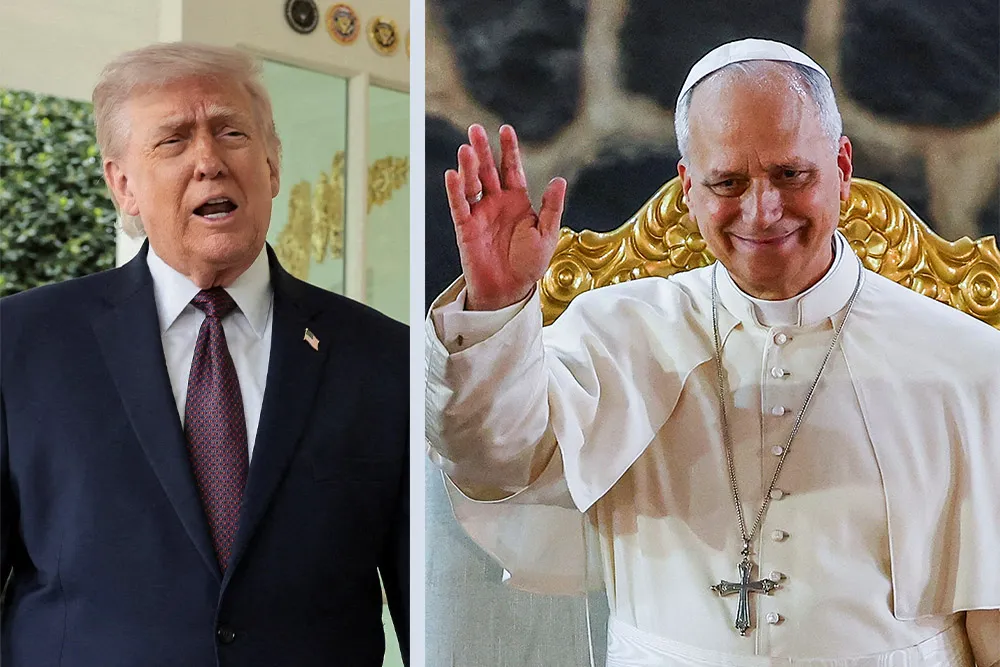
Pope Leo XIV Confronts President Trump on Policy and Principle
A notable and unusually direct public confrontation developed between Pope Leo XIV and President Donald Trump in April 2026, when the pontiff issued explicit criticism of positions taken by the Trump administration — a rare example of direct papal commentary on a sitting US president's policies. Trump responded characteristically through social media, attacking the pope and, in a claim dismissed immediately by religious observers and Vatican scholars alike, asserting that he deserved personal credit for Pope Leo XIV's elevation to the papacy — a claim that has no basis in how the Catholic Church's papal conclave selection process operates.
Who Is Pope Leo XIV
Pope Leo XIV assumed the papacy in 2025 following the death of Pope Francis, who had led the Catholic Church since 2013. Like his predecessor, Pope Leo XIV has established himself as a pontiff willing to engage directly and publicly with issues of global justice, human rights, migration, environmental stewardship, and the treatment of economically marginalised communities. His willingness to challenge powerful political leaders on moral grounds has generated both admiration from progressive Catholics and significant controversy among more conservative political and religious constituencies, particularly in the United States.
Significance for Puerto Rico's Catholic Community
Puerto Rico is an overwhelmingly Roman Catholic society, with the Catholic Church playing a central institutional role in education, healthcare, social services, and community life across the island. Over 70% of Puerto Ricans identify as Catholic, and the Church's network of schools, hospitals, and social welfare organisations represents one of the most significant non-governmental service delivery infrastructures in Puerto Rican civil society. The tensions between the papacy and the Trump administration therefore carry particular resonance for Puerto Rican Catholics, for whom immigration, poverty, social justice, and the dignity of marginalised communities are deeply felt issues shaped by both religious conviction and personal experience of life in a US territory navigating a complex political relationship with the federal government.
Related News
Puerto Rico Governor Promises Power Relief
 Julian Brooks
May 22, 2026
Julian Brooks
May 22, 2026
Puerto Rico Alarmed by Massive WhatsApp Groups
Julian Brooks
May 21, 2026
Puerto Rico Court Orders UPR Reopening
Julian Brooks
May 12, 2026
UPR Reports 1,147 Admission Cancellations
Julian Brooks
April 30, 2026