






US-Iran Conflict Enters New Phase as Trump Weighs Diplomacy
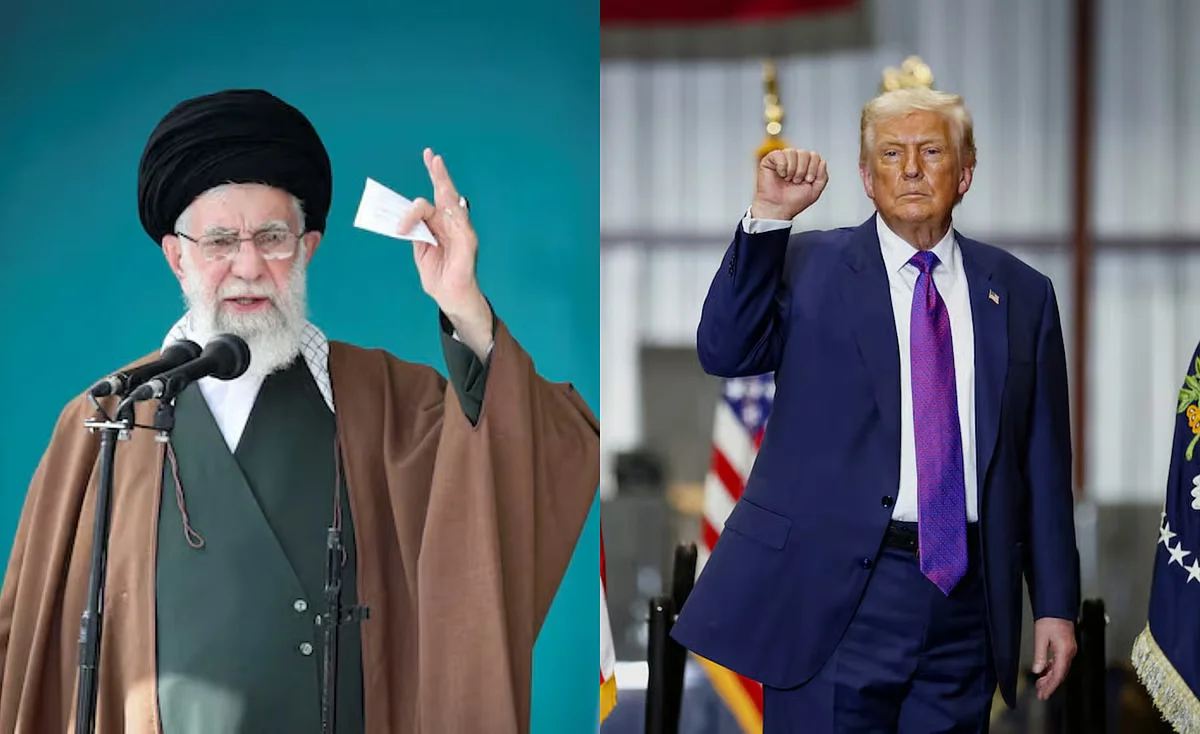
US-Iran Conflict Reaches Critical Juncture in 2026
The military conflict between the United States and Iran escalated significantly in early 2026, with US military operations against Iranian targets resulting in substantial American casualties and producing the largest energy market disruption in modern history, according to analysts tracking the geopolitical and economic consequences of the confrontation. US military personnel lost in the conflict have included service members from across the country, among them Puerto Rican Air Force pilot Captain Ariana G. Linse Savino, who died on March 12, 2026, in a non-combat aircraft accident involving a KC-135 Stratotanker over Iranian territory.
The Scale of the Conflict
Reporting indicates that 13 US military personnel have been killed in connection with the US-Iran conflict, with an additional 365 military members injured, reflecting the significant human cost of operations that have involved strikes on Iranian military and nuclear facilities. The conflict has also caused severe disruptions to the Strait of Hormuz, through which approximately 20% of the world's traded oil passes, driving global energy prices to levels that the IMF described in its April 2026 World Economic Outlook as representing a fundamental threat to global economic stability. President Trump has faced difficult choices between continuing military pressure on Tehran and pursuing diplomatic negotiations over Iran's nuclear programme.
Puerto Rico's Sacrifice and Economic Consequences
For Puerto Rico, the conflict has both a deeply personal dimension — through the death of Capt. Linse Savino, honoured posthumously by Governor González Colón with the Governor's Medal for Valor and Patriotism — and immediate practical economic consequences. As an island that imports virtually all of its petroleum products and faces near-zero economic growth in 2026, the global energy price shock driven by Middle East conflict compounds the already severe challenges of the LUMA Energy grid crisis, the cancellation of $815 million in solar funding, and the broader economic stagnation driven by tariff-related uncertainty.
Related News

Puerto Rico Governor Promises Power Relief
 Julian Brooks
May 22, 2026
Julian Brooks
May 22, 2026

Puerto Rico Alarmed by Massive WhatsApp Groups
Julian Brooks
May 21, 2026
Puerto Rico Court Orders UPR Reopening
Julian Brooks
May 12, 2026

UPR Reports 1,147 Admission Cancellations
Julian Brooks
April 30, 2026