





Venezuela Earthquake Death Toll Rises to 235 as Rescue Efforts Continue
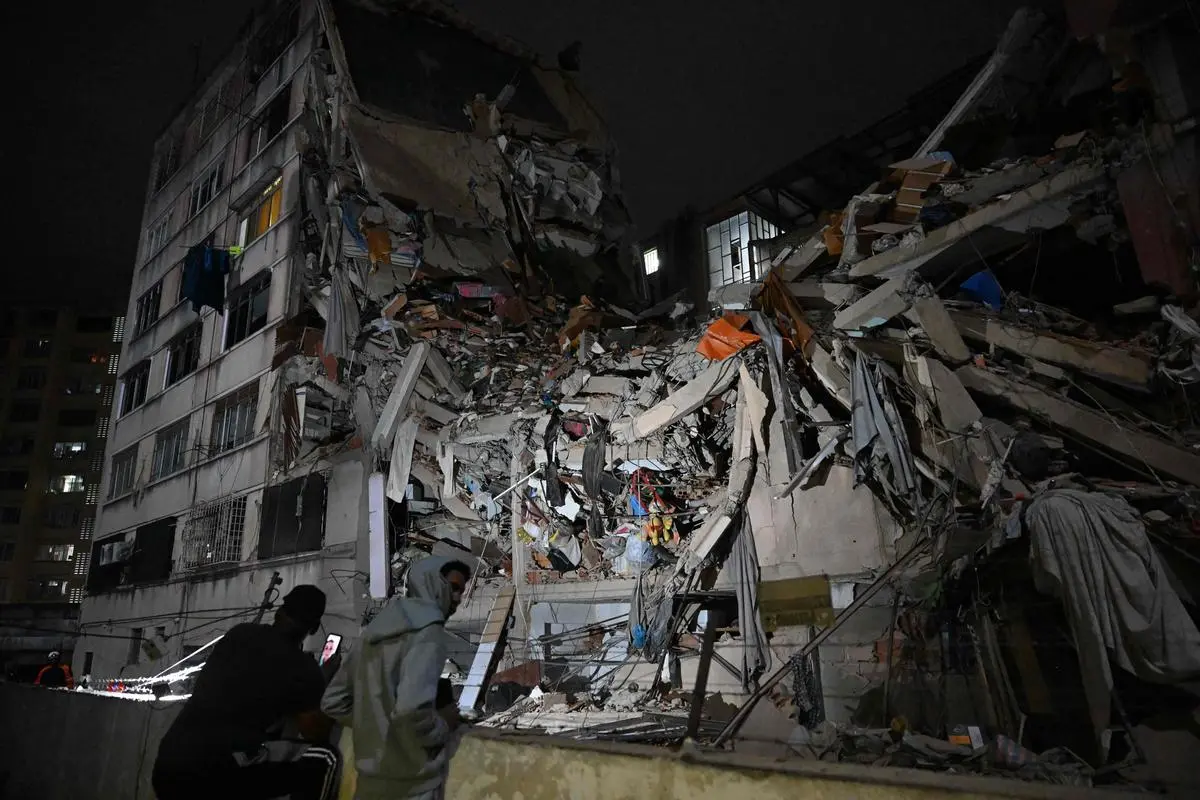
Caracas: The death toll from the twin earthquakes that struck northern Venezuela has climbed to 235 as rescue teams continue searching collapsed buildings and devastated coastal communities for survivors.
The powerful earthquakes struck near Caracas and La Guaira, leaving widespread destruction across residential neighborhoods, transportation corridors and coastal settlements.
Authorities said the situation remains fluid as communication outages continue affecting several of the hardest-hit areas, making it difficult to fully assess the extent of the damage.
Emergency officials warned that casualty figures could continue to rise as rescue crews reach communities that remain isolated by damaged infrastructure and blocked roads.
Entire apartment buildings have collapsed in some districts, while critical infrastructure has suffered extensive damage, disrupting transportation, electricity and communications.
Officials said emergency response operations remain focused on locating survivors trapped beneath collapsed structures while providing assistance to thousands of displaced residents.
Rescue Teams Continue Searching for Survivors
Search and rescue operations remain underway across the worst-affected areas as emergency responders, military personnel and volunteers continue clearing debris from collapsed buildings.
Heavy machinery has been deployed to assist rescue efforts, although unstable structures, blocked access roads and continuous aftershocks have slowed progress in several locations.
Rescue crews have been forced to pause operations repeatedly whenever aftershocks are detected because weakened buildings remain at risk of further collapse.
Authorities said apartment complexes, schools and public buildings remain priority locations where survivors could still be trapped beneath rubble.
Medical teams continue treating hundreds of injured residents as hospitals struggle to cope with the growing number of patients arriving from disaster zones.
Temporary shelters have been established across affected communities to house families whose homes were destroyed or deemed unsafe following structural inspections.
Emergency officials urged residents to avoid damaged buildings until engineers complete safety assessments.
Caracas and La Guaira Suffer Extensive Damage
The coastal state of La Guaira and several districts surrounding Caracas have experienced the most severe destruction following the earthquakes.
Residents described violent shaking that caused buildings to collapse within seconds, forcing thousands to flee into streets and open spaces.
Entire neighborhoods have been left without essential services as authorities work to restore electricity, water supplies and transportation links.
Road damage and debris continue to hamper emergency operations in several communities.
Many displaced families remain in temporary shelters or with relatives while structural engineers evaluate damaged homes and apartment buildings.
Officials warned that rebuilding efforts will likely take months given the scale of destruction across affected urban and coastal areas.
Recovery operations are expected to include extensive repairs to transportation infrastructure, utilities and public facilities damaged during the earthquakes.
Emergency Response Expands as Aid Arrives
National authorities have expanded emergency operations as the full scale of the disaster becomes clearer.
Government agencies are coordinating rescue efforts alongside humanitarian organizations that have begun delivering emergency assistance to affected communities.
Aid shipments include medical supplies, emergency shelter materials, food, water and logistical support for rescue teams working in disaster zones.
Humanitarian organizations warned that damaged infrastructure and continuing seismic activity are making relief operations more challenging than anticipated.
Officials said restoring critical services remains a priority alongside ongoing rescue missions.
The earthquakes occurred in a region with a long history of seismic activity, as northern Venezuela lies near active geological fault systems capable of generating powerful earthquakes.
Aftershocks Continue as Recovery Begins
Authorities cautioned that casualty figures may continue changing as emergency crews reach isolated communities and complete searches of collapsed structures.
Frequent aftershocks continue to threaten rescue operations and complicate recovery efforts throughout northern Venezuela.
Engineers are working to stabilize damaged infrastructure while emergency personnel continue searching areas where survivors may still be trapped.
Officials acknowledged that recovery will extend well beyond the immediate emergency phase as affected communities begin rebuilding homes, infrastructure and public services.
The disaster has left thousands displaced and caused significant damage across northern Venezuela, with authorities warning that reconstruction efforts are likely to continue for months as communities recover from one of the country's deadliest recent earthquakes.
Related News
Ponce Diocese Welcomes New Bishop from Vatican Amidst Crisis
 Julian Brooks
June 25, 2026
Julian Brooks
June 25, 2026
Venezuela Quakes Echo 2020 for Puerto Rico: Preparedness…
Julian Brooks
June 25, 2026

Puerto Rico Governor Promises Power Relief
Julian Brooks
May 22, 2026

Puerto Rico Alarmed by Massive WhatsApp Groups
Julian Brooks
May 21, 2026