University Engineering Co-Op Students Earn Record $99.5 Million as Industrial Tech Employers Compete for Applied Talent
Cooperative university education programs in the United States recorded historic aggregate student earnings of $99.5 million as aerospace, semiconductor, and clean-tech employers aggressively recruit applied undergraduate engineers.
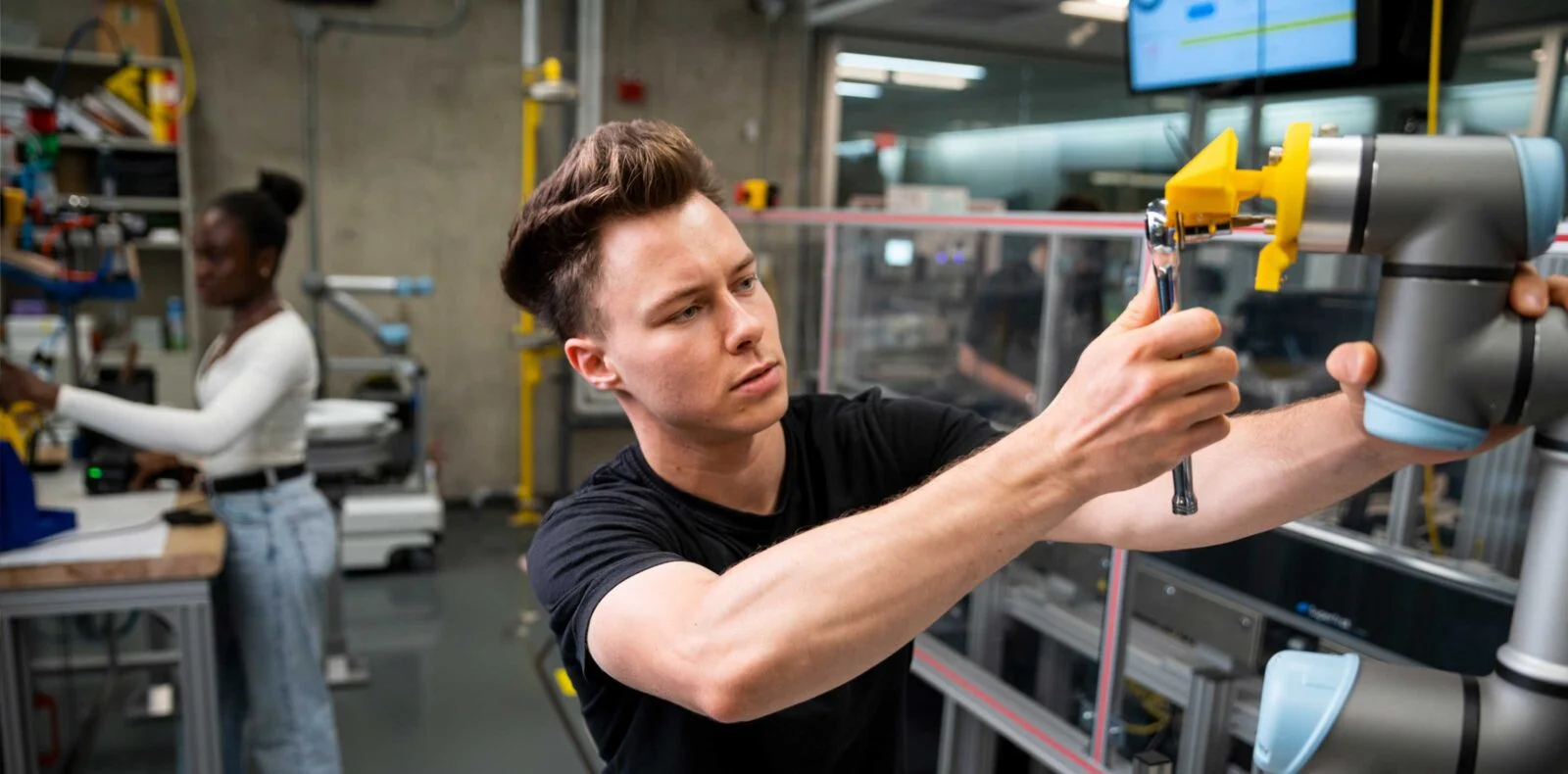
- Aggregate earnings for university engineering co-op students reach an all-time high of $99.5 million.
- Average hourly compensation rises to $34.50 as semiconductor and aerospace manufacturers compete for talent.
- Cooperative education models expand across Midwest and Sun Belt high-tech manufacturing corridors.
BOSTON & PITTSBURGH — In an encouraging indicator of robust industrial demand for applied engineering expertise, collegiate cooperative education consortiums across the United States reported Monday that undergraduate engineering students earned an aggregate $99.5 million in paid professional work placements over the past academic year. The milestone represents a fourteen percent year-over-year surge in total compensation, propelled by intense corporate competition among semiconductor fabricators, commercial aerospace manufacturers, and advanced robotics enterprises.
University cooperative education programs—which alternate full-time academic coursework with six-month paid corporate rotations at major enterprise engineering facilities—have seen an unprecedented resurgence across institutions such as Northeastern, Purdue, Georgia Tech, and Carnegie Mellon. Industrial employers facing demographic retirements and accelerated domestic reshoring mandates have increasingly utilized structured co-op partnerships as their primary pipeline for securing junior talent before graduation.
Data published in the National Association of Colleges and Employers (NACE) annual compensation survey demonstrated that median hourly wages for engineering co-op students reached an all-time high of $34.50 per hour, with specialized roles in silicon lithography, autonomous vehicle firmware, and biopharmaceutical bioprocess engineering commanding wages upwards of $45 per hour plus housing stipends. Corporate human resources executives noted that students completing multiple co-op rotations exhibit dramatically lower early-career attrition and transition seamlessly into complex engineering project teams.
With multi-billion-dollar domestic semiconductor facilities under construction across Ohio, Arizona, and New York, university deans confirmed that corporate sponsorships for dedicated cooperative engineering tracks have expanded significantly, establishing a sustainable bridge between rigorous academic research and the demands of modern industrial manufacturing.
Congressional testimony scheduled for later this month is expected to address cross-agency coordination, focusing specifically on supply chain resiliency, sovereign compute clusters, and long-term capital allocation strategies designed to safeguard domestic competitiveness.