






Puerto Rico Fortifies Fuel Supply for Hurricane Season
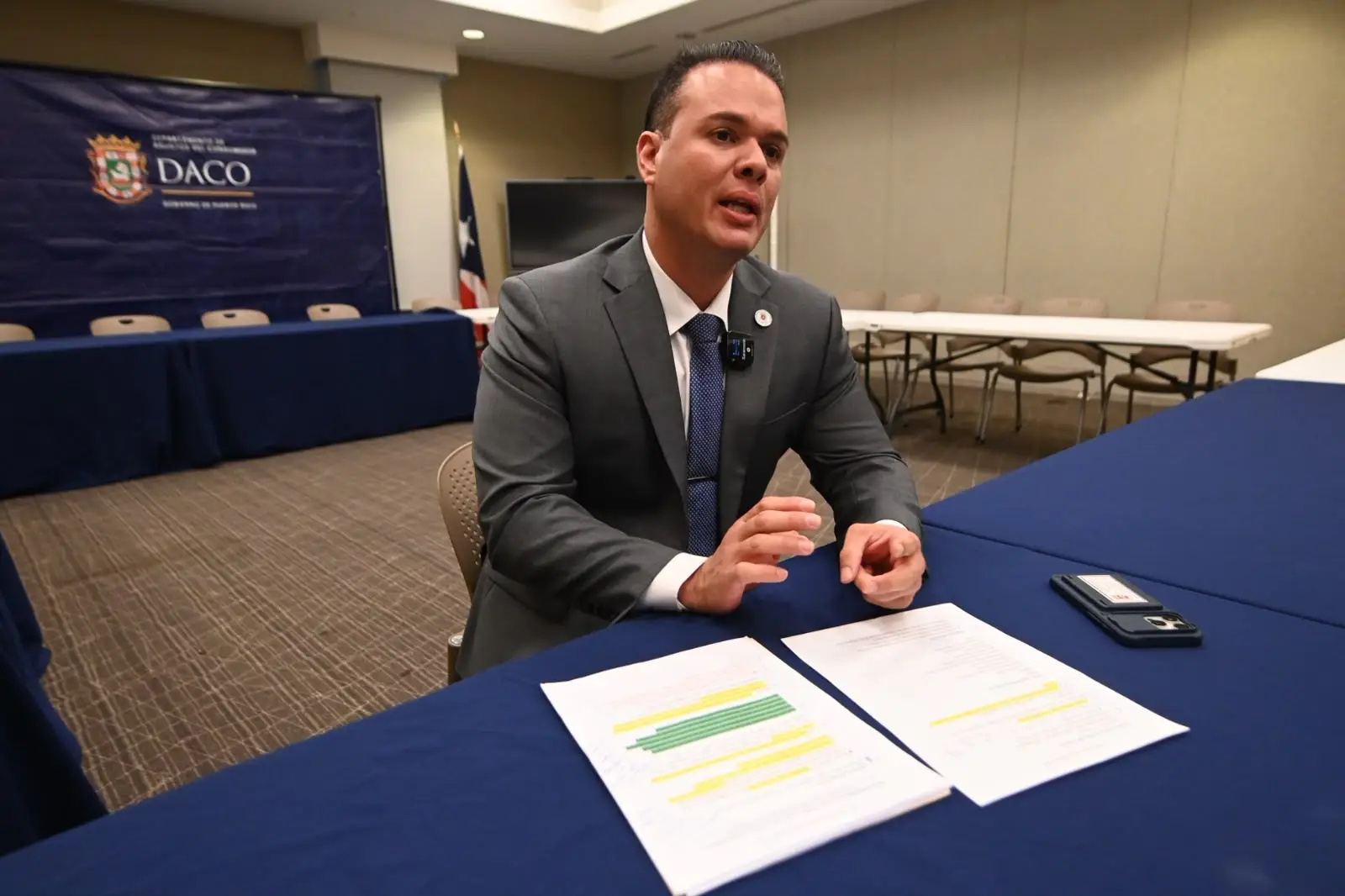
SAN JUAN, PR – As the Atlantic hurricane season approaches, bringing with it the perennial threat of powerful storms, Puerto Rico is taking proactive steps to fortify one of its most critical vulnerabilities: the fuel supply. The island's Department of Consumer Affairs (DACO), led by Secretary Lisoannette González Ruiz, is spearheading a robust alliance designed to ensure the continuous availability and fair pricing of fuel during potential emergencies.
For many New Yorkers with deep roots in Puerto Rico, the specter of hurricane season evokes vivid, painful memories. The devastating impact of Hurricane Maria in 2017, followed by Hurricane Fiona in 2022, laid bare the fragility of the island's infrastructure, particularly its energy and supply chains. Fuel shortages became a harrowing reality, crippling recovery efforts, silencing generators vital for power and medical equipment, and bringing daily life to a grinding halt. This new alliance represents a direct response to those hard-learned lessons, aiming to prevent a repeat of past crises.
Secretary González Ruiz emphasized the multi-sectoral nature of this vital collaboration. “Protecting our fuel supply is not just a DACO responsibility; it’s a collective effort,” she stated. The alliance brings together key government entities such as the Department of Public Safety (DSP) and the Puerto Rico Energy Bureau (NEPR), alongside major fuel distributors, gas station owners, and even federal partners like the Federal Emergency Management Agency (FEMA). This comprehensive approach seeks to create a unified front against the logistical nightmares and predatory practices that often emerge in the wake of a natural disaster.
The urgency of this initiative cannot be overstated. Puerto Rico, as a U.S. territory, relies almost entirely on imported fuel. This dependency makes its supply chain particularly susceptible to disruptions caused by severe weather. During Maria, damaged ports, impassable roads, and a lack of communication meant that even when fuel arrived on the island, it couldn't reach the gas stations or the generators powering homes and hospitals. Lines at the few operational stations stretched for miles, and price gouging became a rampant issue, further burdening an already suffering population.
Under the new alliance, several key strategies are being implemented. Firstly, DACO will intensify its monitoring of fuel inventory levels across the island, from major import terminals to local gas stations. This real-time data will allow authorities to identify potential bottlenecks or shortages before they become critical. Secondly, strict enforcement mechanisms will be in place to combat price gouging. DACO has the authority to impose price freezes during emergencies, and this alliance will ensure rapid response to any illicit increases, protecting consumers from exploitation.
Beyond monitoring and price control, the alliance is focusing heavily on logistics and distribution. Emergency protocols are being established, including pre-positioned fuel reserves, secure transportation routes for fuel trucks, and coordinated efforts with law enforcement to ensure the safe delivery of supplies. Special attention is also being given to critical facilities such as hospitals, emergency shelters, and water pumping stations, ensuring they have priority access to fuel for their generators.
The broader implications of a secure fuel supply extend far beyond mere convenience. It is fundamental to the island's economic stability, public health, and overall resilience. When fuel is scarce, businesses cannot operate, emergency services are hampered, and access to essential goods and services becomes severely limited. For the Puerto Rican diaspora in New York, knowing that their families on the island have a better chance of maintaining power, communicating, and accessing necessities during a storm provides a crucial sense of relief and security.
This proactive stance by DACO and its partners reflects a deeper commitment to building a more resilient Puerto Rico. While the unique political status of the island often means a complex interplay between local governance and federal assistance, initiatives like this demonstrate a concerted effort by local agencies to take charge of their preparedness. It’s a recognition that while storms are inevitable, their devastating impacts can be mitigated through careful planning, robust collaboration, and a unwavering focus on protecting the most vulnerable.
As the island braces for another hurricane season, the DACO-led alliance offers a beacon of hope, signaling a more prepared and coordinated approach to safeguarding Puerto Rico’s energy future. For those watching from afar, it’s a testament to the enduring spirit of the island and its continuous efforts to adapt and overcome the challenges posed by a changing climate.
Related News
Dow Jones Highs: What It Means for Puerto Rico's Economy
 Isabella Romero
June 17, 2026
Isabella Romero
June 17, 2026
Puerto Rico Pours $216M into Vital Water Infrastructure
Isabella Romero
June 11, 2026
Speculators Flock to Puerto Rico, Sparking Hope & Concern
Isabella Romero
June 10, 2026
Puerto Rico Senate Moves to Bolster Debtor Protections
Isabella Romero
June 4, 2026