






Puerto Rico Pours $216M into Vital Water Infrastructure
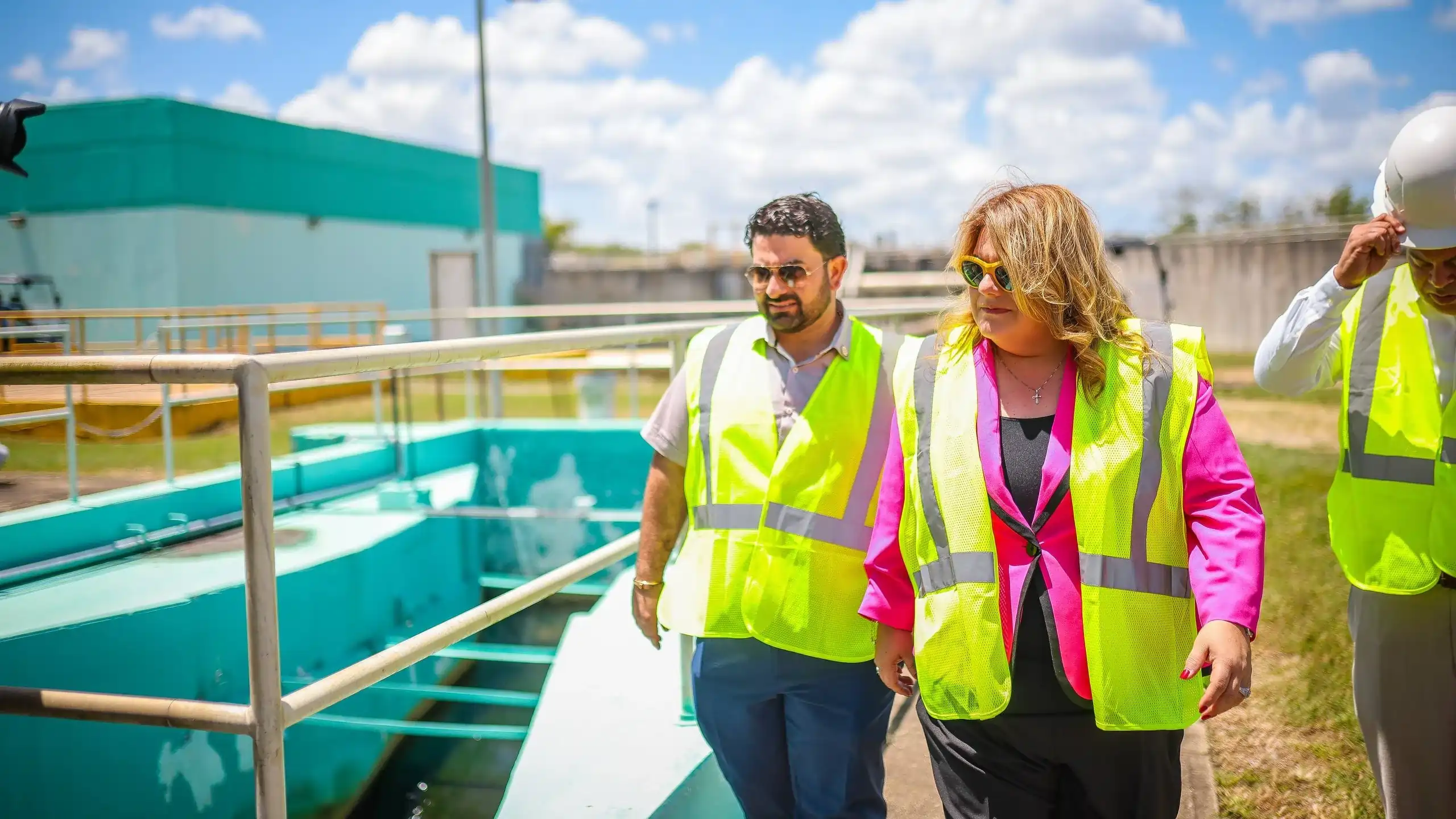
SAN JUAN, Puerto Rico – In a crucial step towards bolstering its long-beleaguered public services, Puerto Rico has committed $216 million to modernize its water treatment plants. While the initial announcement detailing this significant investment was made by the then-Governor, Wanda Vázquez Garced, the ongoing effort remains a cornerstone of the island's broader recovery agenda, now overseen by Governor Pedro Pierluisi's administration.
For residents across Puerto Rico and the vast diaspora in cities like New York, the reliability of essential infrastructure, particularly water, is not merely a convenience but a fundamental measure of stability and progress. The island's water systems, managed by the Puerto Rico Aqueduct and Sewer Authority (PRASA), have historically faced immense challenges, including an aging infrastructure, inadequate maintenance, and severe damage from successive natural disasters.
A System Under Strain: The Imperative for Modernization
Puerto Rico's water infrastructure has long been a source of frustration and public health concern. Decades of underinvestment left many plants operating with outdated technology, susceptible to frequent breakdowns, and struggling to meet modern environmental and safety standards. The devastation wrought by Hurricane Maria in 2017 exposed these vulnerabilities on a catastrophic scale, leaving millions without potable water for extended periods. More recently, Hurricane Fiona in 2022 again highlighted the system's fragility, causing widespread outages and boil water advisories.
The $216 million investment targets these critical weaknesses, aiming to upgrade essential components, replace obsolete machinery, and integrate more resilient technologies. This modernization is not just about fixing what's broken; it's about building a system capable of withstanding future climate events and providing consistent, high-quality water service to all of Puerto Rico's 3.2 million residents. Improved operational efficiency is also a key goal, which could lead to reduced water loss, lower energy consumption, and more sustainable long-term operations for PRASA.
The funding is expected to cover a range of improvements, from enhancing filtration and pumping systems to implementing advanced monitoring and control technologies. Such upgrades are vital for ensuring water quality, reducing the frequency and duration of service interruptions, and protecting public health by minimizing the risk of contamination.
Federal Support and Enduring Challenges
Much of the funding for these infrastructure projects on the island typically originates from federal sources, including the Federal Emergency Management Agency (FEMA) and Community Development Block Grant-Disaster Recovery (CDBG-DR) funds, allocated by the U.S. Department of Housing and Urban Development (HUD). These allocations are critical, given Puerto Rico's unique political status as an unincorporated territory of the United States, which often dictates a complex interplay of local governance and federal oversight in large-scale recovery efforts.
While the $216 million represents a significant injection of capital, it is part of a much larger, multi-billion-dollar need to fully overhaul Puerto Rico's public utilities. The island's energy grid, roads, and housing stock all require similar, extensive investments. The pace of federal funding disbursement has often been a point of contention, with critics citing bureaucratic delays and complex regulations as hindrances to swift recovery.
For the New York Puerto Rican community, these developments are keenly watched. Many New Yorkers have deep family ties to the island, and the prospect of reliable water and electricity directly impacts their ability to visit, support relatives, or even consider returning. The stability of the island's infrastructure is directly linked to its economic vitality and overall quality of life, which, in turn, influences migration patterns and the well-being of the diaspora.
Looking Ahead: Resilience and Rebuilding
The modernization of water plants is a tangible step towards building a more resilient Puerto Rico. It signifies a commitment to move beyond mere repair to strategic, forward-looking development. However, the path ahead remains long and complex. Sustained investment, transparent oversight, and robust maintenance protocols will be essential to ensure that these upgrades deliver lasting benefits.
As Puerto Rico continues its journey of rebuilding and recovery, each investment in critical infrastructure serves as a testament to the island's determination to overcome past adversities and secure a more stable future. For New Yorkers with a vested interest in the island, these efforts represent hope for a stronger, more self-sufficient Puerto Rico, where basic services are a given, not a luxury.
Related News
Speculators Flock to Puerto Rico, Sparking Hope & Concern
 Isabella Romero
June 10, 2026
Isabella Romero
June 10, 2026
Puerto Rico Senate Moves to Bolster Debtor Protections
Isabella Romero
June 4, 2026
Puerto Rico Transportation Agency Faces Engineer Shortage
Isabella Romero
June 1, 2026
Puerto Rico Housing Crisis Deepens as Home Prices Outpace Incomes
Isabella Romero
May 29, 2026