






Puerto Rico Bribery Case Shakes Island Government
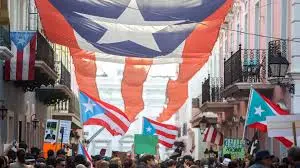
Puerto Rico's Bribery Investigation: Government Under the Microscope
An ongoing bribery investigation continues to destabilise Puerto Rico's political environment, with federal and local investigators examining financial records, communications, and government contracts linked to allegations of improper conduct involving politically connected individuals. The case has become a focal point of public debate about governance integrity and the effectiveness of oversight mechanisms designed to prevent corruption in public office.
The Legal Framework and Investigative Process
Federal bribery law under Title 18 of the United States Code prohibits public officials from accepting anything of value in exchange for official acts. Proving such charges requires investigators to establish a clear chain of evidence showing both the benefit provided and its direct link to specific actions taken by a public official. The investigative process typically involves forensic accounting, analysis of electronic communications, review of government procurement records, and interviews with cooperating witnesses. Puerto Rico's status as a US territory means federal prosecutors from the District of Puerto Rico work alongside FBI agents and other federal agencies in pursuing corruption cases. The island has its own Office of Government Ethics and Inspector General, which may also play a role in the investigation at the territorial level.
History of Corruption Cases and Reform Efforts
Puerto Rico has experienced a series of significant corruption convictions over the past two decades. Notable cases include former Governor Aníbal Acevedo Vilá, acquitted of all charges in 2008, and former Governor Wanda Vázquez, who pleaded guilty to a campaign finance violation before receiving a presidential pardon from President Trump in 2026. Municipal-level corruption convictions have also been numerous, involving mayors and local officials from multiple political parties. These cases have consistently generated public pressure for reform, leading to periodic legislative efforts to strengthen ethics laws, expand financial disclosure requirements, and increase the independence and resources available to oversight bodies. Whether the current investigation will produce similar reform momentum remains to be seen, but civic advocates are already calling for action.
Related News
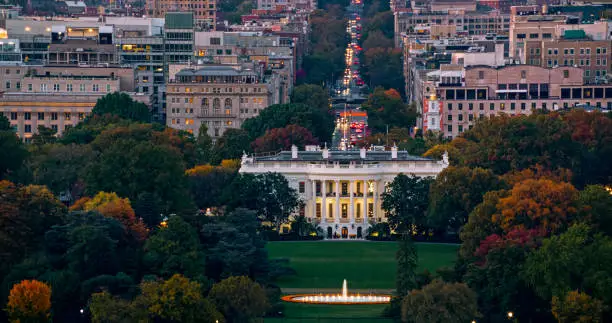
DC Scandal's Shadow: Puerto Rico & Federal Trust at Stake
 Ethan Calloway
June 10, 2026
Ethan Calloway
June 10, 2026
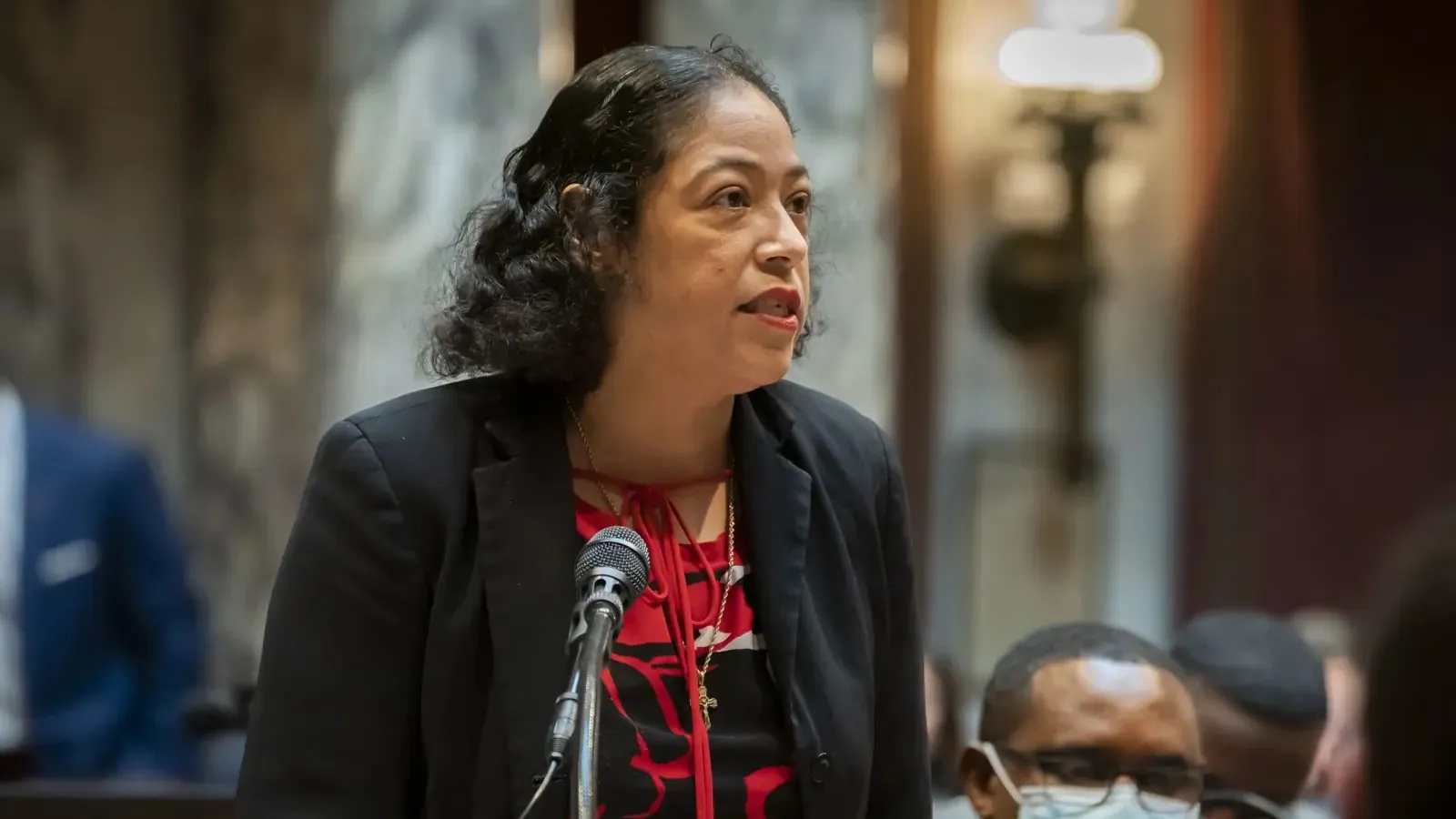
Milwaukee Taps Puerto Rican State Rep for 2026 Parade Honor
Ethan Calloway
June 8, 2026
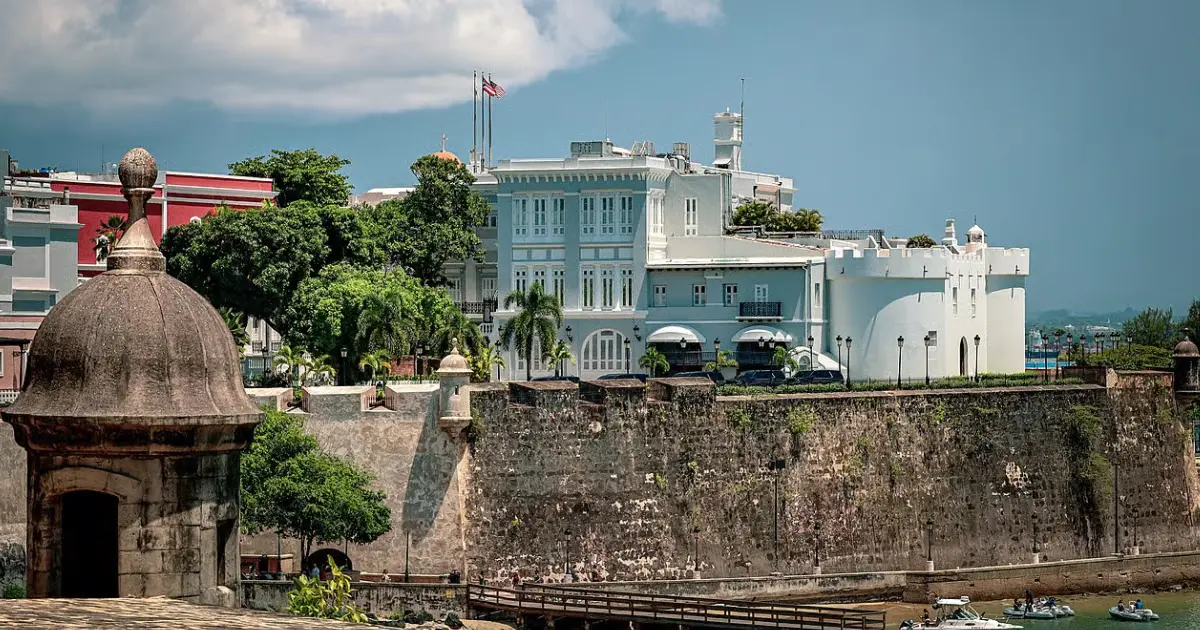
Puerto Rico's Governor Faces New Turmoil After Key…
Ethan Calloway
June 5, 2026
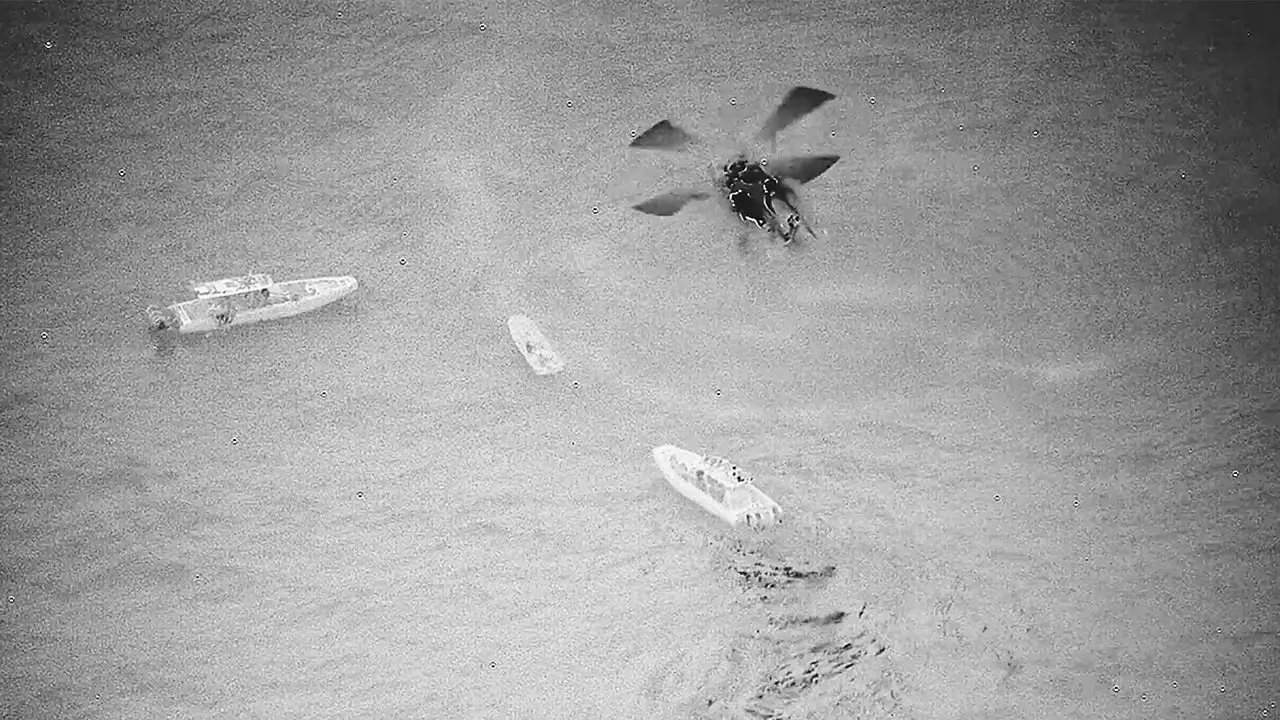
Puerto Rico Coast: Black Hawk Aids Major Cocaine Takedown
Ethan Calloway
June 2, 2026