






Puerto Rico Officials Fight Birthright Citizenship at SCOTUS
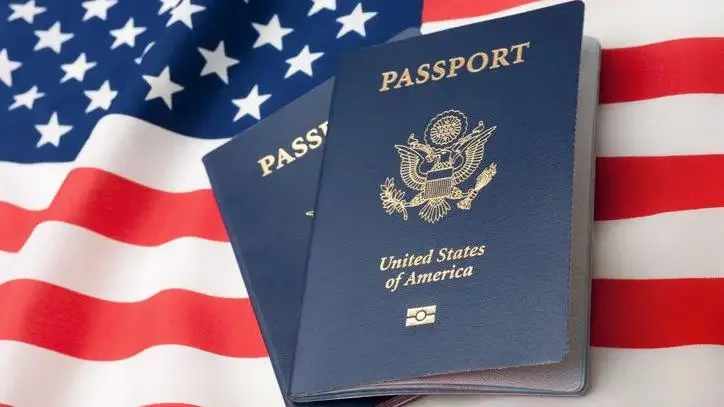
Territorial Officials Unite Before the Supreme Court on Birthright Citizenship
A coalition of 21 current and former elected officials and judges from all five United States territories — including Puerto Rico, the US Virgin Islands, Guam, the Northern Mariana Islands, and American Samoa — filed a formal legal brief with the US Supreme Court in February 2026 in the case of Trump v. Barbara, urging the court to affirm and strengthen constitutional protections for birthright citizenship in the territories. The Supreme Court heard oral arguments in the case on April 1, 2026, in a proceeding that drew broad legal and political attention as one of the most significant citizenship cases in decades.
The Constitutional Argument for Territorial Residents
Puerto Ricans hold US citizenship under the Jones-Shafroth Act of 1917, a statutory grant by Congress — not a direct constitutional guarantee rooted in the Fourteenth Amendment's citizenship clause in the way that mainland-born Americans enjoy citizenship. The brief filed by territorial officials argued that the Supreme Court has historically permitted the political branches to define and limit citizenship in the territories in ways that would be unconstitutional if applied to residents of US states, creating a two-tiered citizenship framework that leaves territorial residents in a constitutionally vulnerable position. "The Supreme Court has improperly allowed the political branches to redefine the Citizenship Clause to exclude people in the territories," the brief concluded, calling on the court to reassert full constitutional protections.
Statehood as the Permanent Solution
Puerto Rico's statehood movement has consistently argued that the birthright citizenship litigation demonstrates precisely why only full statehood can permanently secure the constitutional rights of Puerto Ricans. Statutory citizenship — granted by Congress — can theoretically be altered or revoked by subsequent Congressional action in ways that constitutionally grounded citizenship cannot. The case has broader implications for all US territorial residents, potentially reshaping the legal framework governing citizenship rights across all five territories and affecting millions of American citizens.
Related News
Puerto Rico's Governor Faces New Turmoil After Key…
 Ethan Calloway
June 5, 2026
Ethan Calloway
June 5, 2026
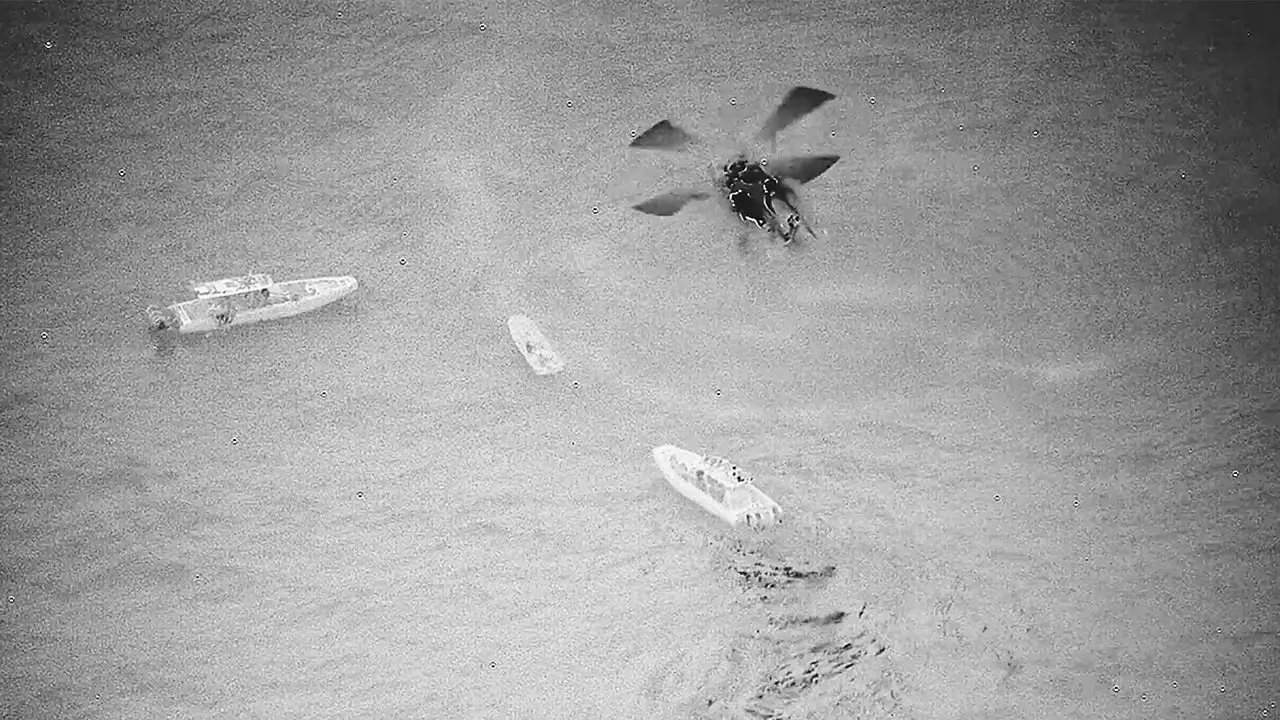
Puerto Rico Coast: Black Hawk Aids Major Cocaine Takedown
Ethan Calloway
June 2, 2026
Puerto Rico Economy Chief Resigns Amid Crisis
Ethan Calloway
May 27, 2026
Puerto Rico Governor Sets State of the State Date
Ethan Calloway
May 19, 2026