





Senate Scrutinizes Puerto Rico's Future & Federal Ties
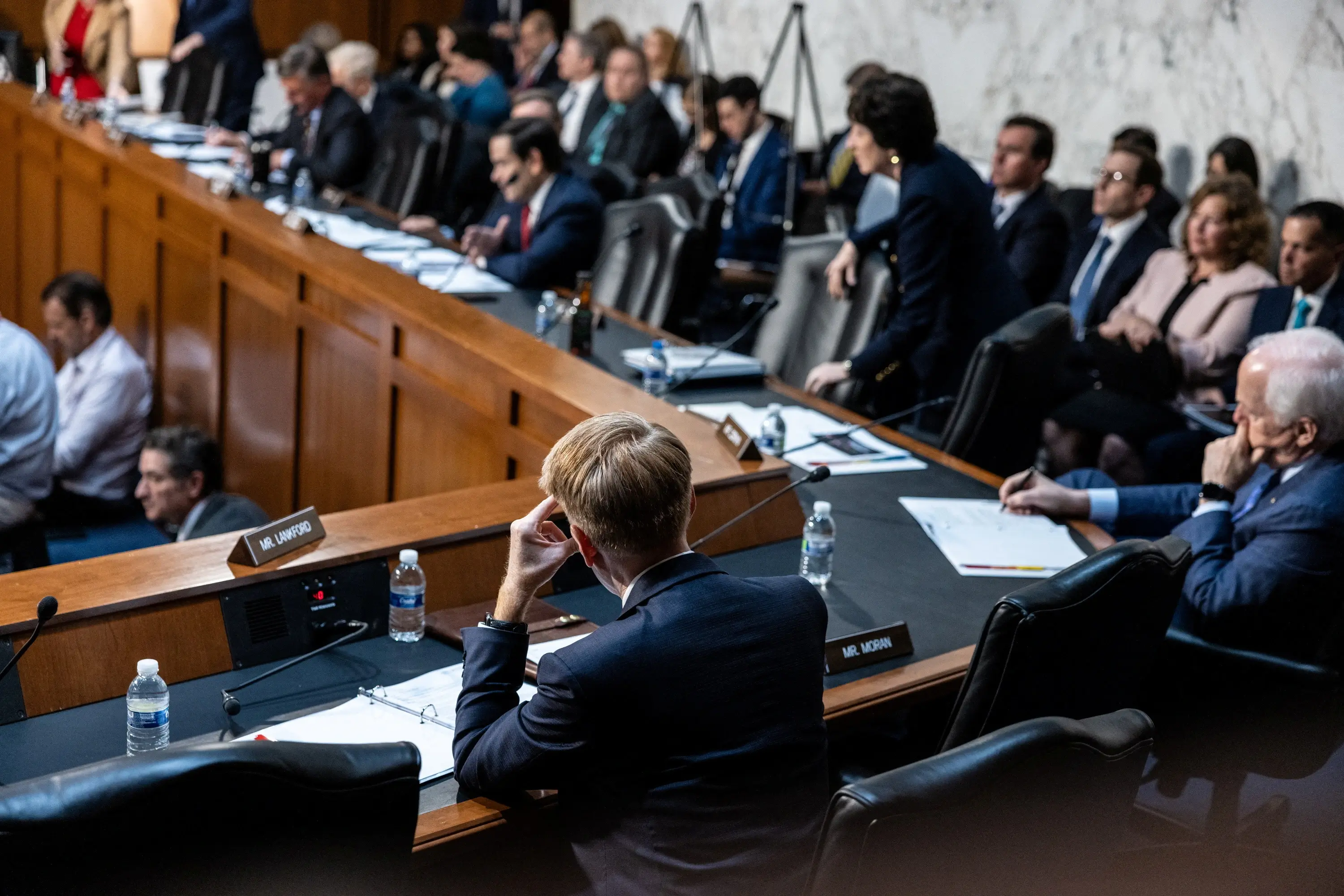
WASHINGTON D.C. – A U.S. Senate committee recently turned its attention to Puerto Rico, initiating a comprehensive discussion on the island’s multifaceted challenges, its long-term recovery efforts, and the enduring complexities of its unique political status. The session, a recurring but always significant event in Washington, underscored the critical juncture at which the unincorporated U.S. territory finds itself, grappling with economic fragility, infrastructure vulnerabilities, and a persistent debate over its fundamental relationship with the United States.
For millions of Puerto Ricans on the island and the robust diaspora across the mainland, particularly in New York City, these congressional discussions are not mere political theater but direct reflections of their collective future. The hearings serve as a crucial barometer for federal commitment, policy direction, and the potential for legislative action that could profoundly impact daily life, economic opportunity, and the very identity of the Puerto Rican people.
Understanding Puerto Rico's Unique Position
Puerto Rico’s status as an unincorporated territory means its 3.2 million residents are U.S. citizens but lack full voting representation in Congress and cannot vote for president. This arrangement, established over a century ago following the Spanish-American War, places the island in a perpetual state of limbo, subject to federal laws and policies without having an equal voice in their creation. This inherent imbalance often complicates recovery efforts, economic development, and the pursuit of self-determination.
The Senate committee’s focus encompassed a broad spectrum of issues, reflecting the interconnected nature of Puerto Rico’s struggles. Central to the discussion was the island’s ongoing economic recovery, still reeling from a devastating debt crisis that led to the creation of the federally appointed Fiscal Oversight and Management Board (FOMB) under the PROMESA act in 2016. While the FOMB has overseen a restructuring of much of the island's crippling debt, questions persist regarding its long-term impact on local governance, essential services, and the potential for sustainable economic growth.
Witnesses, including federal officials, Puerto Rican government representatives, and economic experts, likely presented varying perspectives on the effectiveness of current policies. Discussion points would inevitably include the pace of federal aid distribution following Hurricanes Maria (2017) and Fiona (2022), as well as a series of damaging earthquakes. The slow disbursement of funds and bureaucratic hurdles have been a consistent source of frustration for island residents, many of whom are still rebuilding years after these catastrophic events.
Infrastructure, Healthcare, and the Diaspora's Voice
A significant portion of the committee’s deliberations would have undoubtedly centered on infrastructure resilience, particularly the island’s notoriously fragile power grid. Years of neglect and a lack of investment have left the grid vulnerable to even minor weather events, leading to widespread and prolonged blackouts that cripple businesses, endanger vulnerable populations, and drive out residents seeking stability elsewhere. The push towards renewable energy and grid modernization, championed by many on the island, remains a slow and costly endeavor, heavily reliant on federal support and private investment.
Healthcare funding disparities also loom large in these discussions. Despite being U.S. citizens, Puerto Ricans receive significantly less federal Medicaid funding compared to states, creating a chronic underfunding crisis that impacts access to care and the quality of health services. Advocates for equitable treatment argue that these disparities are not only unfair but contribute to the island's brain drain, as medical professionals seek opportunities on the mainland.
The political status debate, a foundational issue for Puerto Rico, invariably surfaces in such hearings. While the Senate committee may not have been tasked with resolving the status question directly, discussions about the island's future naturally lead to renewed calls for either statehood, independence, or an enhanced commonwealth status. Each option carries passionate advocates and detractors, both on the island and within the diaspora. New York, home to one of the largest Puerto Rican populations outside the island, plays a vital role in this advocacy, with community leaders and elected officials consistently lobbying for federal attention and a definitive resolution to the island's colonial status.
Looking Ahead: A Path Forward?
The Senate committee's focus serves as a stark reminder of the complex, often intractable issues facing Puerto Rico. While these hearings provide a platform for dialogue and oversight, the path to long-term stability and self-determination remains arduous. The island’s future hinges not only on federal policy decisions but also on its own resilience, innovation, and the sustained advocacy of its people.
As discussions continue in Washington, the Puerto Rican community, from San Juan to the Bronx, watches intently, hopeful that these renewed congressional efforts will translate into meaningful, tangible progress towards a more prosperous and equitable future for the archipelago.
Related News
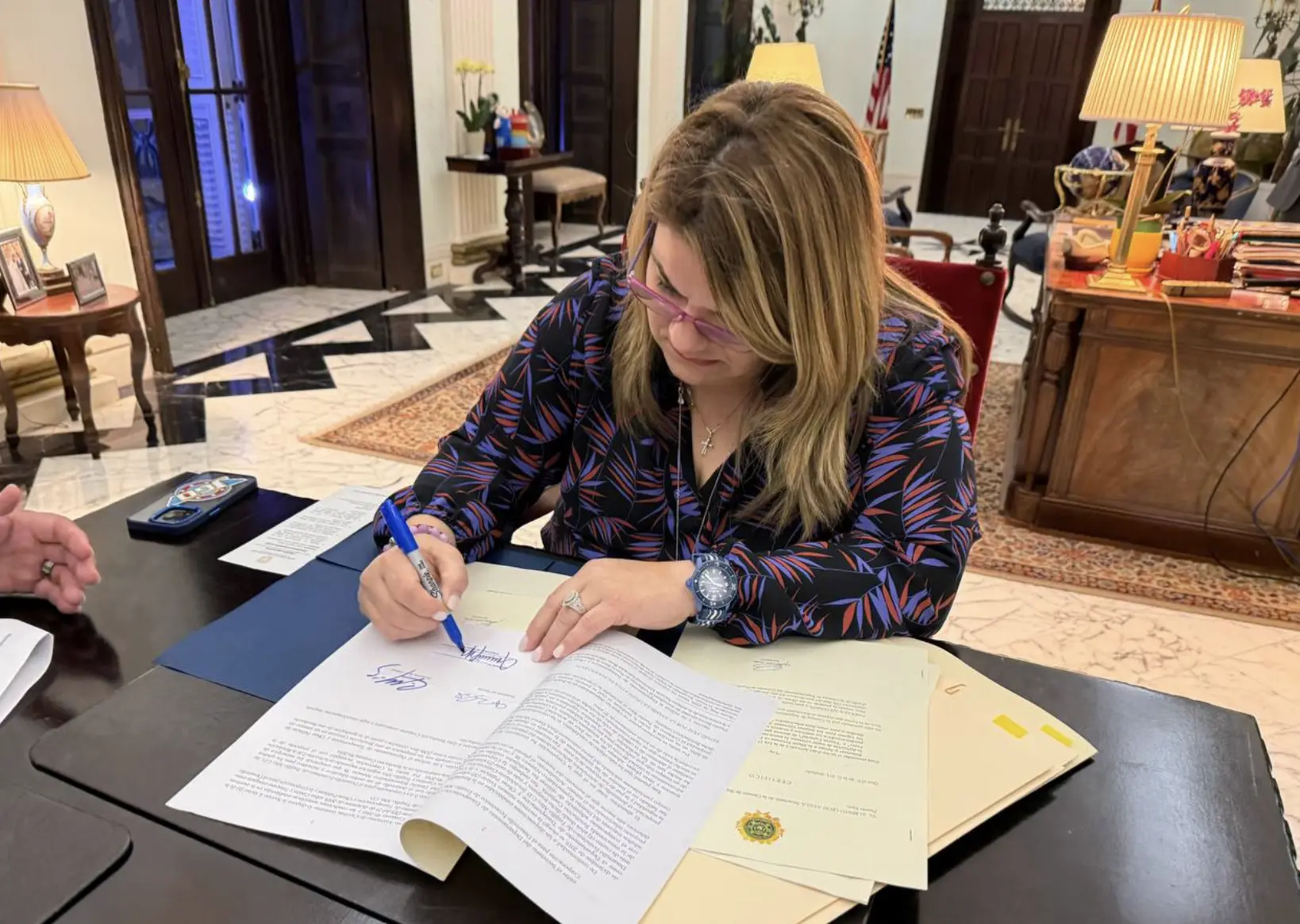
Puerto Rico Empowers Citizens in Fight Against Animal Abuse
 Ethan Calloway
June 19, 2026
Ethan Calloway
June 19, 2026
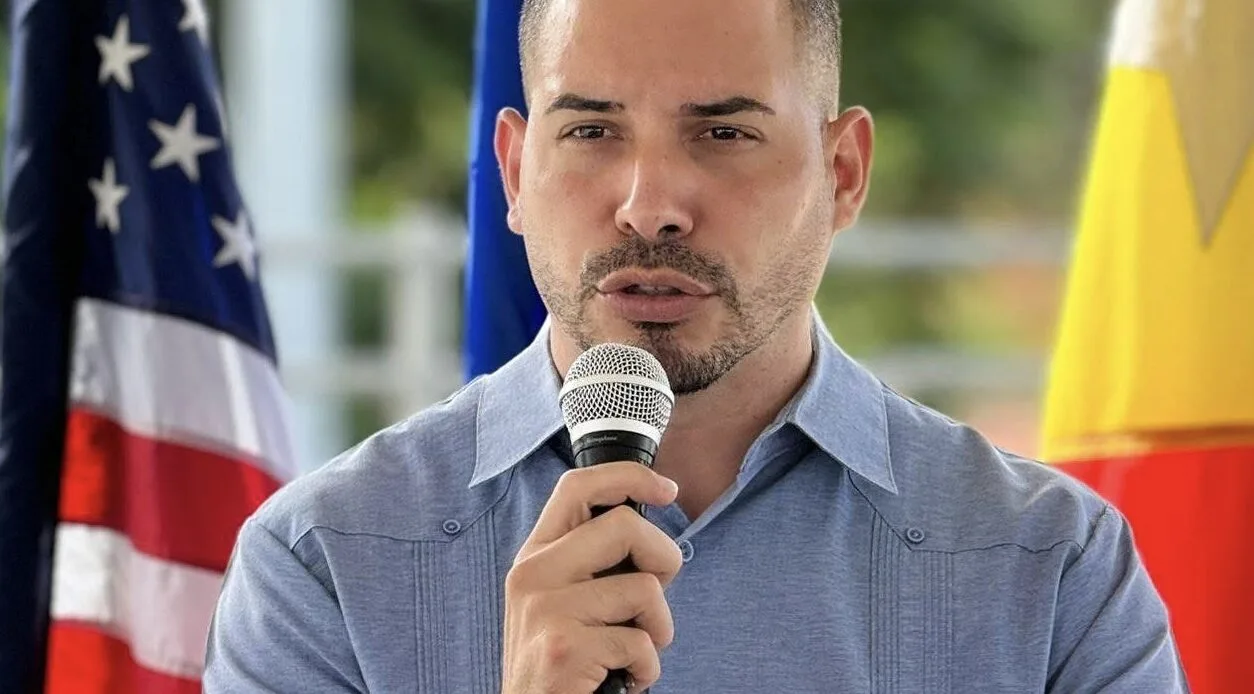
Aguada Mayor Denied Sports Court Funds by Oversight Board
Ethan Calloway
June 12, 2026
DC Scandal's Shadow: Puerto Rico & Federal Trust at Stake
Ethan Calloway
June 10, 2026
Milwaukee Taps Puerto Rican State Rep for 2026 Parade Honor
Ethan Calloway
June 8, 2026