





Power Grid Battle: LUMA Countersues Puerto Rico Government
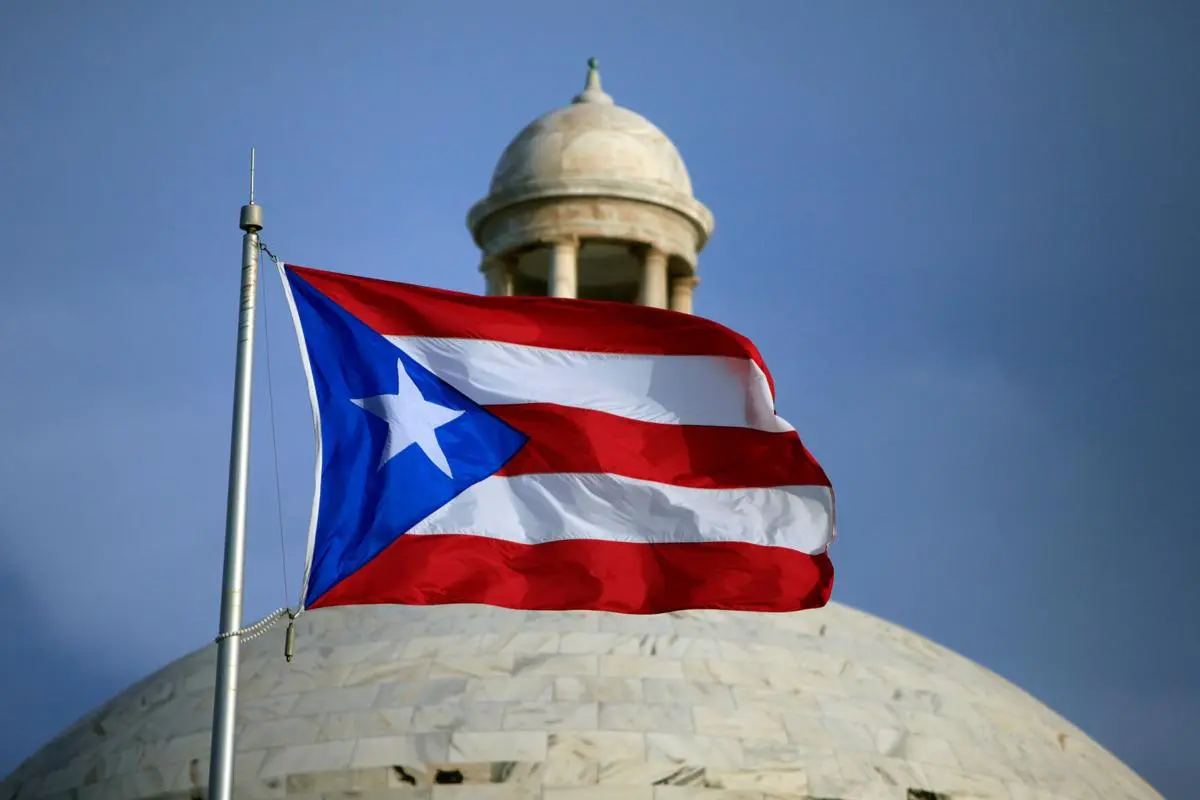
SAN JUAN, PR – The already embattled energy landscape of Puerto Rico has been further complicated by a significant legal development: LUMA Energy, the private operator of the island’s electricity transmission and distribution system, has filed a countersuit against the government of Puerto Rico. This move escalates the ongoing contractual and operational disputes, casting a longer shadow over the island’s struggle to achieve a stable and reliable power grid.
LUMA Energy, a consortium of Canadian and American companies, took over the management of Puerto Rico’s grid in June 2021 under a 15-year contract with the Puerto Rico Electric Power Authority (PREPA) and the Public-Private Partnerships Authority (P3A). The agreement, championed as a path to modernize the island’s dilapidated infrastructure, has been met with widespread public dissatisfaction due to persistent power outages, rate hikes, and what many perceive as a lack of transparency and accountability.
Deepening Legal Entanglements
While the specifics of LUMA’s countersuit have not been fully detailed, such legal actions typically arise when a party believes the other has breached contractual obligations, failed to meet commitments, or is responsible for damages. This countersuit likely comes in response to existing or anticipated legal challenges from the Puerto Rico government or its agencies, which have themselves faced immense pressure from a frustrated populace and political factions demanding better performance from LUMA.
The relationship between LUMA and the Puerto Rico government has been fraught with tension. The government, through its various agencies, has previously expressed concerns over LUMA’s performance, particularly in restoring power after major outages and in managing its operational budget. The FOMB (Financial Oversight and Management Board for Puerto Rico), established under the federal PROMESA law, also plays a crucial role, often weighing in on contractual matters and fiscal responsibility.
For residents of Puerto Rico, the news of a countersuit is likely to be met with a mix of frustration and resignation. The island has endured years of energy instability, exacerbated by Hurricane Maria in 2017, which decimated the grid, and subsequent seismic activity. The promise of a modernized, resilient grid under LUMA has largely remained unfulfilled in the public’s eye, leading to frequent protests and calls for the contract’s termination.
Context of Puerto Rico's Energy Crisis
Puerto Rico’s energy woes are deeply intertwined with its unique political status as a U.S. commonwealth and its ongoing fiscal crisis. PREPA, once the largest public utility in the U.S., declared bankruptcy in 2017, burdened by billions in debt and decades of underinvestment. The decision to privatize the transmission and distribution arm through LUMA was seen by some as a necessary step to attract private capital and expertise, while others viewed it as an abandonment of public responsibility and a concession to external financial interests.
The island’s energy grid relies heavily on aging infrastructure and imported fossil fuels, making it vulnerable to price fluctuations and environmental impacts. Efforts to transition to renewable energy sources have been slow, further complicating the path to energy independence and reliability. Every major power outage – whether due to equipment failure, weather events, or operational issues – not only disrupts daily life but also severely impacts businesses, healthcare, and educational institutions, hindering the island's economic recovery.
Implications for the Future
This latest legal battle introduces another layer of uncertainty into Puerto Rico’s energy future. A prolonged court fight could divert critical resources, delay much-needed infrastructure upgrades, and further erode public trust in both LUMA and the government. It also raises questions about the long-term viability of the LUMA contract and the broader strategy for energy reform on the island.
For the Puerto Rican diaspora in New York and across the U.S., who often maintain strong ties to the island, these developments are a source of constant concern. Many have family members directly affected by the unreliable power, and they closely follow the political and economic challenges facing their homeland. The outcome of this legal dispute will have significant ramifications, not just for the contractual parties involved, but for every resident and business on the island.
As the legal proceedings unfold, all eyes will be on the courts and the negotiating tables. The resolution of this countersuit, alongside other ongoing challenges, will be critical in determining whether Puerto Rico can finally build the resilient, affordable, and reliable energy system it so desperately needs to power its future.
Related News
Senate Scrutinizes Puerto Rico's Future & Federal Ties
 Ethan Calloway
June 23, 2026
Ethan Calloway
June 23, 2026
Puerto Rico Empowers Citizens in Fight Against Animal Abuse
Ethan Calloway
June 19, 2026
Aguada Mayor Denied Sports Court Funds by Oversight Board
Ethan Calloway
June 12, 2026
DC Scandal's Shadow: Puerto Rico & Federal Trust at Stake
Ethan Calloway
June 10, 2026