






Trump Iran Strike Threats Ignite International Law Debate
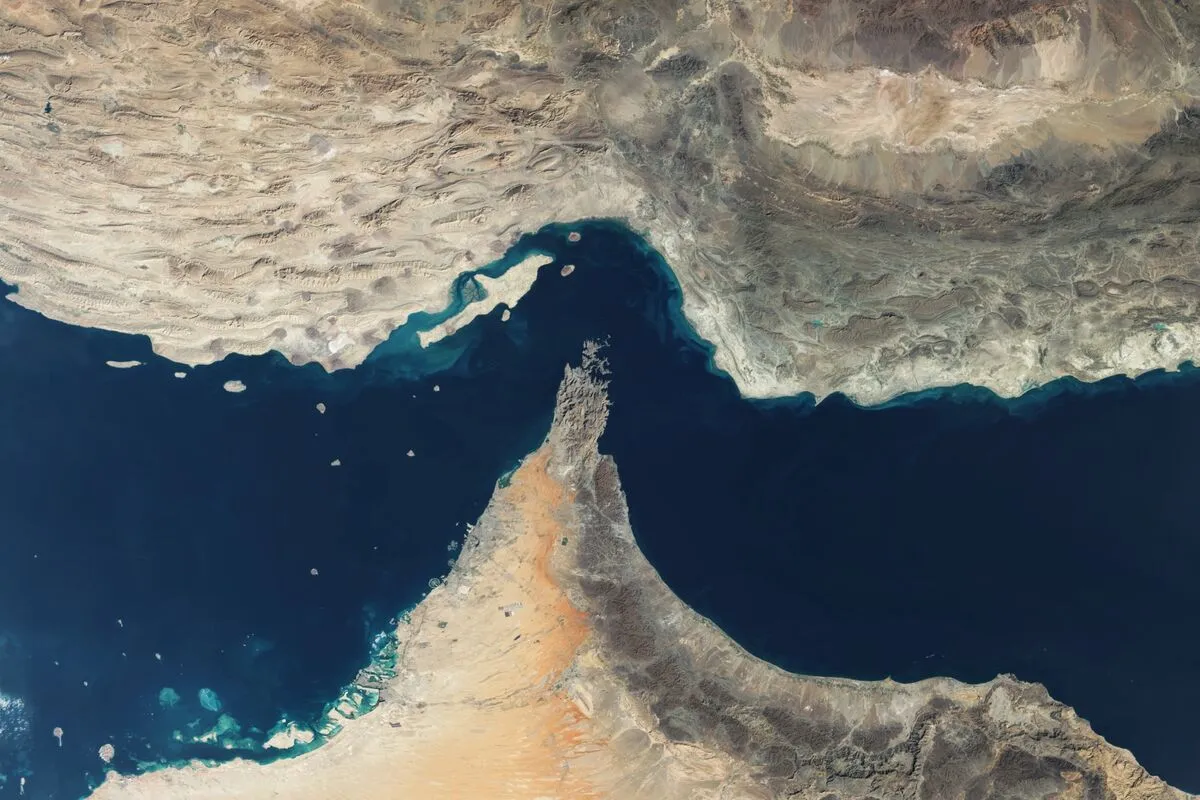
Trump's Threats Against Iranian Infrastructure Spark Legal Debate
President Donald Trump's warnings that the United States could destroy Iran's bridges, power plants, and other critical infrastructure during escalating tensions in 2026 drew immediate and serious concern from military law experts and international legal scholars. The sweeping nature of the threats raised questions about compliance with the laws of armed conflict as codified in the Geneva Conventions and their Additional Protocols, which prohibit attacks on civilian objects and require that attacks meet the standards of military necessity, distinction, and proportionality.
International Humanitarian Law Standards
Under international humanitarian law, civilian infrastructure such as power plants and bridges may only be lawfully targeted if they provide a definitive military advantage and if the anticipated civilian harm is not excessive relative to that advantage. United Nations officials warned that deliberately destroying power infrastructure could have catastrophic consequences for hospitals, water treatment facilities, and civilian populations entirely unconnected to any military operations. Attacks that are designed to deprive civilian populations of essential services are considered violations of the laws of armed conflict regardless of the stated military rationale.
Political Divisions and Global Reaction
The Trump administration's position divided US political opinion sharply. Some Republican lawmakers argued that Iranian infrastructure could constitute legitimate military targets given its dual-use potential, while Democratic leaders contended that the proposed actions would clearly violate established international law. Legal analysts noted that accountability for such actions is exceptionally complex, as neither the United States nor Iran is a signatory to all relevant international legal instruments, and enforcement of international humanitarian law relies heavily on political will rather than automatic legal mechanisms. The controversy unfolded against a backdrop of disruptions in the Strait of Hormuz affecting global oil markets, significantly raising the economic stakes of any further military escalation between the two countries.
Related News
Puerto Rico's Governor Faces New Turmoil After Key…
 Ethan Calloway
June 5, 2026
Ethan Calloway
June 5, 2026
Puerto Rico Coast: Black Hawk Aids Major Cocaine Takedown
Ethan Calloway
June 2, 2026
Puerto Rico Economy Chief Resigns Amid Crisis
Ethan Calloway
May 27, 2026
Puerto Rico Governor Sets State of the State Date
Ethan Calloway
May 19, 2026